
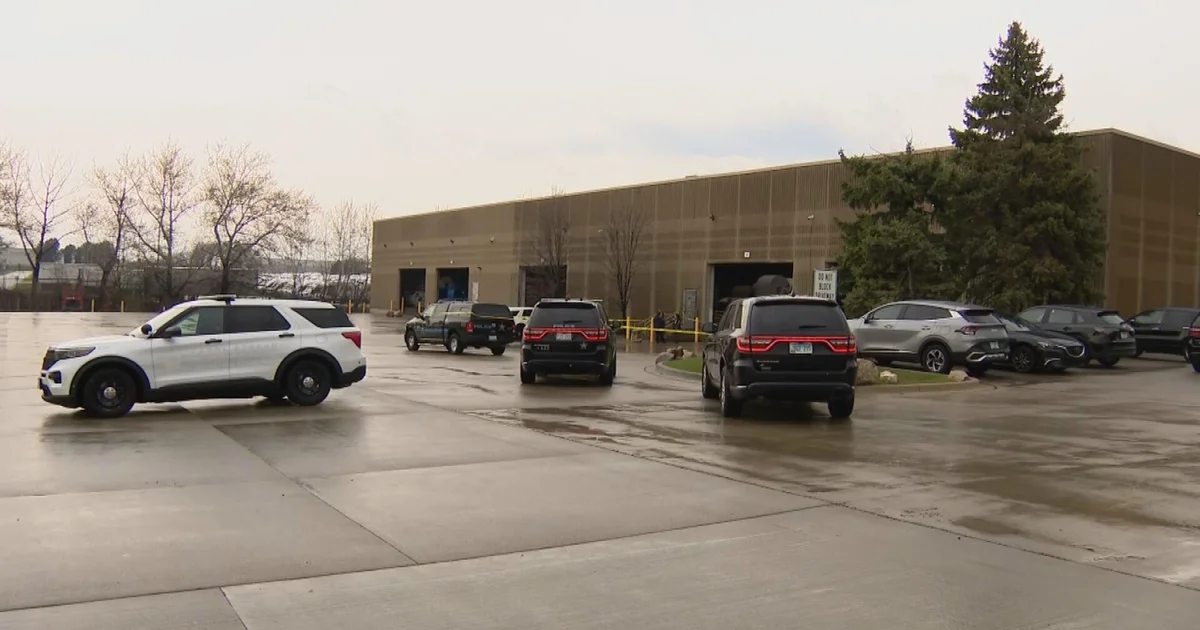
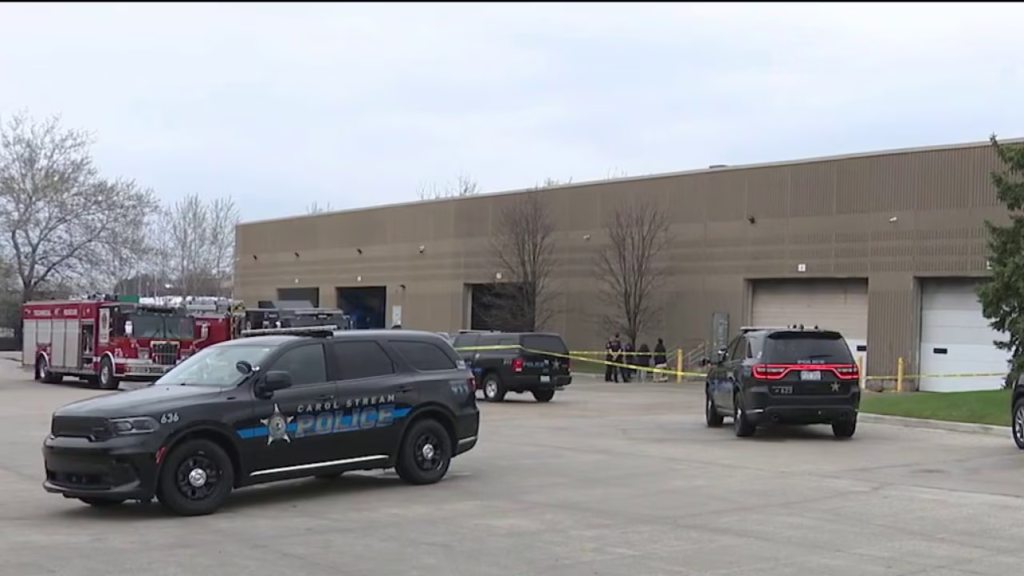
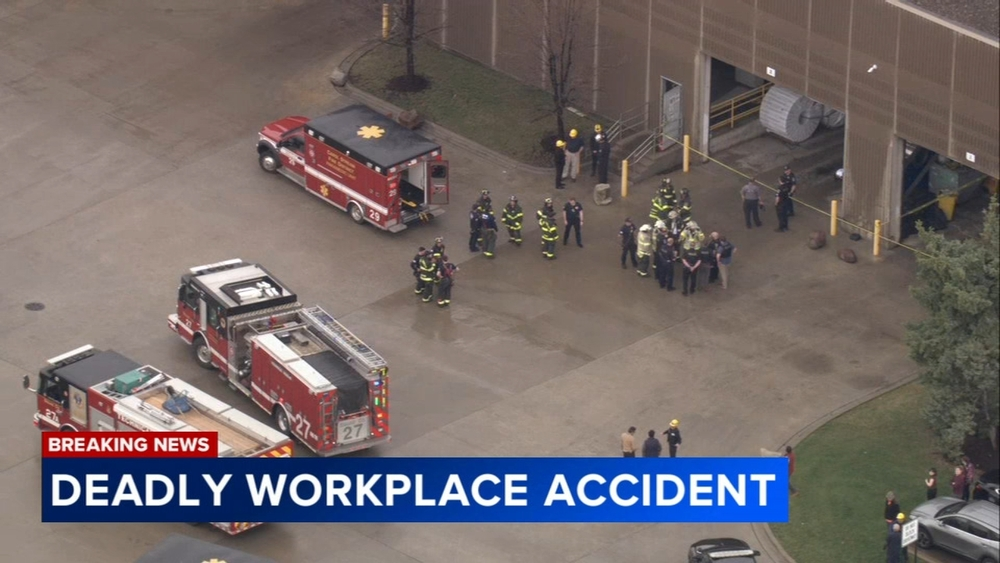
A fatal workplace accident at a manufacturing facility in Carol Stream, Illinois, has drawn attention to the persistent risks associated with heavy industrial operations. The incident occurred on a Tuesday afternoon at a stainless steel and aluminum factory, where a 55-year-old employee lost his life after being struck by a falling metal spool during a crane operation. Emergency responders arrived promptly, but the victim was pronounced dead at the scene.
Authorities have indicated that the incident does not appear to involve criminal activity, and multiple agencies have initiated investigations to determine the exact cause and contributing factors. The tragedy highlights the dangers inherent in industrial environments where large-scale equipment and materials are routinely handled, and it underscores the importance of strict adherence to safety protocols.
Details of the Workplace Incident
According to preliminary reports, the accident took place at Carol Stream factory located on St. Paul Boulevard, where the victim was engaged in loading a large aluminum spool onto a flatbed truck. The task involved the use of an overhead crane, a common piece of equipment in industrial facilities designed to lift and transport heavy materials. During the operation, the crane reportedly failed, causing the spool to fall from an elevated position. The falling object struck the employee, trapping him beneath its weight.
Emergency services, including police officers and fire department paramedics, were dispatched shortly after noon in response to reports of a worker trapped under heavy machinery. Upon arrival, responders found the victim unresponsive and declared him deceased at the scene. The identity of the employee has not been released pending notification of family members.
Initial assessments suggest that the incident was accidental in nature. However, the exact sequence of events leading to the crane failure remains under investigation. Authorities are working to determine whether mechanical malfunction, human error, or procedural lapses played a role in the fatal accident. The involvement of multiple investigative bodies indicates the seriousness of the incident and the need for a comprehensive review.
Investigations and Safety Oversight
Following the accident, several agencies launched investigations to assess the circumstances surrounding the fatality. Local law enforcement and the county coroner’s office began their inquiries immediately, focusing on documenting the scene and establishing the cause of death. In addition, federal workplace safety regulators initiated their own investigation to evaluate compliance with safety standards and regulations.
Such investigations typically involve a detailed examination of equipment maintenance records, operator training, and adherence to established safety protocols. Inspectors may also review whether proper safeguards were in place to prevent the movement or collapse of heavy loads during crane operations. Witness statements and surveillance footage, if available, are often used to reconstruct the events leading up to the incident.
Workplace safety authorities play a critical role in identifying hazards and enforcing regulations designed to protect employees. In cases involving heavy machinery, investigators pay close attention to whether the equipment was functioning correctly and whether operators followed appropriate procedures. Any violations identified during the investigation can result in penalties, mandated corrective actions, or both.
Read : Majestic Marvel: Exploring the Beauty of Ha Long Bay, Vietnam
The findings from such investigations are not only important for accountability but also for preventing similar incidents in the future. By identifying root causes and contributing factors, authorities can recommend improvements to safety practices, equipment design, and training programs. These measures aim to reduce the likelihood of accidents in high-risk environments like manufacturing facilities.
Risks and Safety Measures in Industrial Workplaces
Industrial settings that involve the handling of heavy materials present a range of hazards, particularly when cranes and lifting equipment are used. Overhead cranes are essential for moving large loads efficiently, but they also pose significant risks if not operated and maintained properly. Failures can occur due to mechanical defects, improper rigging, overloading, or inadequate inspection routines.
One of the primary risks in such environments is the potential for falling objects. When loads are suspended at height, any failure in the lifting system can result in catastrophic consequences. Workers in the vicinity of crane operations must remain vigilant and maintain safe distances whenever possible. Clear communication between operators and ground personnel is also essential to ensure that everyone is aware of ongoing movements and potential hazards.
Regular maintenance and inspection of equipment are fundamental components of workplace safety. Cranes must be routinely checked for signs of wear, structural damage, and mechanical issues. Components such as cables, hooks, and control systems require careful monitoring to ensure they function as intended. Failure to address maintenance needs can significantly increase the risk of accidents. Training is another critical factor in preventing workplace incidents.
Employees who operate cranes or work near heavy machinery must receive comprehensive instruction on safe operating procedures, hazard recognition, and emergency response. Proper training helps workers understand the limitations of equipment and the importance of following established guidelines. In addition to training and maintenance, safety protocols must be strictly enforced. This includes the use of protective barriers, warning signals, and designated work zones to minimize exposure to hazards.
Employers are responsible for creating a safety culture that prioritizes the well-being of workers and encourages adherence to best practices. The tragic incident in Carol Stream serves as a stark reminder of the potential dangers associated with industrial work. While such environments are essential to manufacturing and economic activity, they require constant vigilance and commitment to safety. Each accident underscores the need for ongoing improvements in equipment design, operational procedures, and regulatory oversight.
As investigations continue, the findings will likely contribute to a broader understanding of how similar incidents can be prevented. The loss of life in this case highlights the human cost of workplace accidents and reinforces the importance of maintaining the highest possible safety standards in all industrial operations.