

In a tragic turn of events, a 30-year-old man named Amir Pathan from Maharashtra’s Latur district Dies by Suicide after Being Publicly Called Pakistani.
The incident, which unfolded on the night of May 3, has sent shockwaves through the local community, and the ensuing investigation has raised questions about the role of social media, the psychological toll of public humiliation, and the responsibility of law enforcement in addressing such incidents.
Dies by Suicide after Being Publicly Called Pakistani
The night of May 3 was supposed to be like any other for Amir Pathan, who was traveling in the city of Latur when a road rage incident unfolded. Pathan, who was not expecting any confrontation, found himself in a heated altercation with a motorist.
The assailant, later identified as a local journalist, allegedly started the altercation by questioning Pathan’s nationality, calling him a “Pakistani.” The accused’s taunts were not only offensive but also deeply personal, as they seemed to target Pathan based on his ethnicity or appearance.
What made this encounter even more disturbing was the fact that the assault was filmed by the perpetrator. In an era where videos can go viral within minutes, this threat of public humiliation loomed large over Pathan’s psyche. The accused allegedly threatened to upload the video to social media, further adding to Pathan’s distress.
The confrontation took place near Sanvidhan Chowk, and while Pathan’s wife, Samrin, was on a phone call with her husband during the altercation, she could hear his cries for help. According to Samrin’s statement, she rushed to the location as soon as she could, but by the time she arrived, the assailant had already fled the scene.
Read : Pakistani Journalists Abuses At Each Other During Press Conference of Salman Akram Raja: Watch
However, Samrin was able to note the registration number of the assailant’s car, MH24 BR 7008, which would later become a key piece of evidence in the investigation.
Read : 12 Pakistani Army Soldiers Killed in Taliban-linked Suicide Bomber Storm in Bannu
The assault was not merely physical but also psychological. Pathan, in a vulnerable state, was left to grapple with the fear of being publicly shamed, as the prospect of the video surfacing on social media haunted him. Samrin later recounted that her husband kept checking the internet the following day to see if the video had been uploaded.
The Aftermath: A Desperate Cry for Help
In the days following the assault, Pathan became increasingly withdrawn, unable to shake off the trauma he had experienced. On May 4, as his family prepared for a wedding, Amir chose to stay behind. His family had no idea that this would be the last time they would see him alive. When they returned, they found him hanging by a dupatta at their home.
The tragic incident has left the family shattered, and the community in Latur is grappling with the loss of a young man who had been deeply affected by the events leading up to his death.
Samrin, his wife, has been vocal about her belief that the harassment he suffered contributed to his drastic decision. In her statement to the police, she highlighted how the public insult, coupled with the fear of humiliation, pushed her husband to take his own life.

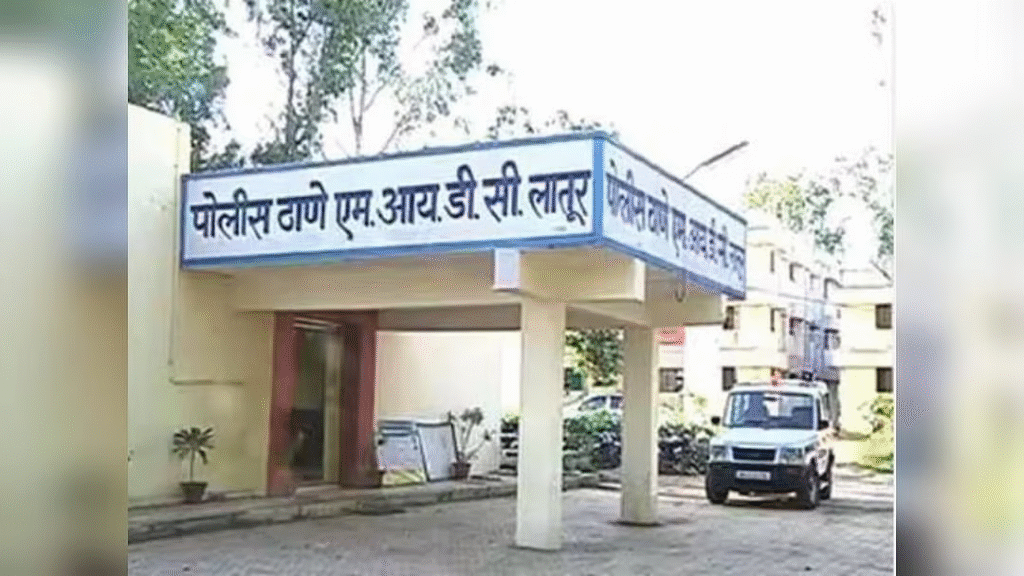
The police were alerted to the incident, and a case of abetment to suicide was registered on May 5, based on Samrin’s complaint. However, despite providing the car number and the name of the alleged perpetrator, the police filed the case against an “unknown person.” This has led to frustration and anger among the Pathan family, with Amir’s father, Attaullah Pathan, expressing his dissatisfaction with the investigation’s progress.
The case has garnered widespread attention due to its sensitive nature, and many people are questioning the psychological impact that such public confrontations can have on individuals, especially when they are filmed and circulated online. Mental health experts have pointed out that the fear of public ridicule, especially in the context of social media, can have devastating effects on a person’s emotional well-being.
The Mental Health Impact of Public Humiliation
The tragic death of Amir Pathan raises important questions about the psychological effects of public humiliation and online harassment. In a world where everyone has access to smartphones and social media platforms, incidents like this are becoming more common. The fear of being exposed or shamed in public can drive individuals to take extreme actions, as seen in this case.
Pathan’s mental state before his death highlights the need for more awareness and support systems around mental health, particularly when it comes to the impact of online and public humiliation.
While road rage incidents themselves can be traumatic, the addition of a public insult and the threat of a viral video amplified the distress for Pathan. This incident serves as a stark reminder that people’s mental health is fragile, and the pressures of social media can exacerbate existing vulnerabilities.
In recent years, several high-profile cases of suicides linked to cyberbullying and online harassment have raised alarm bells. The rise of “cancel culture” and the ease with which harmful content spreads online have created a toxic environment for some individuals, particularly young people. The case of Amir Pathan is a chilling example of how a single moment of cruelty can spiral into irreversible consequences.
The involvement of a journalist in this incident also raises ethical questions about the responsibility of media professionals. Journalists are meant to uphold a standard of conduct, reporting facts impartially and avoiding personal bias or prejudice.
Yet in this case, the accused not only participated in a public assault but also recorded and threatened to distribute the footage for personal gain. This highlights a deeper issue within the media industry about the role of journalists in shaping public discourse and the potential for harm when ethical boundaries are crossed.
The Investigation: Seeking Justice for Amir Pathan
As of now, the police investigation is ongoing, with efforts being made to trace the whereabouts of the accused journalist. Despite the strong evidence provided by the Pathan family, including the car registration number, the police have yet to make an arrest. This delay has caused further distress for Amir’s family, who are seeking justice for their loved one’s untimely death.
Latur SP Somay Munde confirmed that no suicide note was found at the scene, but the police have filed a case of abetment to suicide based on the victim’s wife’s statement. The investigation is in its early stages, but there is a clear sense of urgency in ensuring that the accused is brought to justice.

This case underscores the need for law enforcement to take cyberbullying and public humiliation seriously. While physical assaults can be easily recognized and punished, the emotional and psychological harm caused by public ridicule and online threats often goes unnoticed. It is crucial that the legal system adapts to address these modern-day issues, offering support to victims and holding perpetrators accountable for their actions.
The death of Amir Pathan is a heartbreaking reminder of the power of words and the potential consequences of public humiliation. While road rage incidents are not uncommon, the combination of physical assault, racial slurs, and the threat of online exposure created a perfect storm of psychological trauma for Pathan.
There is an urgent need to foster a culture of empathy and respect, both in real life and online. Social media platforms, in particular, must do more to combat cyberbullying and prevent the spread of harmful content that can ruin lives. Schools, workplaces, and communities must also play a role in raising awareness about mental health and providing support for those who are struggling.
It is also vital for media outlets and journalists to recognize their responsibility in shaping public opinion and fostering a positive environment. The actions of the accused journalist have shown how the media can sometimes perpetuate harmful stereotypes and contribute to the stigmatization of individuals.
The tragic loss of Amir Pathan has sparked a much-needed conversation about mental health, online harassment, and the responsibility of individuals and institutions to prevent such tragedies in the future. As the investigation continues, the Pathan family hopes for justice, and the rest of society must learn from this painful incident to ensure that no one else suffers in silence.