
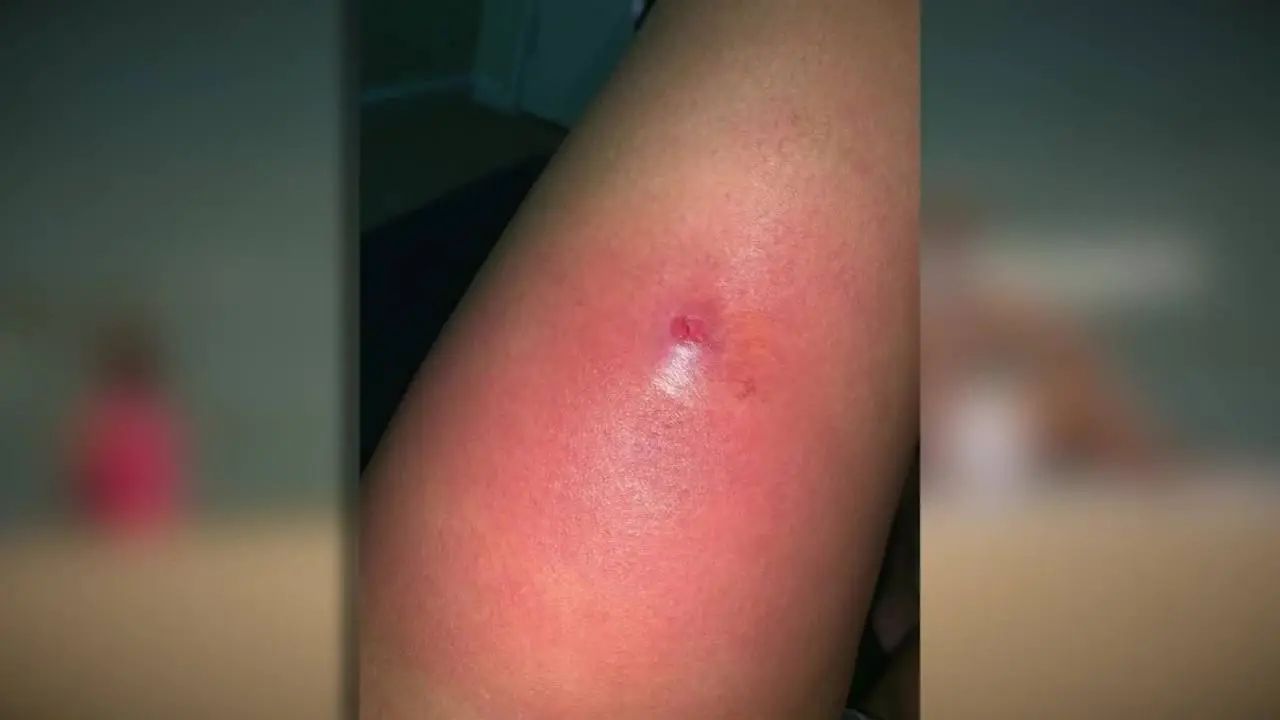
On September 21, 2025, health officials in Louisiana reported the tragic death of a resident due to a rare but severe infection caused by Vibrio vulnificus, a waterborne bacterium found in warm coastal waters. This incident has raised concerns about the risks associated with exposure to contaminated water, particularly in the Gulf Coast region, where Vibrio infections are more prevalent. The case underscores the importance of public awareness and preventive measures to avoid such infections, especially during warmer months when the bacterium thrives.
Understanding Vibrio vulnificus: A Dangerous Waterborne Pathogen
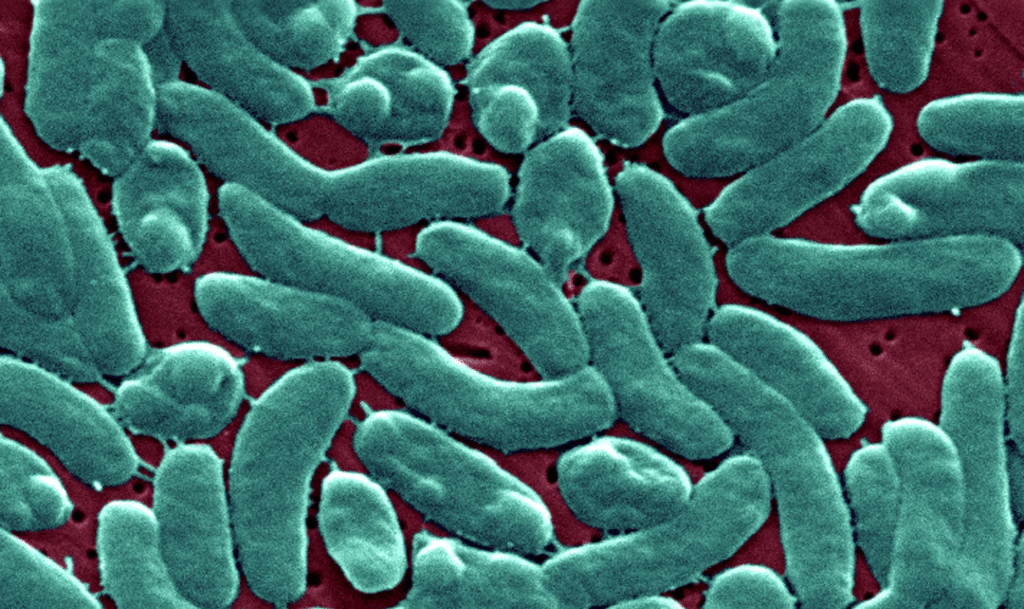
Vibrio vulnificus is a gram-negative, rod-shaped bacterium commonly found in warm, brackish coastal waters, particularly in the Gulf of Mexico, where water temperatures and salinity create ideal conditions for its growth. The bacterium is part of the Vibrio genus, which includes other species like Vibrio cholerae, the cause of cholera. Vibrio vulnificus is particularly dangerous because it can cause severe infections through two primary routes: consumption of contaminated seafood, such as raw oysters, or direct contact with open wounds exposed to contaminated water.
Infections caused by Vibrio vulnificus are rare but can be life-threatening, with a mortality rate of up to 50% in severe cases, particularly when the infection progresses to septicemia (bloodstream infection). The bacterium is most active during warmer months, typically from May to October, when water temperatures exceed 68°F (20°C). Individuals with compromised immune systems, liver disease, diabetes, or open wounds are at higher risk of severe outcomes. Symptoms of infection include fever, chills, skin lesions, and gastrointestinal distress, often appearing within 24 to 48 hours of exposure.
Read : The Truth Behind the Viral Instagram Reel Claiming Electric Shock Treatment Will Cure Acne Overnight
In the case of the Louisiana resident, health officials have not released specific details about the individual’s identity or medical history, citing privacy concerns. However, they confirmed that the infection was likely contracted through exposure to contaminated water, possibly during recreational activities such as fishing, swimming, or wading in coastal areas. The incident highlights the need for greater public education about the risks of Vibrio vulnificus in regions like Louisiana, where coastal activities are a way of life.
Circumstances of the Incident and Public Health Response
The Louisiana Department of Health confirmed the death on September 20, 2025, after the resident was hospitalized with symptoms consistent with a Vibrio vulnificus infection. Initial investigations suggest the individual may have come into contact with the bacterium while engaging in activities in or near coastal waters, though the exact location and circumstances remain under investigation. The department noted that the case is part of a small but concerning number of Vibrio infections reported annually in the state, with Louisiana typically seeing 10 to 30 cases per year, depending on environmental conditions.
Public health officials have emphasized that Vibrio vulnificus infections are not contagious and do not pose a risk of person-to-person transmission. However, the incident has prompted renewed efforts to educate the public about the dangers of the bacterium, particularly in the wake of recent hurricanes and flooding, which can increase the risk of exposure by stirring up contaminated sediments in coastal waters. Floodwaters can also carry the bacterium into areas not typically affected, such as inland waterways or flooded neighborhoods.
In response to the incident, the Louisiana Department of Health has issued advisories urging residents and visitors to exercise caution when engaging in water-related activities. These advisories include avoiding contact with coastal waters if open wounds are present, thoroughly cooking seafood, and seeking immediate medical attention if symptoms of infection appear after exposure. Hospitals in the region have also been alerted to monitor for potential Vibrio cases, as early diagnosis and aggressive treatment with antibiotics are critical to improving outcomes.
The death has also sparked discussions about the impact of environmental factors, such as rising sea temperatures and coastal flooding, on the prevalence of Vibrio vulnificus. Warmer waters associated with climate change may expand the bacterium’s range and prolong the season during which infections are likely to occur. While health officials are working to monitor water quality and issue timely warnings, they stress that individual vigilance is key to preventing infections.
Preventive Measures and Public Awareness
Preventing Vibrio vulnificus infections requires a combination of personal precautions and public health initiatives. For individuals, the most effective way to reduce risk is to avoid exposure to contaminated water and seafood. Those with open wounds, cuts, or abrasions should refrain from swimming or wading in warm coastal waters, as even minor skin breaks can serve as entry points for the bacterium. Protective clothing, such as waterproof boots or gloves, can also reduce the risk of exposure during activities like fishing or handling seafood.
When it comes to consuming seafood, proper handling and cooking are essential. Raw or undercooked shellfish, particularly oysters, are a common source of Vibrio vulnificus infections. Health officials recommend cooking oysters thoroughly—boiling, steaming, or frying until the internal temperature reaches 145°F (63°C) for at least 15 seconds—to kill the bacterium. Additionally, individuals should avoid cross-contamination by keeping raw seafood separate from other foods and washing hands, utensils, and surfaces after handling.

For those with underlying health conditions, such as liver disease, diabetes, or weakened immune systems, extra caution is warranted. These individuals are at significantly higher risk of severe complications and should consult with healthcare providers before engaging in activities that may expose them to Vibrio vulnificus. Public health campaigns in Louisiana are focusing on reaching vulnerable populations with targeted messaging about these risks.
Beyond individual actions, public health agencies play a critical role in monitoring and mitigating the risks of Vibrio vulnificus. Regular testing of coastal waters for bacterial levels, especially after storms or flooding, can help identify high-risk areas. Timely communication of these findings to the public, through beach advisories or fishing warnings, is essential for preventing infections. Additionally, healthcare providers need to be trained to recognize the symptoms of Vibrio infections and initiate treatment promptly, as delays can lead to rapid deterioration in severe cases.
Community education is another key component of prevention. Schools, community centers, and local media outlets can help disseminate information about Vibrio vulnificus and its risks. In Louisiana, where coastal culture is deeply ingrained, fostering a culture of safety around water-related activities can save lives. Simple measures, such as posting warning signs at popular beaches or distributing informational pamphlets to fishermen, can make a significant difference.
The tragic loss of a Louisiana resident to Vibrio vulnificus serves as a sobering reminder of the hidden dangers lurking in warm coastal waters. While the bacterium is a natural part of the marine environment, its ability to cause severe illness underscores the need for vigilance. By understanding the risks, taking preventive measures, and staying informed, individuals can enjoy Louisiana’s coastal resources safely. Health officials continue to monitor the situation and urge the public to remain cautious, particularly as environmental changes may increase the prevalence of this deadly pathogen in the years to come.