
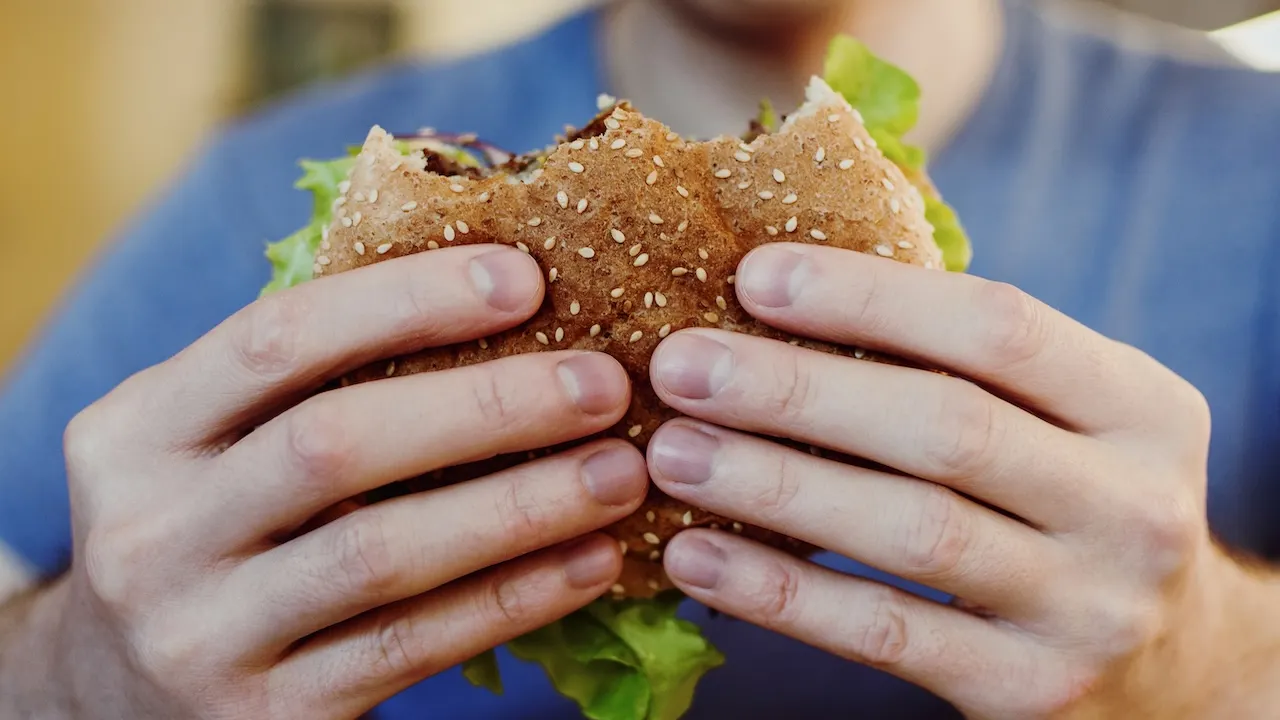
A recently documented medical case in the United States has drawn national attention after researchers confirmed the first known fatality directly linked to alpha-gal syndrome, a tick-borne allergy to red meat that can trigger severe and delayed anaphylactic reactions. The case involves a 47-year-old man from New Jersey who died in 2024, hours after eating a hamburger at a family barbecue. Although he had a known allergy to galactose-alpha-1,3-galactose, commonly referred to as alpha-gal, neither he nor his family initially connected his sudden illness to the meal.
The details of his reaction, the subsequent investigation, and the scientific findings provide a rare and sharply focused look into a condition that has affected thousands in the United States yet remains widely misunderstood. Alpha-gal syndrome, often abbreviated as AGS, is caused by a sugar molecule found in mammals other than humans and primates. When certain ticks—most commonly the lone star tick in the U.S.—bite humans, they can trigger the immune system to develop antibodies against alpha-gal.
As a result, consuming red meat products such as beef, pork, or lamb may provoke a delayed but potentially life-threatening allergic reaction. While the syndrome has gained increasing visibility over the last decade, few medical publications have previously documented fatal outcomes, making this case a landmark in public health research and allergy medicine. The man’s death, now officially recognized as the first confirmed fatality from AGS following meat consumption, has led clinicians to reevaluate the risks associated with the condition and the importance of early recognition.
Man Dies Hours After Eating Hamburger
According to the report published in The Journal of Allergy and Clinical Immunology: In Practice, the man consumed a beef hamburger at a barbecue in New Jersey. Several hours later, he began vomiting and became severely ill. The delayed onset is consistent with known AGS reactions, which often occur three to six hours after eating mammalian meat rather than immediately. His symptoms escalated, progressing toward anaphylaxis, a severe and rapid allergic response that can impede breathing, drop blood pressure, and cause sudden loss of consciousness.
Emergency responders initially faced a perplexing scenario. The man did not present with signs typical of a heart attack, stroke, or other commonly identifiable causes of sudden collapse. He had no known cardiac conditions, and initial examinations offered no clear explanation for his rapid decline. This lack of obvious causation contributed to the case being treated as a medical mystery at first, one that puzzled both his family and the healthcare professionals involved.
Read : Man Orders McDonald’s Burger With “Everything Removed,” Gets Empty Box With $19.81 Bill
Compounding the confusion, the symptoms were not immediately linked to an allergic reaction. Despite his documented sensitivity to alpha-gal, neither the man nor those around him suspected a connection to the hamburger he had eaten hours earlier. This delay in recognizing the allergic nature of his condition proved tragic. Without immediate treatment for anaphylaxis, including the administration of epinephrine, AGS reactions can overwhelm the body and become fatal, as this case ultimately demonstrated.
The Medical Investigation and Confirmed Cause
The man’s death prompted a more detailed inquiry when initial autopsy findings revealed no significant abnormalities. His heart, lungs, liver, and neurological systems all appeared structurally normal, both in gross and microscopic examinations. Toxicology showed low levels of alcohol and a detectable presence of diphenhydramine, an over-the-counter antihistamine commonly used to treat mild allergic symptoms. These findings did not point to overdose, trauma, or an underlying chronic illness.
The absence of clear physical causes led the medical examiner to classify his death as “sudden unexplained death,” a term used when typical diagnostic pathways fail to clarify the event. The turning point came when the man’s wife, seeking answers, approached a friend who happened to be a physician. Recognizing that the symptoms might align with a severe allergic response, the physician contacted researchers at UVA Health in Virginia, including Dr Thomas Platts-Mills, the allergist who first identified and named alpha-gal syndrome in earlier scientific work.

Upon reviewing the autopsy report, medical history, and circumstances surrounding the man’s final hours, the research team determined that the evidence strongly supported a fatal anaphylactic reaction induced by alpha-gal exposure from the beef hamburger. In their published findings, the UVA Health researchers concluded that this was the first confirmed instance of a person dying from AGS following the ingestion of mammalian meat.
They emphasized that the delayed nature of symptoms and the unusual presentation of the allergy—lacking immediate hives or respiratory distress—made it difficult for the family and clinicians to identify what was happening in time. Dr Platts-Mills, commenting in media reports, explained that the tragedy stemmed in part from the fact that no one involved recognized the episode as anaphylaxis until it was too late.
Understanding Alpha-Gal Syndrome and Its Risks
Alpha-gal syndrome has become an increasingly recognized public health concern as tick populations expand in various regions of the United States. Exposure often occurs after a bite from the lone star tick, a species common in the southeastern and eastern states but now rapidly spreading into parts of the Midwest and Northeast. The allergic response it triggers differs from typical food allergies caused by proteins; instead, the body mounts an immune reaction to a carbohydrate molecule. This distinction contributes to the unique characteristics of AGS, including its delayed onset and wide variability in symptoms.
Read : In-N-Out Burger Sues YouTuber Bryan Arnett Over Lewd Remarks to Customers in a Prank Video
Patients with AGS may experience hives, swelling, gastrointestinal distress, difficulty breathing, or full anaphylaxis. Because symptoms may appear several hours after eating red meat, many individuals fail to recognize the connection immediately, leading to repeated exposures and worsening reactions. Current medical guidance stresses strict avoidance of mammalian meat and, in some cases, dairy products or gelatin depending on the severity of the allergy. There is no known cure, although antibody levels can decrease if individuals avoid further tick bites and mammalian meat.
This case underscores how deceptively mild some AGS symptoms may appear at first and how quickly they can escalate without intervention. Experts recommend that anyone diagnosed with the syndrome carry epinephrine auto-injectors and seek immediate medical care after a suspected exposure. The importance of awareness extends beyond patients: healthcare providers must recognize the potential for AGS-related anaphylaxis even when the presentation does not match typical food allergy patterns.
Researchers studying this case also highlighted the significance of communication between patients, families, and clinicians. Because alpha-gal reactions differ so substantially from conventional allergies, they can be overlooked in emergency settings where doctors may be more attuned to fast-onset allergic reactions. The lag time, in particular, poses a diagnostic challenge, making education a critical component in preventing similar tragedies.
The fatality serves as a cautionary reminder of the seriousness of alpha-gal syndrome and the need for heightened vigilance. Though many individuals with AGS lead normal lives through strict dietary management, the condition carries inherent risks that can intensify without proper precautions. Continued research, improved clinical recognition, and broader public awareness remain essential for preventing severe outcomes as the incidence of the syndrome continues to rise across the United States.
**mitolyn official**
Mitolyn is a carefully developed, plant-based formula created to help support metabolic efficiency and encourage healthy, lasting weight management.
188V có hệ thống backup dữ liệu 3 lớp – đảm bảo không bao giờ mất thông tin người chơi, ngay cả trong trường hợp sự cố kỹ thuật nghiêm trọng. TONY03-04