
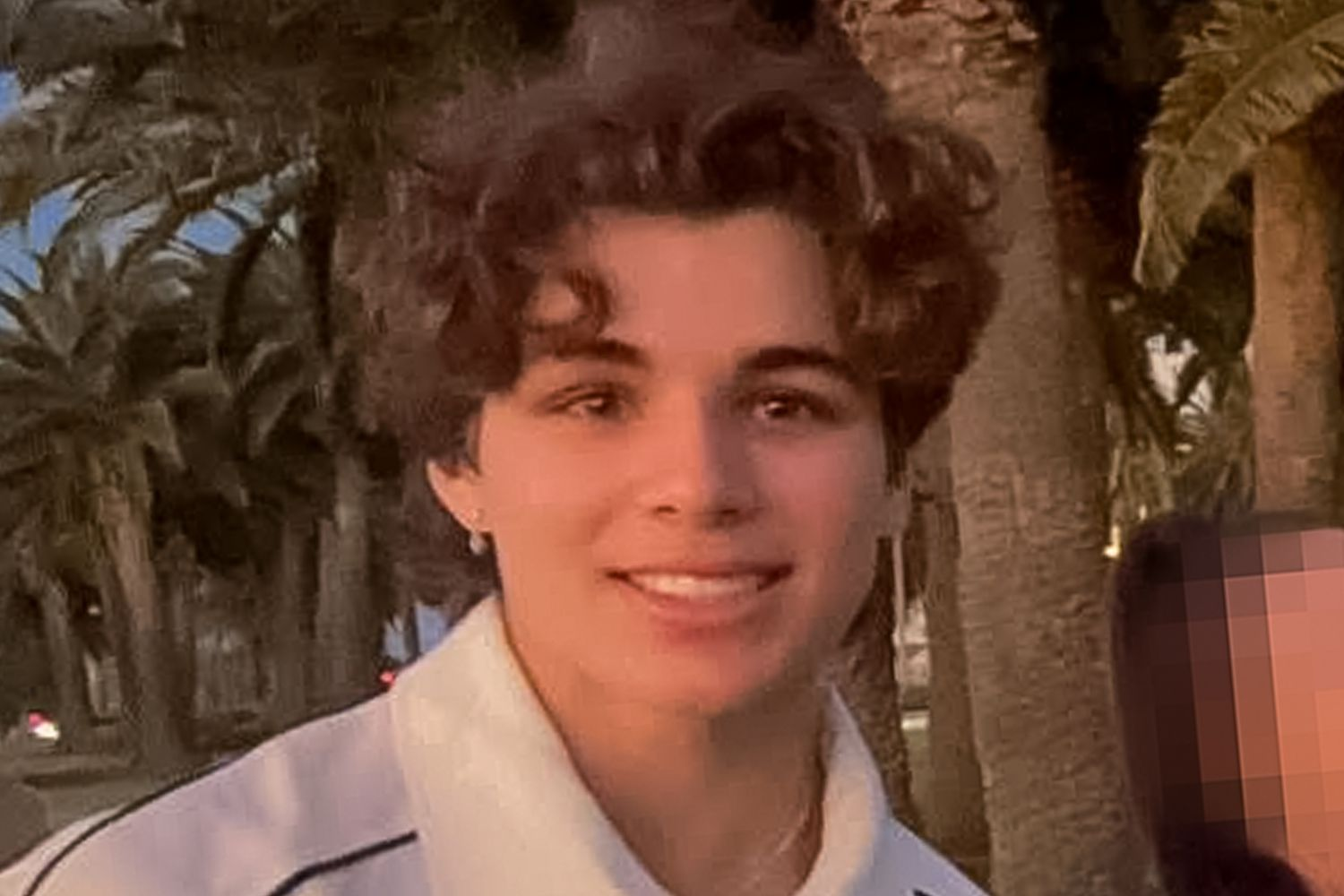
The sudden death of 21-year-old college student Alexander “Zander” Philogene has drawn attention to the speed and severity of meningococcal disease, a rare but highly dangerous bacterial infection often mistaken for common illnesses like the flu. Philogene, described by loved ones as intelligent, kind, and full of life, was studying finance and chemical engineering while participating in a study-abroad program in Austria.
His death occurred within hours of his first reported symptoms, underscoring how quickly the infection can escalate even in otherwise healthy young adults. The incident has raised renewed concern among health experts about awareness, early detection, and the unpredictable nature of this disease.
A Rapid Decline Following Mild Symptoms
Philogene’s condition reportedly began with symptoms that are easily overlooked or attributed to less serious illnesses. While boarding a flight from Porto, Portugal, to Vienna, Austria, he messaged friends about experiencing dizziness, headaches, and shortness of breath. These early signs are commonly associated with viral infections such as influenza, which makes meningococcal disease particularly difficult to identify in its initial stages. However, his symptoms worsened during the short flight, eventually progressing to include a rash—one of the more alarming indicators linked to meningococcal infection.
Upon landing in Vienna, his condition deteriorated rapidly. Despite encouragement from friends to seek immediate medical attention, Philogene suffered a cardiac arrest at the airport. Emergency responders quickly intervened, airlifting him by helicopter to a nearby hospital. Medical teams attempted to stabilize him, but the aggressive nature of the infection proved overwhelming. He was pronounced dead later that afternoon, only hours after his first symptoms had been reported.
Read : Akshata Murty Trolled for Wearing £395 Dress at Rishi Sunak’s Resignation Speech
This rapid progression highlights one of the most dangerous aspects of meningococcal disease: its ability to escalate from mild discomfort to life-threatening complications within an extremely short time frame. Unlike many infections that allow a window for diagnosis and treatment, meningococcal disease can overwhelm the body before medical intervention becomes effective.
Understanding Meningococcal Disease and Its Risks
Meningococcal disease is caused by a bacterium that spreads through close contact, typically via respiratory droplets such as saliva or mucus. While many individuals may carry the bacteria without showing symptoms, it can, in some cases, invade the bloodstream or the lining of the brain and spinal cord, leading to severe conditions like meningitis or septicemia. These complications are associated with high mortality rates, even when treated promptly with antibiotics.
Read : 22-Year-Old Indian Medical Student Identified as Creator of AI ‘MAGA’ Influencer Emily Hart
One of the reasons the disease is so dangerous is its similarity to more common illnesses in its early stages. Symptoms such as fever, fatigue, nausea, headaches, and muscle pain are often indistinguishable from those of the flu. As the infection progresses, more distinctive signs may appear, including sensitivity to light, confusion, vomiting, and the development of a rash. However, by the time these symptoms become evident, the infection may already be in an advanced and critical stage.

Health authorities estimate that a significant percentage of individuals diagnosed with meningococcal disease may not survive, even with access to advanced medical care. Among those who do survive, long-term complications are common. These can include brain damage, hearing loss, nerve damage, kidney failure, or even limb amputations due to severe tissue damage caused by the infection.
Vaccination is considered one of the most effective preventive measures against meningococcal disease. However, the presence of multiple strains means that vaccines may not provide complete protection in all cases. Reports suggest that Philogene had been vaccinated, raising the possibility that he may have encountered a newer or more aggressive strain not fully covered by existing immunizations. This has added another layer of concern for public health officials, particularly in light of emerging variants observed in recent months.
A Devastating Loss and Renewed Awareness
Philogene’s death has left a profound impact on his family, friends, and broader community. Described as witty, intelligent, and compassionate, he was seen as a promising young individual with a bright future ahead. His sudden passing has created a deep sense of grief among those who knew him, as well as a broader awareness of the unpredictable dangers posed by meningococcal disease.

Family members have expressed their devastation, reflecting on his personality and the joy he brought to those around him. A family friend initiated a fundraising effort to assist with funeral expenses, emphasizing the emotional and financial strain that accompanies such an unexpected loss. Messages shared in support of the family describe Philogene as a kind and beautiful soul whose absence leaves a lasting void.
Beyond the personal tragedy, his case serves as a stark reminder of the importance of recognizing early warning signs and seeking immediate medical attention when symptoms escalate quickly. While meningococcal disease remains relatively rare, its severity demands vigilance, particularly among young adults who may be living in close-contact environments such as dormitories or traveling frequently.
Public health experts continue to stress the need for awareness campaigns that educate individuals about the symptoms and risks associated with the disease. Early recognition, combined with rapid medical intervention, remains the best chance for survival. At the same time, ongoing research into vaccine development and strain identification is critical to improving prevention strategies and reducing the likelihood of similar cases in the future.
Philogene’s story illustrates how quickly life can change when faced with an aggressive infection. It also reinforces the importance of not dismissing symptoms that appear mild but develop rapidly. As awareness grows, his legacy may contribute to a greater understanding of meningococcal disease and the steps needed to protect others from its devastating effects.
I was looking for this. Really refreshing take on the information. Thanks a lot.