

A mysterious disease known as “Dinga Dinga,” translating to “shaking like dancing,” is causing alarm in Uganda, particularly in the Bundibugyo district.
The condition has primarily affected women and girls, leaving health officials and residents grappling with its peculiar symptoms and underlying cause.
Symptoms of Dinga Dinga
The symptoms of Dinga Dinga are both alarming and unusual. The most striking feature is uncontrollable body shaking, which resembles dance-like movements.
This has given the disease its name, as the involuntary tremors are often rhythmic and difficult to manage. Patients also report additional symptoms, including fever, severe weakness, and in some cases, sensations of paralysis.
One patient, Patience Katusiime, shared her harrowing experience: “I felt weak and got paralysed, with my body shaking uncontrollably whenever I tried to walk. It was very disturbing.” This inability to walk, compounded by continuous body tremors, has made daily life challenging for those afflicted.
Read : Deadly Landslide in Uganda: 113 Missing
Although the disease appears highly disruptive, no fatalities have been reported so far. Around 300 cases have been documented in Bundibugyo, and the condition seems to be confined to this region for now.
Read : Discovering Nature’s Giants: A Guide to the Largest Lakes Around the Globe
Medical professionals have identified antibiotics as an effective treatment, with most patients recovering within a week of receiving appropriate care.
Efforts by Health Officials
The emergence of Dinga Dinga has prompted significant concern among health authorities in Uganda. Samples from affected individuals have been sent to the Ministry of Health for detailed analysis to uncover the cause and nature of the disease. While investigations are ongoing, health officials have emphasized the importance of seeking proper medical treatment.
Read : Billionaire Oswal’s Family Posts Audio of Daughter Vasundhara Crying While Detained in Uganda
Dr. Kiyita Christopher, the District Health Officer, has actively reassured the community. He highlighted that the recovery rate is high, provided patients receive timely treatment. He also discouraged the use of herbal remedies, cautioning that there is no scientific basis for their efficacy against this condition.
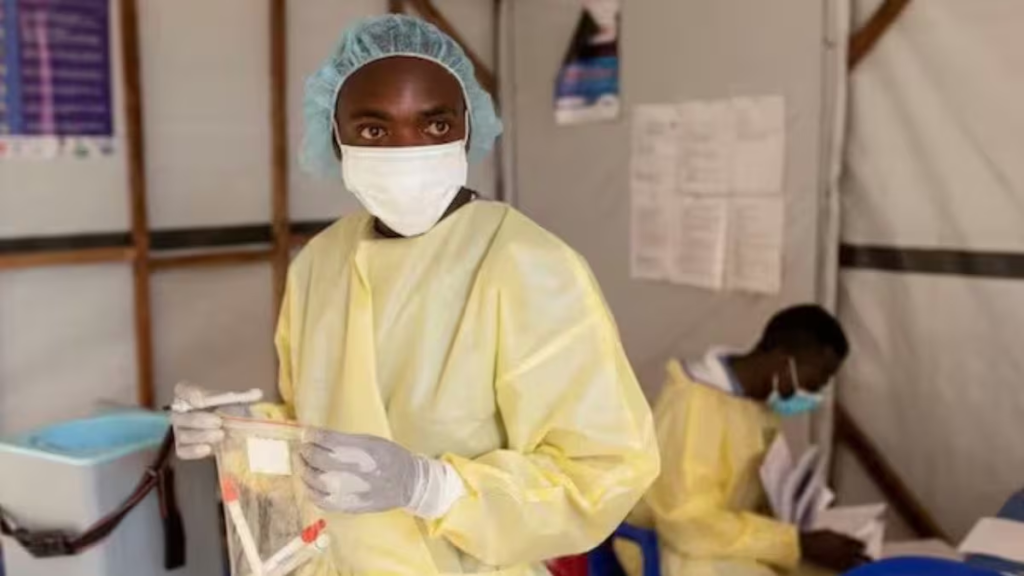
“I urge locals to seek treatment from health facilities within the district,” Dr. Christopher stated, emphasizing the need for professional healthcare services. Public health campaigns have been initiated to raise awareness about Dinga Dinga and educate residents on identifying symptoms early.
Preventive Measures and Community Response
While the exact cause of Dinga Dinga remains elusive, health experts underscore the importance of early medical intervention. Fever, excessive body shaking, and muscle weakness should be considered warning signs that warrant immediate medical attention.
Community outreach programs in Bundibugyo are playing a critical role in educating residents about the disease. Officials are urging people to avoid unverified treatments and rely on district health facilities. The campaigns also aim to dispel myths and reduce panic, focusing instead on prevention and recovery strategies.
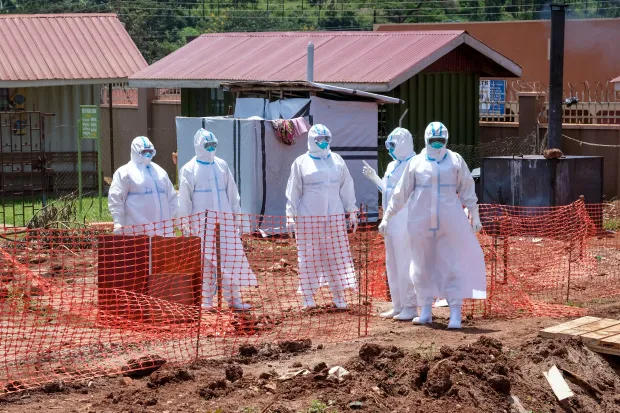
The response from residents has been mixed. While many have sought professional medical care, others continue to turn to traditional herbal remedies due to cultural beliefs. Overcoming this reliance is a priority for health officials, who aim to foster trust in modern medicine.
Dinga Dinga, with its mysterious origins and disruptive symptoms, poses a significant health challenge in Uganda’s Bundibugyo district.
Despite the difficulties, health officials remain optimistic, citing the high recovery rate among treated patients. Public health campaigns and medical interventions are proving crucial in managing the outbreak and preventing its spread.
By promoting awareness, discouraging unverified remedies, and encouraging early treatment, Uganda is taking proactive steps to address this emerging health crisis. While the disease’s exact cause remains unknown, the collective efforts of the medical community and local residents provide hope for a swift resolution to the mystery of Dinga Dinga.