
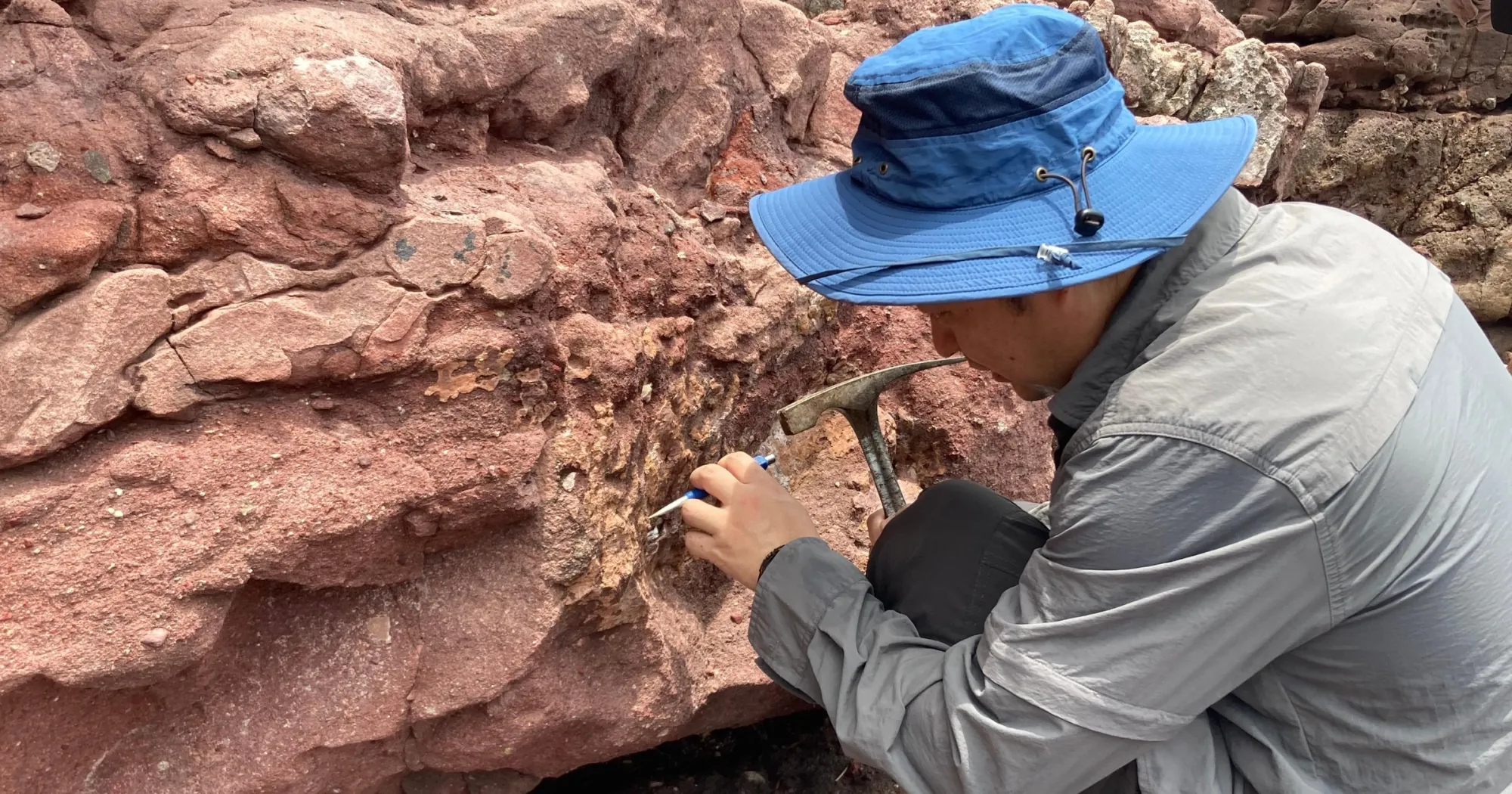
Hong Kong, known more for its bustling skyline than ancient discoveries, recently made a groundbreaking contribution to paleontology. Dinosaur fossils were uncovered for the first time on a remote island in the northeastern waters of the city.
This finding is stirring excitement among researchers, scientists, and residents alike, as it opens a window into a prehistoric era long thought to have left few traces in this part of the world.
The fossils, found on Port Island, offer invaluable insights into the Cretaceous period, over 66 million years ago. As experts delve into this momentous find, the city is abuzz with the possibilities these relics represent for both scientific research and historical understanding.
A Rare Dinosaur Fossils Discovered in Hong Kong
Port Island, an uninhabitable and rocky expanse northeast of Hong Kong, has been designated a site of scientific interest since 1979 and is part of Hong Kong’s UNESCO Global Geopark. In March, the Agriculture, Fisheries, and Conservation Department made the surprising fossil discovery, revealing bone fragments believed to be from a “large aged dinosaur.”
These fossils date back to the Cretaceous period, a time following the Jurassic era, which is known for its immense and varied dinosaur population.
Read : Hong Kong Regains Title of World’s Freest Economy, Beating Singapore
The region’s dense vegetation, intense weather patterns, and heavy urbanization have long made paleontological findings rare in Hong Kong. However, Port Island, with its seclusion and natural environment, has retained unique geological features that provide an ideal setting for such discoveries.
Researchers attribute the preservation of the fossil fragments to the island’s rocky formations and their gradual exposure to the surface over time.
The revelation has been met with enthusiasm by Hong Kong’s scientific community, as the fossils add new depth to the city’s paleontological record, previously known for plant and fish remains from the dinosaur era but never actual dinosaur bones.
Read : 161-Million-Year-Old World’s Largest Stegosaurus Skeleton Put on Auction in New York
Further studies on Port Island will determine the exact species of the dinosaur, but paleontologists are already excited by the implications of this initial discovery. The closure of the island and surrounding parkland for further excavation underscores the importance of the find, with authorities keen to ensure that every potential fossil fragment is documented and preserved.
Understanding the Cretaceous Period in Asia
The Cretaceous period, spanning from approximately 145 million to 66 million years ago, is often overshadowed by the preceding Jurassic era, which witnessed the rise of well-known dinosaur species like the Tyrannosaurus rex and Stegosaurus.
However, the Cretaceous period saw the evolution and diversification of an even wider array of dinosaur species, including many herbivorous giants and apex predators. This era also marked significant changes in the planet’s climate and geography, leading to the spread of flowering plants and the eventual dominance of mammalian species.
In Asia, discoveries from the Cretaceous period have typically centered on regions further inland. Southern China, for example, has yielded numerous dinosaur egg fossils, while skeletal remains have been rare.
Recent excavations in southwestern China, particularly in Yunnan province, have uncovered dinosaur remains in shallow soil deposits, offering evidence of an array of species that thrived in East Asia.
These discoveries have redefined scientists’ understanding of Asia’s prehistoric ecosystem and provided clues to the diversity of species that once inhabited this region.
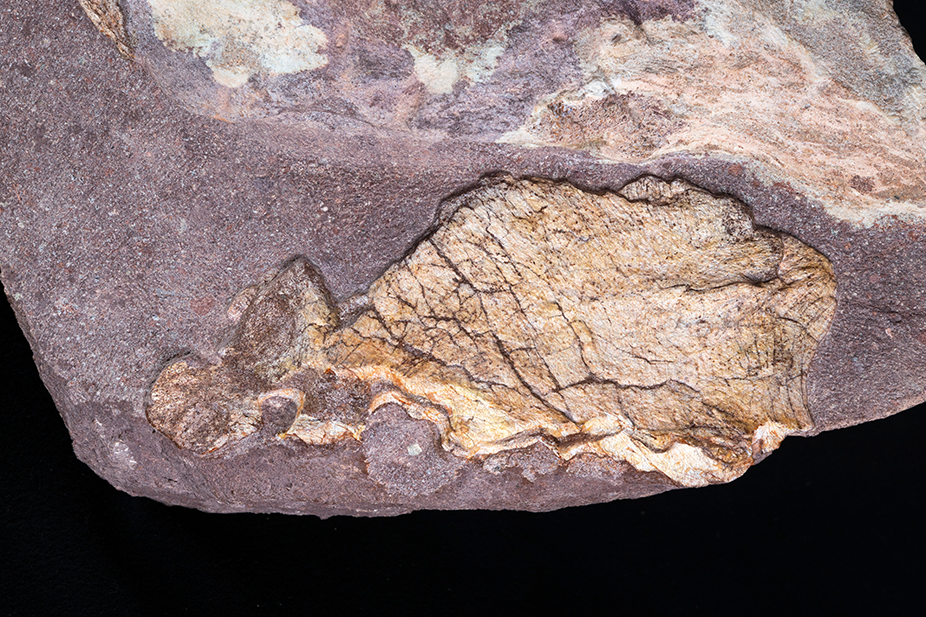
Hong Kong’s Port Island find adds to this growing body of knowledge, as it introduces evidence of dinosaurs further south than previously recorded in China. Experts from the Chinese Academy of Sciences and the Institute of Vertebrate Paleontology and Paleoanthropology have joined Hong Kong scientists to measure and analyze the Port Island fossils.
Their findings may establish connections between this dinosaur and species from other Asian regions. The proximity of these fossils to coastal areas may also offer insight into how ancient dinosaurs interacted with coastal ecosystems, where other preserved evidence has shown they were likely present.
Implications for Hong Kong’s Geological and Paleontological Landscape
Hong Kong has a unique geological history that spans over 400 million years, yet dinosaur fossils have not been part of its recorded natural history until now. The island’s complex geological layers reflect a history of volcanic eruptions, tectonic shifts, and varying sea levels, making it a challenging landscape for preserving dinosaur fossils.
Over the years, Hong Kong’s Antiquities and Monuments Office has uncovered fossils of ancient plants and fish that thrived during the age of dinosaurs. However, this new discovery of body fossils marks a first for the region, promising to reshape scientific assumptions about what lived in Hong Kong’s past and where further excavations might be fruitful.
For scientists like Michael Pittman, an assistant professor of life sciences at the Chinese University of Hong Kong, the Port Island fossils represent more than a scientific milestone. He points out that finding body fossils in Hong Kong is a remarkable feat given the city’s humid climate and heavy seasonal rains, which accelerate the erosion of rock layers.
The fossils’ survival is a fortunate circumstance, with Pittman noting that they might have fully eroded if discovered even slightly later. According to him, Hong Kong’s geological makeup and environment make it difficult for body fossils to remain intact and visible on the surface, heightening the significance of these Port Island fossils.
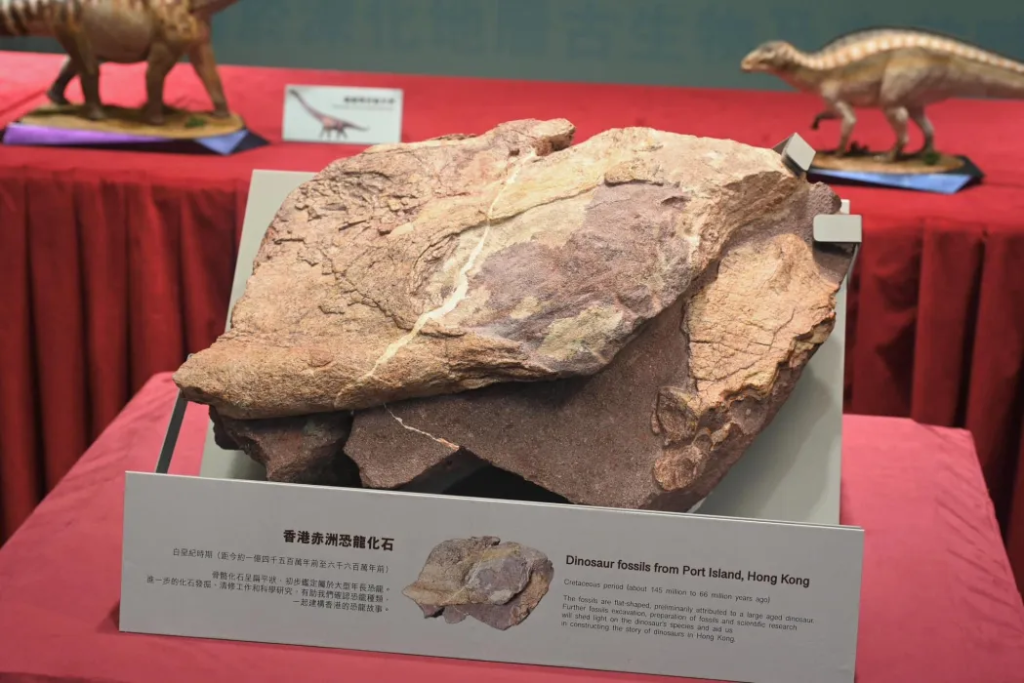
This finding has implications not only for Hong Kong’s understanding of its own geological history but also for educational and scientific opportunities. The city’s Heritage Discovery Centre will display the fossils, drawing in both local residents and international visitors to learn about Hong Kong’s unexpected connection to the age of dinosaurs.
Additionally, the excavation and preservation of these fossils may encourage more paleontological studies within Hong Kong and other parts of East Asia, fostering greater appreciation and understanding of the continent’s prehistoric past.
As the initial analyses are completed, the next steps in research will involve more comprehensive excavations on Port Island. If scientists are fortunate, they may uncover additional bones or even larger portions of a skeleton, which would provide greater detail on the species’ morphology and its lifestyle within the Cretaceous ecosystem.
With the area currently closed to the public, researchers have the opportunity to conduct extensive fieldwork in hopes of a more complete picture of Hong Kong’s prehistoric landscape.