
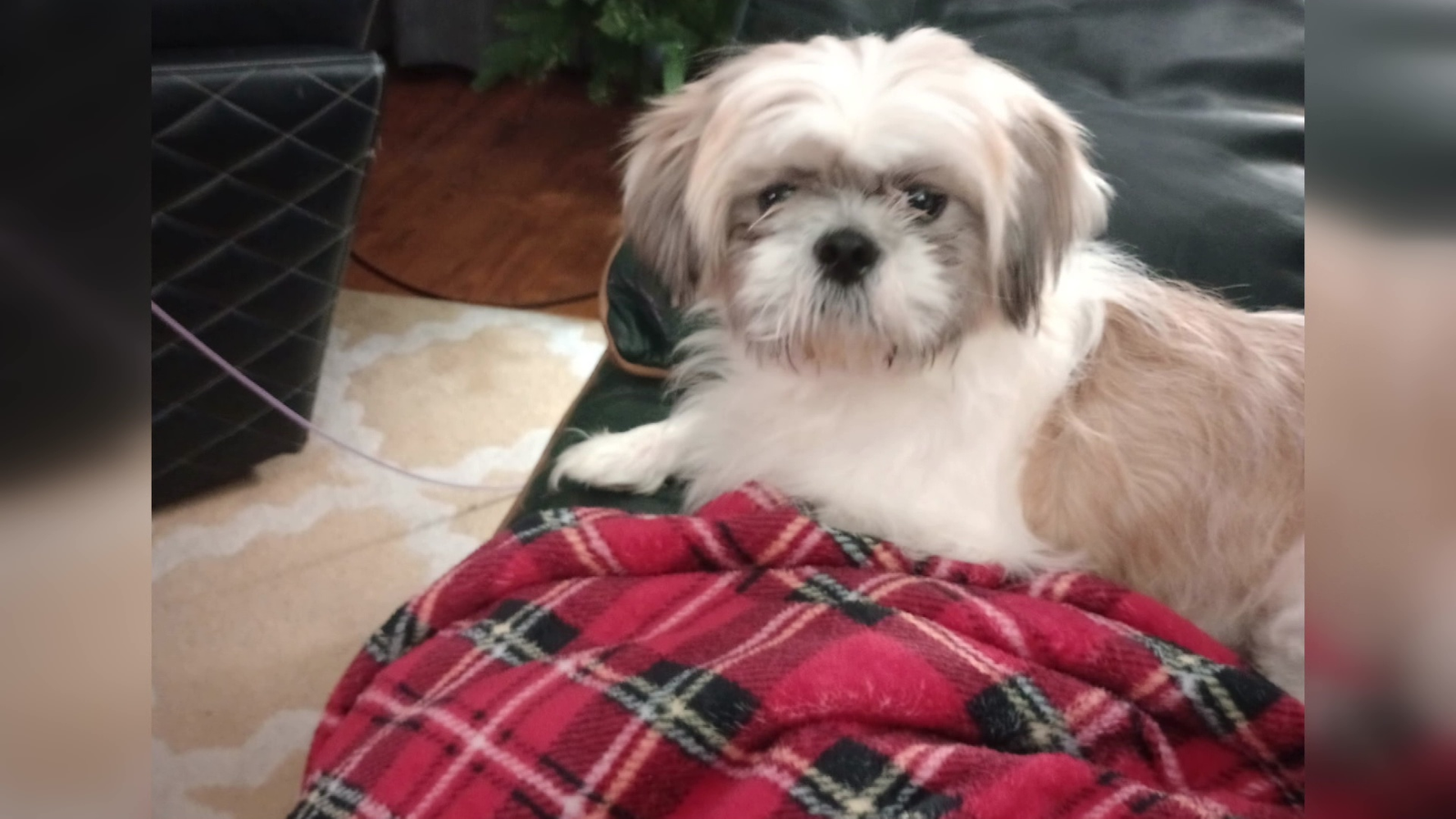
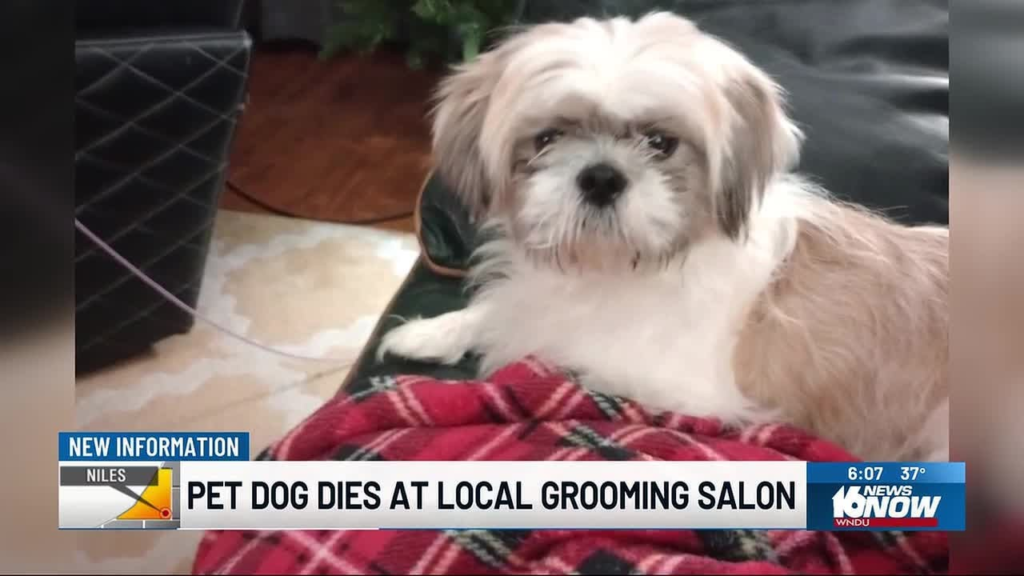
The sudden death of a family pet during what should have been a routine grooming appointment has left a Michigan dog owner grieving and searching for answers. What began as a simple visit for a haircut and shampoo ended in tragedy when a Shih Tzu named Mojo died at a grooming salon in Niles Township.
The circumstances surrounding the incident, as described by authorities and the pet’s owner, have raised serious concerns about grooming practices, safety measures, and the absence of regulatory standards in the industry. As the details continue to emerge, the case highlights both the emotional toll on pet owners and broader questions about accountability and oversight.
Incident Details and What Happened Inside the Salon
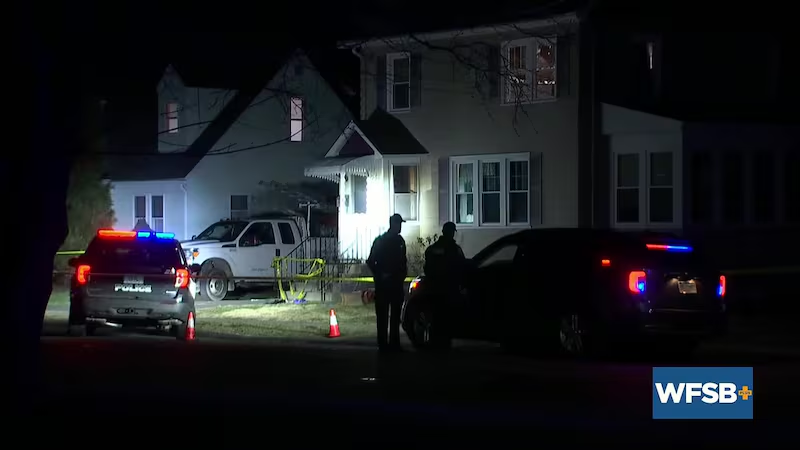
According to the Berrien County Sheriff’s Office, deputies were called to Happy Tails Grooming Salon on a Tuesday afternoon after reports that a dog had died on the premises. Upon arrival, they found Mojo, a Shih Tzu belonging to owner Josh Greulich, already deceased. The sequence of events described in the police report paints a distressing picture of how a routine grooming session escalated into a fatal accident.
The salon owner reportedly told deputies that Mojo had been acting aggressively during the grooming process. In response, she placed a leash on the dog and secured him inside a crate to dry. Crating dogs for drying purposes is not uncommon in grooming facilities, but it requires careful handling and constant monitoring, especially when restraints like leashes are involved. According to the report, a short time after being placed in the crate, Mojo attempted to get out while still attached to the leash.
This attempt proved fatal. The dog became entangled and ended up hanging by the leash inside the crate. An employee later discovered Mojo in this condition and immediately attempted to perform CPR. Despite these efforts, the dog could not be revived. The sheriff’s office ultimately ruled the death accidental, but the description of events has led to scrutiny of the conditions and decisions that contributed to the incident.
Deputies also noted that several crates at the salon, including the one used for Mojo, appeared to have issues with their latches. While it is not definitively stated how these defects contributed to the incident, faulty equipment combined with the use of a leash in a confined space may have increased the risk. The situation underscores the importance of proper equipment maintenance and adherence to safety protocols when handling animals in potentially stressful environments.
Owner’s Grief and Concerns About Response
For Mojo’s owner, the loss has been both devastating and difficult to process. Josh Greulich described the incident as something he never imagined could happen during a grooming appointment. The expectation of safety in such routine services makes the outcome particularly painful, as pet owners typically trust professionals to care for their animals with diligence and compassion.
Read : Jyoti Ratre Becomes Oldest Indian Woman to Conquer Everest at the Age of 55
Greulich expressed deep emotional distress while speaking about Mojo, emphasizing the bond shared with his pet and the lasting impact of the loss. His statements reflect not only grief but also a sense of disbelief that such a situation could arise from what is generally considered a low-risk activity. The idea that a simple grooming session could end in death has shaken his confidence in the safety of such services.
Read : Colleen Rae Talley Accused of Killing Her Dog by Suffocating It with Trash Bag
Beyond the incident itself, Greulich raised concerns about how the situation was handled by the salon owner in the immediate aftermath. He described a conversation in which he felt the response lacked sufficient empathy or urgency. According to him, the salon owner indicated she needed to continue working with other dogs shortly after informing him of Mojo’s death. This reaction, as described, contributed to his sense that the gravity of the situation was not fully acknowledged.
These concerns highlight an important aspect of such incidents: communication and compassion in crisis situations. While accidents can occur, the way they are handled—particularly when they involve the loss of a pet—can significantly affect how owners cope with the aftermath. A perceived lack of concern can deepen emotional distress and lead to questions about professionalism and responsibility.
Greulich also voiced frustration over the absence of clear answers and accountability. The accidental ruling, while based on the available evidence, does not necessarily provide closure for a grieving owner seeking to understand why the incident occurred and whether it could have been prevented. His comments reflect a broader sentiment that more safeguards and clearer standards could help prevent similar tragedies.
Lack of Regulation and Calls for Change
The incident has drawn attention to a significant gap in the pet grooming industry: the lack of standardized safety regulations at the state level. According to Johanna Humbert, executive director of the Michiana Humane Society, there are currently no specific licensing requirements governing pet groomers in Michigan or neighboring Indiana. This absence of formal oversight means that grooming practices can vary widely between facilities, with no uniform standards to ensure safety.
This regulatory gap raises concerns about training, equipment, and operational procedures within grooming salons. Without mandatory guidelines, decisions such as how to handle aggressive animals, whether to use restraints, and how to monitor pets during drying processes are largely left to individual operators. While many groomers follow best practices voluntarily, the lack of enforceable standards creates inconsistencies that can lead to dangerous situations.
Humbert emphasized that pet owners should not have to worry about the safety of their animals during routine services. The expectation is that grooming facilities will implement measures to prevent harm, particularly when animals are placed in confined spaces or restrained. The fact that a dog could die under such circumstances points to potential shortcomings in safety awareness or procedural safeguards.
Greulich echoed these concerns, questioning why laws addressing such issues have not been established. His remarks reflect a growing call for regulatory action to ensure that grooming salons operate under clear and enforceable safety standards. Proposals for reform could include mandatory training for groomers, regular inspections of facilities, and specific rules regarding the use of crates, leashes, and other equipment.
The case also highlights the importance of transparency and accountability in the industry. When incidents occur, clear reporting mechanisms and investigative processes are essential to determine causes and prevent recurrence. Without formal regulation, it can be difficult to establish consistent accountability or implement corrective measures across the industry.
As awareness of the incident spreads, it may prompt discussions among lawmakers, animal welfare organizations, and industry professionals about the need for reform. Establishing baseline safety standards could help reduce risks and provide pet owners with greater confidence when entrusting their animals to grooming services.
In the meantime, the salon involved in the incident appeared closed as of Friday following the event, and no immediate comment was returned in response to requests for further information. The closure, whether temporary or permanent, underscores the impact such incidents can have not only on pet owners but also on businesses and their reputations.
The death of Mojo serves as a reminder of the responsibilities that come with caring for animals, particularly in professional settings. While the incident has been classified as accidental, the circumstances surrounding it continue to raise important questions about safety, oversight, and the measures needed to protect pets during routine care.