
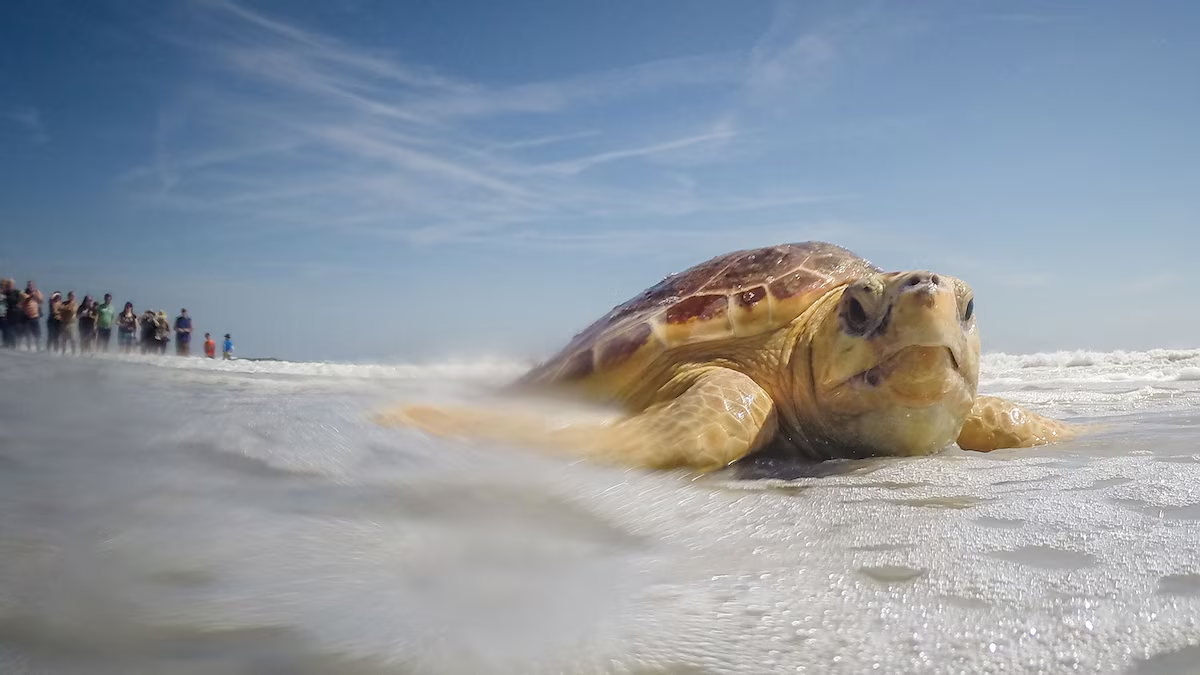
In a devastating blow to wildlife conservation efforts, a stray dog has been blamed for the massacre of 23 newly hatched sea turtles on a beach in Atlantic Beach, Florida. This incident, which occurred just hours after the vulnerable hatchlings emerged from their nest, highlights the fragile balance between human activities, pets, and protected species. Sea turtles, already facing numerous threats from habitat loss to climate change, now add unleashed animals to their list of perils.
As nesting season continues along Florida’s coasts, this tragedy serves as a stark reminder of the need for vigilance and responsibility among beachgoers. Officials from the Beaches Sea Turtle Patrol and the Atlantic Beach Police Department have issued urgent calls for pet owners to adhere to leash laws, emphasizing that such preventable acts can have irreversible impacts on endangered populations. The event unfolded on a seemingly ordinary morning, but its repercussions echo far beyond the sandy shores, prompting discussions on wildlife protection and community involvement.
The Heartbreaking Incident in Atlantic Beach
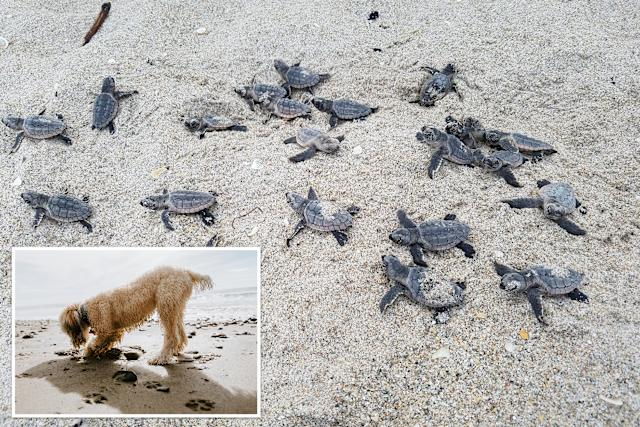
The scene was one of horror for volunteers from the Beaches Sea Turtle Patrol as they conducted their routine morning survey along the shores of Atlantic Beach. What should have been a moment of celebration—the successful hatching of a sea turtle nest—turned into a nightmare when they discovered the mutilated remains of 23 tiny hatchlings scattered across the sand.
These baby turtles, no larger than a few inches, had just broken free from their eggs buried deep in the nest, instinctively making their way toward the ocean under the cover of dawn. Tragically, their journey was cut short by an unleashed dog that officials believe wandered onto the beach unchecked. According to reports from the patrol group, the attack likely happened in the early hours when the beach was deserted, allowing the dog free reign to dig up and assault the emerging hatchlings.
Eyewitness accounts and evidence at the site pointed unmistakably to canine involvement: paw prints littered the area around the nest, and the injuries on the turtles were consistent with bites and mauling by a dog. The nest, located near Second Street, had been monitored for weeks as part of ongoing conservation efforts. Volunteers had marked it with stakes and tape to alert the public, but these precautions proved insufficient against a roaming animal.
Atlantic Beach, a coastal community in North Florida known for its pristine beaches and commitment to environmental stewardship, is no stranger to sea turtle nesting. From May through October, loggerhead, green, and leatherback turtles come ashore to lay their eggs, entrusting the next generation to the sands. This particular nest was one of many in the area, with the patrol estimating that hundreds of nests are active along the Duval County beaches each season.
The loss of 23 hatchlings might seem small in the grand scheme, but for species where survival rates are already perilously low—only about one in 1,000 hatchlings reaches adulthood—every life counts. The dog responsible remains at large, described by authorities as a stray based on initial investigations. No owner has come forward, and the animal was not collared or microchipped, complicating efforts to trace it. In response, the Atlantic Beach Police Department has ramped up patrols and encouraged residents and visitors to report any sightings of loose dogs on the beach.
Read : Bizarre ! Pilot Crashes Plane While Trying to Dodge Turtle on a North Carolina Runway
Photographs of suspicious animals are being requested to aid in identification and prevention. This incident isn’t isolated; similar events have been reported in other coastal areas, where domestic pets inadvertently become predators to wildlife. The emotional toll on the volunteers is palpable, with one patrol member describing the discovery as “heartbreaking,” a sentiment echoed across social media and local news outlets.
Read : More Than 10,000 Sea Turtle Eggs Rescued from Mexico’s Beach Ahead of Hurricane Beryl
As details emerged, the community rallied in shock and sorrow. Local residents expressed outrage, with many sharing stories of their own encounters with unleashed dogs disrupting beach ecosystems. The Beaches Sea Turtle Patrol, a volunteer organization dedicated to monitoring and protecting nests, used the tragedy to educate the public.
In a statement, they urged everyone to give the hatchlings “a fighting chance” by keeping pets leashed and respecting protected areas. The timing couldn’t be worse, as nesting season peaks, and more hatchlings are expected to emerge in the coming weeks. This event underscores the vulnerability of these ancient creatures, who have navigated oceans for millions of years, only to face modern threats on their natal beaches.
The Plight of Sea Turtles: Conservation Challenges
Sea turtles have long been symbols of resilience and mystery, but their populations are in dire straits worldwide. In Florida, which hosts one of the largest nesting aggregations in the United States, species like the loggerhead turtle are listed as threatened under the Endangered Species Act. The recent dog attack in Atlantic Beach amplifies the myriad challenges these animals face, from natural predators to human-induced hazards. Hatchlings, in particular, are incredibly fragile; their soft shells offer little protection, and their small size makes them easy targets for birds, crabs, and now, apparently, domestic dogs.
Conservationists point out that sea turtle survival is a numbers game. Females lay clutches of 100 to 120 eggs per nest, but predation, erosion, and disorientation from artificial lights whittle down the odds. In this case, the entire clutch was compromised, with only a fraction of the hatchlings managing to escape the dog’s rampage. Experts from organizations like the Florida Fish and Wildlife Conservation Commission estimate that such incidents, while rare, contribute to overall population declines.
Climate change exacerbates the issue, with rising sea levels eroding nesting beaches and warmer sands skewing sex ratios toward females, potentially disrupting breeding dynamics. Beyond immediate threats, habitat degradation plays a significant role. Development along Florida’s coastline has fragmented nesting sites, forcing turtles into smaller, more vulnerable areas.

Pollution, including plastic debris that hatchlings mistake for food, further endangers them once they reach the water. The Atlantic Beach incident brings attention to an often-overlooked factor: the intersection of pets and wildlife. Dogs, even well-intentioned ones, can wreak havoc if not controlled. In protected areas, leash laws are in place precisely to mitigate these risks, yet enforcement remains a challenge in expansive beachfronts.
Volunteers and scientists have been working tirelessly to bolster sea turtle numbers. Programs like the Beaches Sea Turtle Patrol involve daily nest inventories, where teams document emergences, count hatchlings, and relocate nests threatened by tides or human activity. Success stories abound—last year alone, thousands of hatchlings made it to the sea thanks to these efforts. However, setbacks like this dog attack remind us of the fragility of progress.
Research shows that consistent protection can lead to population rebounds; for instance, loggerhead nesting has increased in some Florida regions due to decades of conservation work. The broader ecological impact cannot be ignored. Sea turtles play crucial roles in marine ecosystems, grazing on seagrasses to maintain healthy beds that support fish populations and prevent coastal erosion.
Their eggshells enrich beach nutrients, fostering dune vegetation. Losing 23 hatchlings might seem minor, but multiplied across incidents, it chips away at these benefits. Community education is key, with patrols hosting workshops on turtle-friendly practices, such as using red-filtered lights to avoid disorienting hatchlings and cleaning up beach litter. This tragedy has sparked renewed interest in these initiatives, with locals pledging to be more proactive in safeguarding their coastal treasures.
Calls for Action: Preventing Future Tragedies
In the wake of the Atlantic Beach massacre, authorities and conservation groups are amplifying calls for stricter adherence to beach regulations. The Atlantic Beach Police Department has reiterated the importance of leash laws, noting that dogs must be kept on a leash no longer than 16 feet at all times on public beaches. Violations can result in fines, and in cases involving protected wildlife, more severe penalties under federal laws protecting endangered species. The message is clear: responsible pet ownership is not just courteous—it’s essential for coexistence with nature.
To prevent similar occurrences, several measures are being proposed and implemented. Enhanced signage around nesting sites will warn visitors of active nests and the consequences of disturbances. Patrols are increasing their presence during peak hatching times, from dusk to dawn, when turtles are most active. Technology, such as motion-activated cameras, could be deployed to monitor high-risk areas, providing evidence for enforcement. Community involvement is encouraged, with apps and hotlines for reporting unleashed dogs or suspicious activity.
Education campaigns are ramping up, targeting both residents and tourists. Schools in the area are incorporating sea turtle conservation into curricula, teaching children about the life cycle and threats to these creatures. Pet owners are being urged to train their dogs to avoid wildlife and to use designated dog-friendly beaches where impacts are minimized. The Beaches Sea Turtle Patrol is partnering with local veterinarians to promote microchipping and responsible ownership, hoping to reduce the number of strays.
On a legislative front, advocates are pushing for stronger protections. While current laws prohibit interfering with sea turtle nests, there’s a call for increased funding for enforcement and research. Florida’s state wildlife agency is collaborating with federal partners to track population trends and respond to threats. Success in other states, like Georgia’s barrier islands where dog restrictions have led to higher hatchling survival rates, serves as a model.
Ultimately, this eco-tragedy is a catalyst for change. By fostering a culture of respect and awareness, communities like Atlantic Beach can turn grief into action. As nesting season continues, every beachgoer has a role in ensuring that future hatchlings reach the sea safely. The loss of these 23 lives is a poignant reminder that our actions—or inactions—have profound consequences on the natural world. Through collective effort, we can honor their memory by protecting the generations to come.