
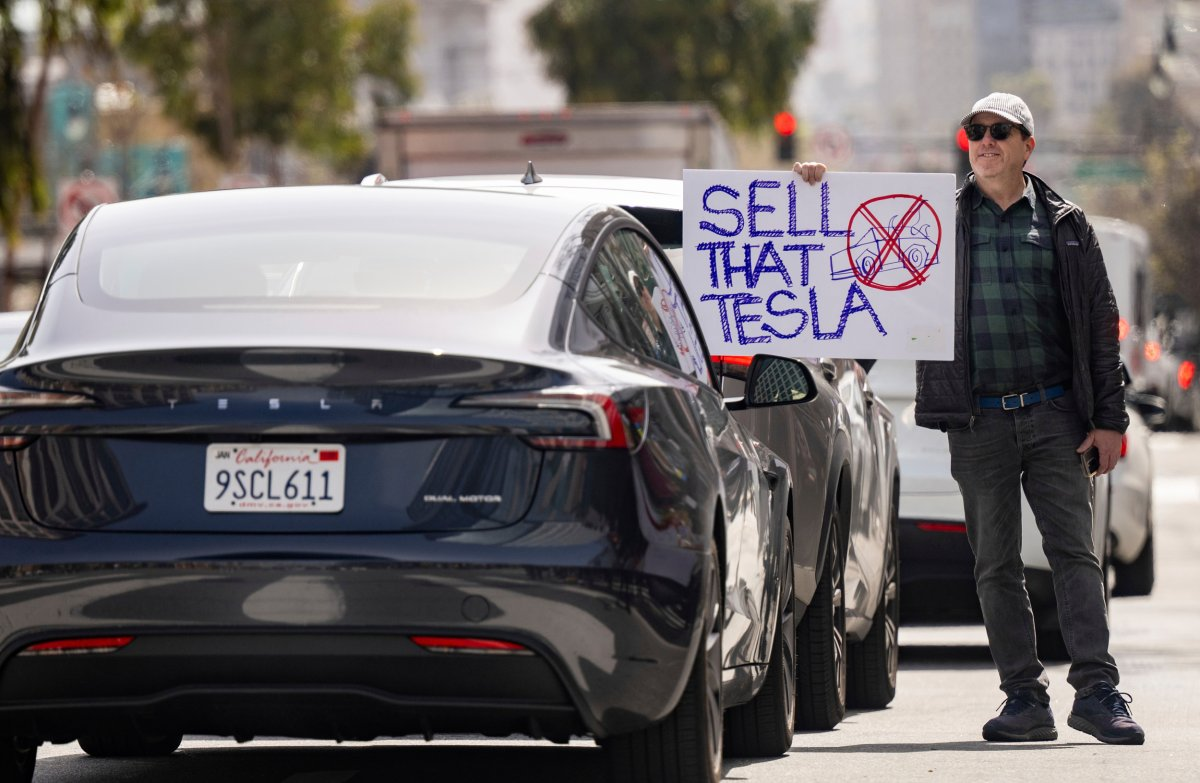
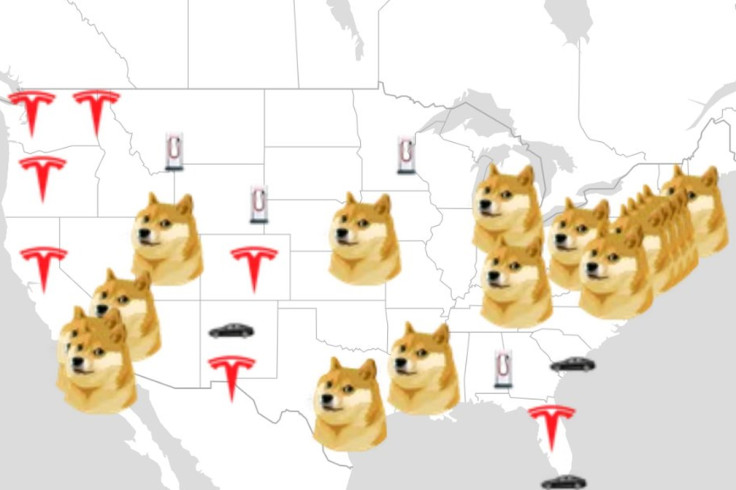
A controversial website called “Dogequest” has recently emerged, causing widespread concern over privacy and security among Tesla owners. The site reportedly publishes the personal details of Tesla owners across the United States, including names, addresses, and phone numbers, displayed on an interactive map.
The operators of Dogequest claim that they are only willing to remove the information of Tesla owners who can provide proof that they have sold their vehicles. The website’s actions have ignited a heated debate about online privacy, digital activism, and the increasing hostility towards Tesla and its CEO, Elon Musk.
This development comes amid a surge in protests against Musk, with attacks on Tesla properties, including acts of arson at showrooms and service centers.
The website’s design, which features an image of a Molotov cocktail as a cursor, has further raised concerns about potential threats and the encouragement of real-world violence. While the accuracy of the information displayed on Dogequest remains uncertain, the presence of personal data has left many Tesla owners worried for their safety.
The Controversy Surrounding Dogequest And Its Intentions
Dogequest describes itself as a platform designed to connect Tesla owners and provide an interactive map of what it calls “DOGE landmarks.” However, the site’s true purpose appears to be far more concerning.
The operators openly admit that the platform serves as a tool for targeted exposure, allowing users to access private information about Tesla owners under the guise of a digital protest against Musk.
Critics argue that the website is a blatant example of doxxing, the malicious act of publicly sharing private or identifying information to encourage harassment or violence.
The presence of sensitive personal details, including home addresses and contact numbers, has left many individuals vulnerable to potential threats. Several Tesla owners featured on the site have expressed deep concerns about their safety, particularly in light of recent violent attacks on Tesla properties.
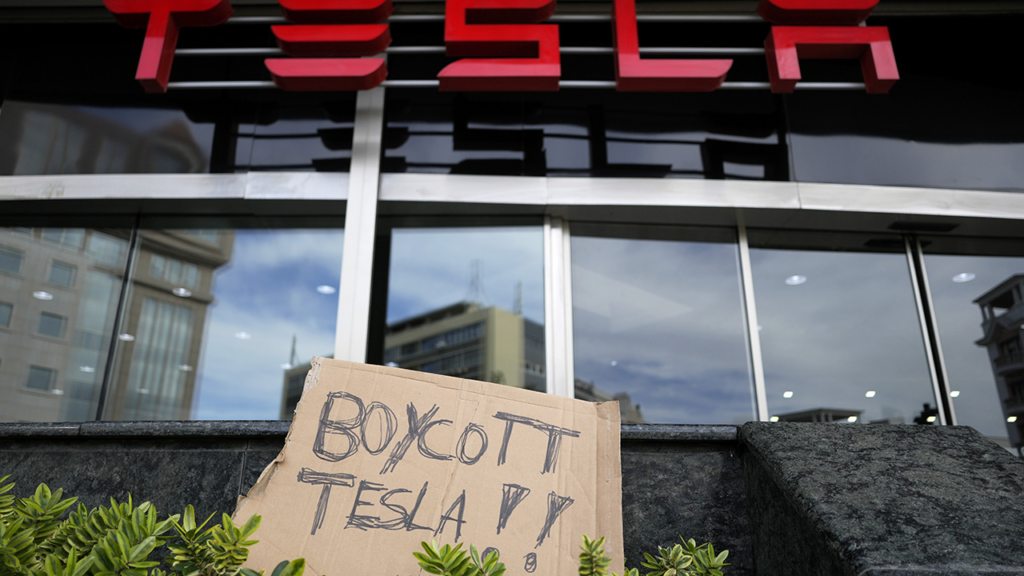
One Tesla owner, whose information was included on Dogequest, spoke about their fears regarding the exposure. They revealed that they had purchased their Tesla in 2013, long before Musk’s political affiliations became a point of contention.
Read : Several Tesla Vehicles Shot and Set on Fire by Man in Black Outfit at a Repair Facility in Las Vegas
Despite sharing similar political views with the site’s creators, they condemned the website for its potential to endanger individuals who may have no direct connection to Musk.
“I lived through GamerGate and know how scary it is for women in particular to be doxxed,” the individual stated. “I understand that the website is anti-Elon, as am I, but I fear that this type of website and in particular, the presence of my full name and home address can be a physical threat to me and my family.”
Violent Attacks On Tesla Properties And Rising Tensions
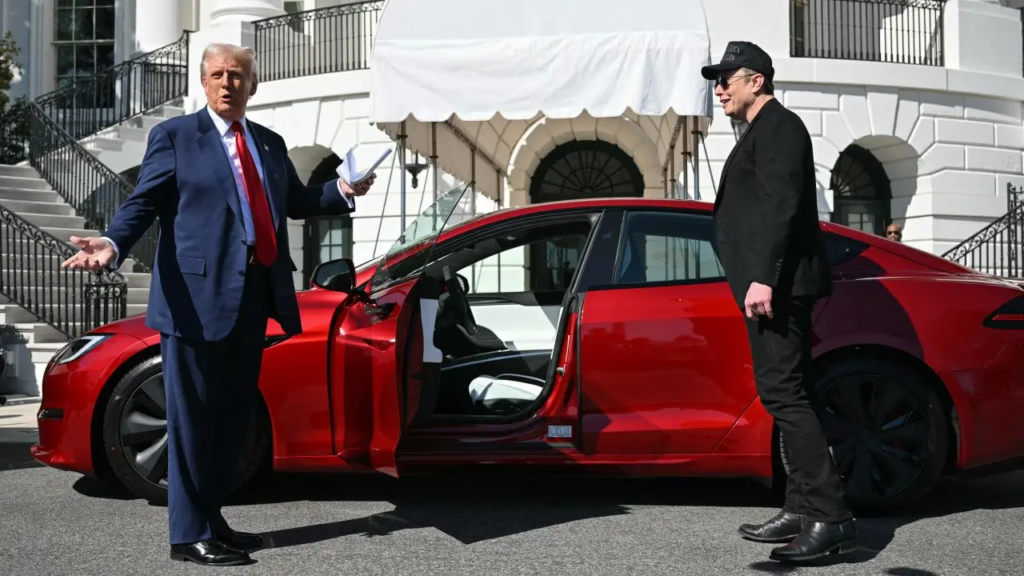
The emergence of Dogequest coincides with a series of attacks on Tesla dealerships, service centers, and vehicles across the country. These incidents appear to be driven by opposition to Musk’s leadership and his ties to the administration of President Donald Trump. In Las Vegas, several Teslas were set on fire at a dealership, adding to growing concerns about targeted violence against the company.
Musk responded to the escalating attacks with a statement on X, formerly known as Twitter, condemning the violence. “This level of violence is insane and deeply wrong. Tesla just makes electric cars and has done nothing to deserve these evil attacks,” Musk wrote.
Attorney General Pam Bondi also addressed the attacks, labeling them as acts of domestic terrorism. “The swarm of violent attacks on Tesla property is nothing short of domestic terrorism,” Bondi stated.
“The Department of Justice has already charged several perpetrators with that in mind, including in cases that involve charges with five-year mandatory minimum sentences.” The growing hostility towards Tesla and Musk has sparked debate about the nature of protest and the ethical boundaries of activism.
While some argue that Dogequest is a form of digital resistance against a controversial billionaire, others believe that it crosses a dangerous line by putting innocent individuals at risk. The ongoing attacks on Tesla properties and the rise of targeted online harassment have only heightened concerns about the potential for further violence.
Legal Implications And Government Response
The launch of Dogequest has raised serious legal questions about the limits of online speech and the consequences of doxxing. While free speech protections exist under U.S. law, the deliberate exposure of private individuals’ personal information for potential harassment is a legally and ethically contentious issue.
Law enforcement agencies are now investigating the website, and legal action may be taken against its creators. Attorney General Bondi has made it clear that authorities will take a hard stance against those involved in attacks on Tesla properties, as well as individuals operating behind the scenes to coordinate or fund such actions.
“If you’re going to touch a Tesla, go to a dealership, do anything, you better watch out because we’re coming after you,” Bondi warned during an appearance on Fox Business.
While government officials work to address the growing violence, Tesla owners remain on high alert. Many are now exploring legal options to have their information removed from Dogequest, but the site’s refusal to comply unless they sell their vehicles has made it difficult to take action. Privacy advocates are urging authorities to intervene, citing the risks associated with allowing a website to expose individuals to potential harm.
As tensions continue to rise, the controversy surrounding Dogequest underscores the complex relationship between online activism, corporate criticism, and digital privacy. The line between protest and harassment is increasingly blurred, and the consequences of such actions have the potential to escalate further.
For Tesla owners, Musk supporters, and even those who oppose him, the emergence of this website serves as a troubling reminder of the dangers that come with online exposure and the need for stronger legal protections against doxxing.