
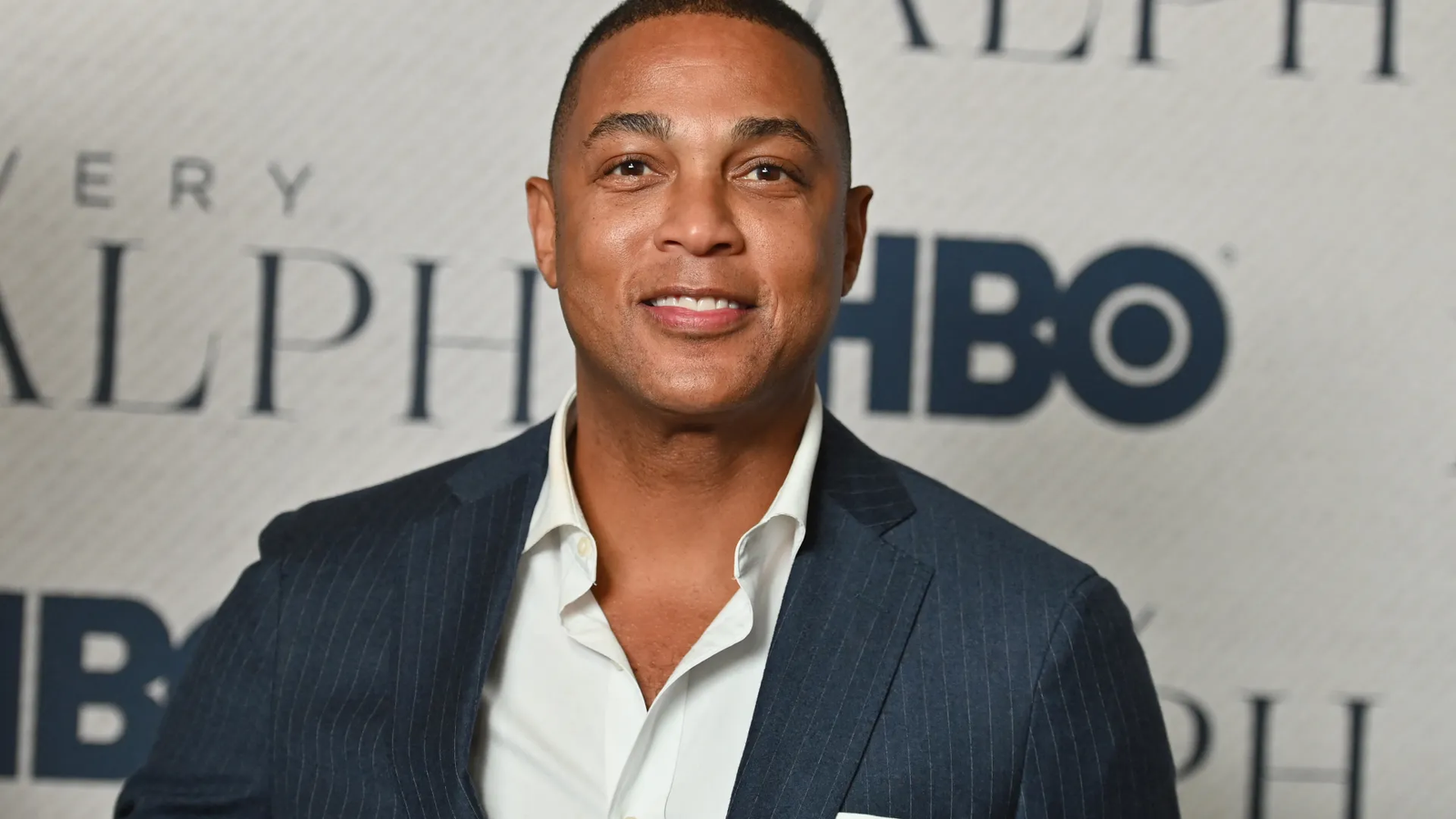
Don Lemon, one of the most recognizable figures in American television journalism over the past two decades, now finds himself at the center of a high-profile federal criminal case that has reignited debates over press freedom, protest coverage, and the limits of the First Amendment. Lemon, a former CNN anchor who has reinvented himself as an independent media figure, was arrested by federal authorities in Los Angeles following his alleged involvement in a protest that disrupted a church service in St. Paul, Minnesota.
Federal prosecutors argue that Lemon crossed the line from observer to participant, while Lemon and his supporters maintain that he was engaged in constitutionally protected newsgathering. The case has drawn condemnation from press freedom organizations, civil rights advocates, and elected officials, and could carry far-reaching implications for journalists covering demonstrations in politically charged environments.
Don Lemon’s arrest stems from a January 18 protest at Cities Church in St. Paul, where demonstrators opposed to Immigration and Customs Enforcement entered the church during a service. Lemon and independent journalist Georgia Fort were livestreaming the event when congregants were confronted and the service was interrupted.
While prosecutors allege the protest amounted to a coordinated effort to intimidate worshippers and violate federal law, Lemon has vowed to fight the charges vigorously, framing the case as an unprecedented attack on press freedom in the United States.
From Broadcast News Star to Independent Journalist
Don Lemon built his public profile during a long career in broadcast journalism, most notably at CNN, where he served as an anchor and commentator for nearly two decades. Known for his direct style and willingness to address controversial topics, Lemon became a prominent voice on issues ranging from racial justice and policing to politics and media accountability. His prime-time programs often blended traditional reporting with opinionated commentary, making him both influential and polarizing.
Lemon’s tenure at CNN came to an end in 2023, following a series of internal controversies and public scrutiny over on-air remarks. After his departure, Lemon shifted away from traditional network television and launched his own independent media operation, distributing content primarily through YouTube and other digital platforms. This transition placed him among a growing number of journalists who operate outside established newsrooms, relying on direct audience engagement rather than institutional backing.
As an independent journalist, Lemon has continued to cover national politics, protests, and cultural flashpoints, often emphasizing the role of the press in holding those in power accountable. He has repeatedly described himself as a journalist first, even when reporting from emotionally charged or confrontational settings. That distinction now sits at the heart of the government’s case against him.
My first remarks since being arrested last night. pic.twitter.com/vbnw3a7PqS
— Don Lemon (@Donlemonbsky) January 30, 2026
According to federal prosecutors, Lemon’s actions at the Minnesota church went beyond documentation. The indictment alleges that he participated in planning the protest, attended a “pre-operation briefing,” and actively obstructed congregants during the disruption. Prosecutors argue that these actions disqualify him from First Amendment protections typically afforded to journalists. Lemon, however, has consistently maintained that he was present solely to document events as they unfolded, a claim he made repeatedly during his livestream of the protest.
The Arrest, Charges, and Legal Stakes
Lemon was arrested late at night in a Beverly Hills hotel lobby, where he had been staying while covering the Grammy Awards. The arrest involved more than two dozen agents from Homeland Security Investigations and the FBI, an operation that Lemon’s legal team described as startling and disproportionate. Lemon reportedly believed he was being mugged when agents approached him, underscoring the unexpected nature of the arrest.
He was taken into custody and later appeared in federal court in Los Angeles, where prosecutors described the case as involving a “very serious felony.” Lemon was released on his own recognizance, with conditions including no contact with witnesses or co-defendants and restrictions on foreign travel without court approval. A previously planned trip to Europe in June was approved by the judge, and Lemon’s next court appearance is scheduled in Minneapolis on February 9.
Read : BBC News Anchor Maryam Moshiri Goes Viral Again for Dramatic Paper-Throwing Bulletin Sign-Off
The unsealed grand jury indictment charges Lemon with two federal crimes: conspiracy to violate constitutional rights and violation of the Freedom of Access to Clinic Entrances (FACE) Act. While the FACE Act is most commonly associated with protecting access to abortion clinics, it also applies to places of religious worship, prohibiting the use of force, threats, or obstruction to interfere with the free exercise of religion.
Prosecutors allege that Lemon and other participants sought to intimidate church congregants, obstructed exits, and targeted the church’s pastor. They further claim that Lemon encouraged secrecy around the protest’s planning and expressed an intent to make the experience “traumatic and uncomfortable” for worshippers. Lemon’s defense team disputes these allegations, arguing that the government is mischaracterizing journalistic conduct as criminal activity.
Notably, this was not the government’s first attempt to bring charges against Lemon. Earlier efforts to charge him and several others were rejected by a magistrate judge, who cited insufficient evidence. That judge nevertheless encouraged prosecutors to seek a grand jury indictment, which they ultimately obtained. Lemon has publicly criticized the persistence of federal authorities, framing the case as politically motivated and designed to silence critical voices.
Press Freedom, Political Context, and National Reaction
The arrest of Don Lemon has sparked widespread reaction across the media landscape and beyond. Press freedom organizations, including the Freedom of the Press Foundation and the Committee to Protect Journalists, have warned that the case could set a dangerous precedent for journalists covering protests. They argue that criminalizing newsgathering under expansive legal theories risks chilling reporting on contentious public events.
Read : Anchor Carissa Codel Goes Viral Reading Viewer Comments About Her Appearance in Broadcast Voice
Civil rights advocates and legal experts have similarly questioned the strength of the government’s case. Several analysts interviewed by CNN suggested that prosecutors may struggle to prove intent beyond a reasonable doubt, particularly given Lemon’s repeated statements identifying himself as a journalist during the protest. The distinction between observing and participating, they note, is often nuanced in fast-moving protest environments, and courts have historically been cautious about penalizing journalists for proximity to unlawful conduct.
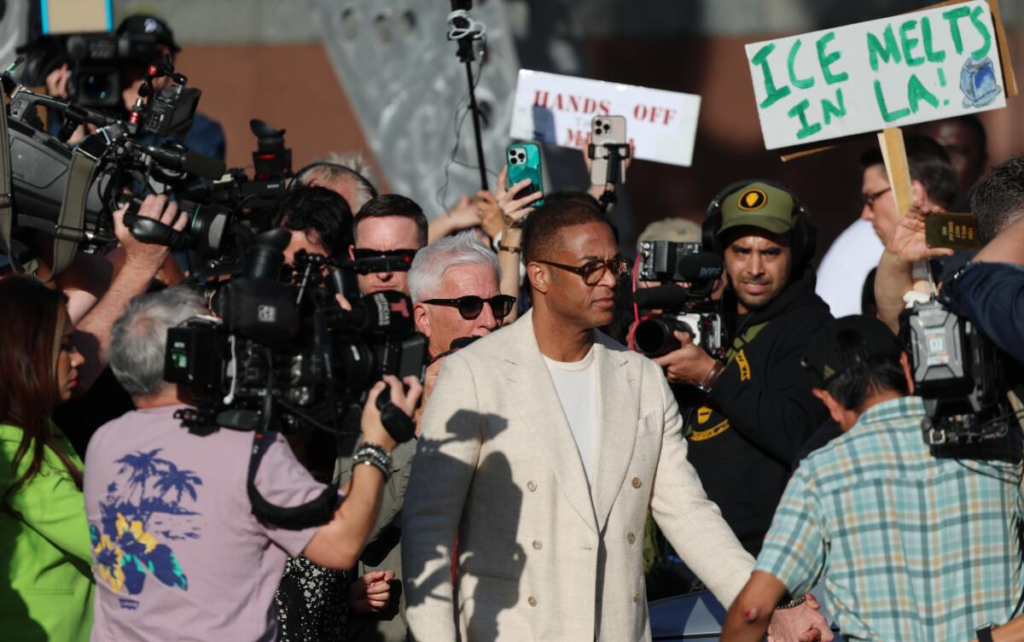
Political reactions have also been swift. Minnesota Attorney General Keith Ellison called the arrests “deeply troubling,” emphasizing that journalists should not be treated as criminals for doing their jobs. CNN, Lemon’s former employer, issued a statement defending him and criticizing the Department of Justice’s repeated attempts to pursue charges, noting that earlier judicial findings found no evidence of criminal behavior in Lemon’s reporting.
The case has unfolded against a broader backdrop of heightened political tension over immigration enforcement, protest movements, and media trust. Critics of the charges argue that the Trump administration is using federal law enforcement to intimidate journalists who cover opposition movements, while supporters of the prosecution contend that journalists should not be exempt from the law when they interfere with others’ constitutional rights.
Georgia Fort, the independent journalist arrested alongside Lemon, has echoed similar defenses, stating that her role was limited to documenting events for the public. Her family has publicly demanded her release, emphasizing her work as a journalist and mother. Fort was also released on her own recognizance and has framed her arrest as part of a broader pattern of hostility toward independent media.
For Lemon, the case represents both a personal and professional crossroads. Having already navigated the transition from network television to independent journalism, he now faces the prospect of a federal trial that could further redefine his public role. He has remained defiant, insisting that the charges will not deter him from reporting and that the case itself underscores the importance of a free and independent press.
As the legal process moves forward, the outcome of Don Lemon’s case will likely resonate far beyond the individuals involved. At stake are fundamental questions about how journalists can operate in protest settings, where the line between observation and participation lies, and how far the federal government can go in pursuing reporters whose work challenges powerful institutions. Whether the courts ultimately side with prosecutors or the defense, the case has already become a defining moment in the ongoing struggle over press freedom in contemporary America.