
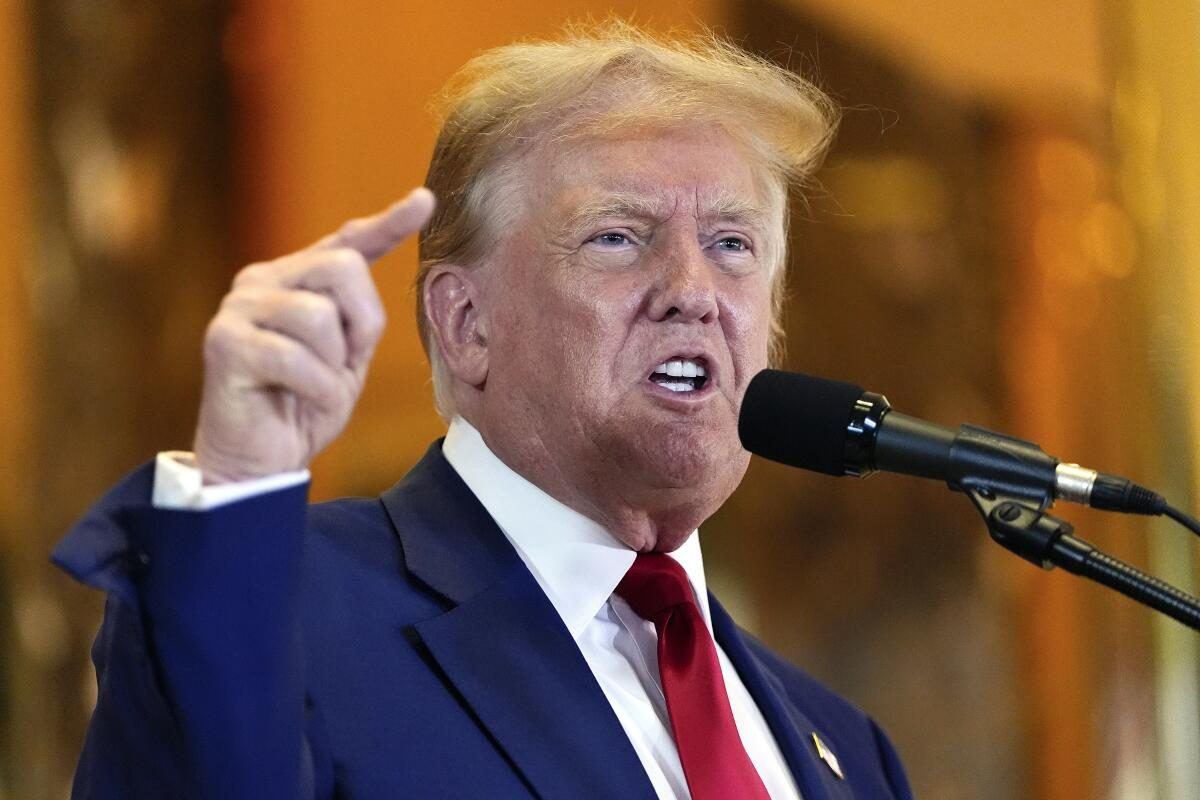
Donald Trump’s recent demand for the immediate release of Israeli hostages taken during the Hamas attack on October 7, 2023, has sent shockwaves through the international community.
The former president’s warning, posted on his Truth Social platform, stated that if the hostages are not released by January 20, 2025—the day he expects to be sworn in for a second presidential term—there will be “HELL TO PAY.”
This bold declaration has added new tension to an already volatile situation in the Middle East, raising questions about the implications for U.S. foreign policy, the ongoing conflict between Israel and Hamas, and the future of American involvement in the region.
Trump’s Message and Its Impact
In his statement, Trump made it clear that he expects the hostages to be released before he takes office, warning that failure to do so would result in unprecedented retaliation: “Those responsible will be hit harder than anybody has been hit in the long and storied history of the United States of America. RELEASE THE HOSTAGES NOW!”
The statement, delivered in typical Trump fashion, was both a plea and a threat, underscoring his willingness to take a hardline stance on the issue.
Trump’s message was met with mixed reactions. In Israel, it was welcomed by many as a sign of strong support. Israeli President Isaac Herzog expressed gratitude, posting on X, “Thank you and bless you Mr. President-elect @realDonaldTrump. We all pray for the moment we see our sisters and brothers back home!” However, the message also raised concerns about the potential for increased tensions and the possibility of military escalation.
Read : Israel Bans Mosques From Using Loudspeakers for Islamic Prayer Calls
The timing of Trump’s statement is significant. It came shortly after the Israeli government confirmed the death of Omer Neutra, a dual U.S.-Israeli citizen whose body is still believed to be held by Hamas.
Read : No One Has Any Idea How Many Israeli Hostages Are Alive: Hamas
This tragic news, coupled with a recent hostage video released by Hamas featuring Edan Alexander, another U.S.-Israeli citizen, has intensified the pressure on both Israel and the international community to secure the hostages’ release.
The Broader Context: The Israel-Hamas Conflict
The October 7 attack by Hamas marked one of the darkest days in Israel’s history. Hamas-led militants stormed into southern Israel, killing around 1,200 people, most of them civilians, and taking approximately 250 hostages. The attack was unprecedented in its scale and brutality, sparking a massive Israeli military response.
Israel’s retaliatory offensive has been equally devastating. According to Gaza’s Health Ministry, at least 44,429 Palestinians have been killed, and vast areas of the enclave have been destroyed.

The conflict has displaced 90% of Gaza’s population, creating a humanitarian crisis of epic proportions. The war has also had a significant impact on regional stability, with violence spilling over into Lebanon and other parts of the Middle East.
In this context, the hostages have become a symbol of the broader conflict. Their fate is intertwined with the larger struggle between Israel and Hamas, and efforts to secure their release have proven to be extremely difficult.
The Biden administration has been working to restart talks between Israel and Hamas, but progress has been slow. According to U.S. officials, Hamas has shown little willingness to engage in negotiations, and the group’s leadership appears more focused on its own survival than on the well-being of Gaza’s civilians.
Implications for U.S. Foreign Policy
Trump’s statement raises important questions about the future of U.S. foreign policy in the Middle East. During his first term, Trump took a decidedly pro-Israel stance, moving the U.S. embassy to Jerusalem and brokering the Abraham Accords, which normalized relations between Israel and several Arab states. His recent remarks suggest that he would take an even more aggressive approach if he were to return to office.
The threat of military action is particularly significant. While Trump did not explicitly state that he would involve the U.S. military, his warning implies a willingness to use force if the hostages are not released. This would mark a significant shift from the Biden administration’s approach, which has focused on diplomacy and humanitarian aid.
Some analysts have expressed concern that Trump’s rhetoric could escalate tensions and undermine ongoing efforts to negotiate a ceasefire.
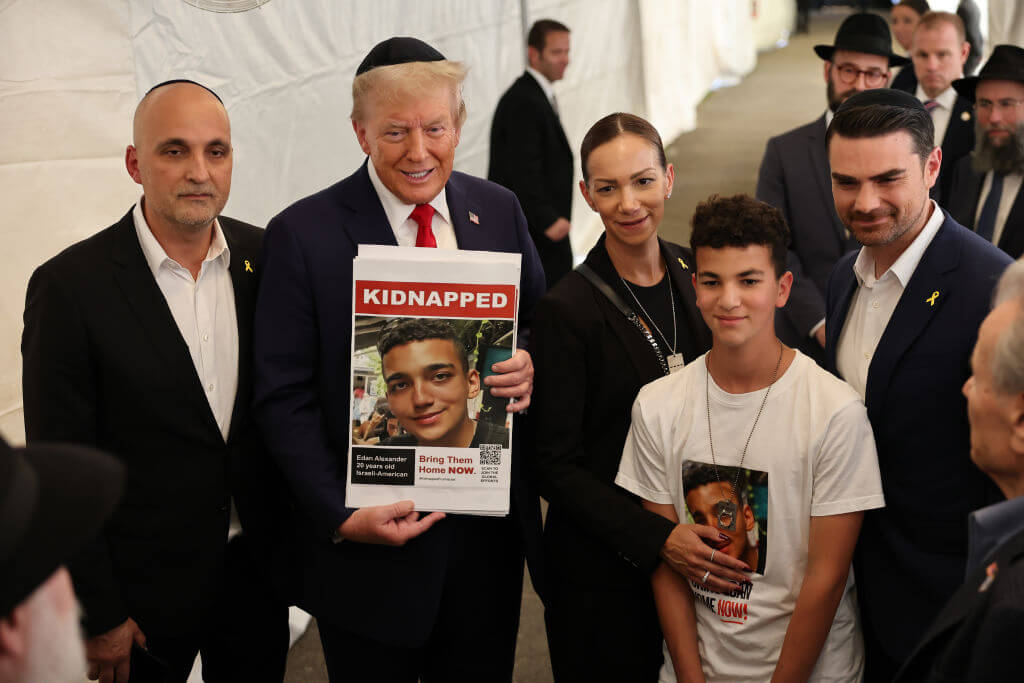
The situation in Gaza is already extremely volatile, and any additional pressure could lead to further violence. On the other hand, Trump’s supporters argue that his tough stance is necessary to secure the hostages’ release and deter future attacks.
The reaction from Israel has been largely positive. Many Israelis see Trump’s statement as a sign of unwavering support. However, there are also concerns about the potential consequences of a more aggressive U.S. policy.
Israel’s government is already under immense pressure to secure the hostages’ release, and the prospect of U.S. military involvement could complicate efforts to negotiate with Hamas.
The demand by Donald Trump for the immediate release of the October 7 hostages has added a new layer of complexity to an already fraught situation. His warning of severe consequences if the hostages are not released by January 2025 reflects both his commitment to Israel and his willingness to take an aggressive stance on foreign policy.
However, it also raises important questions about the future of U.S. involvement in the Middle East and the potential for further escalation.
The Israel-Hamas conflict is one of the most intractable issues in international relations, and the fate of the hostages is a tragic reminder of the human cost of war. As the world watches and waits, the pressure on all parties involved continues to mount.
The coming months will be crucial in determining whether a resolution can be reached—or whether the situation will continue to spiral out of control.