
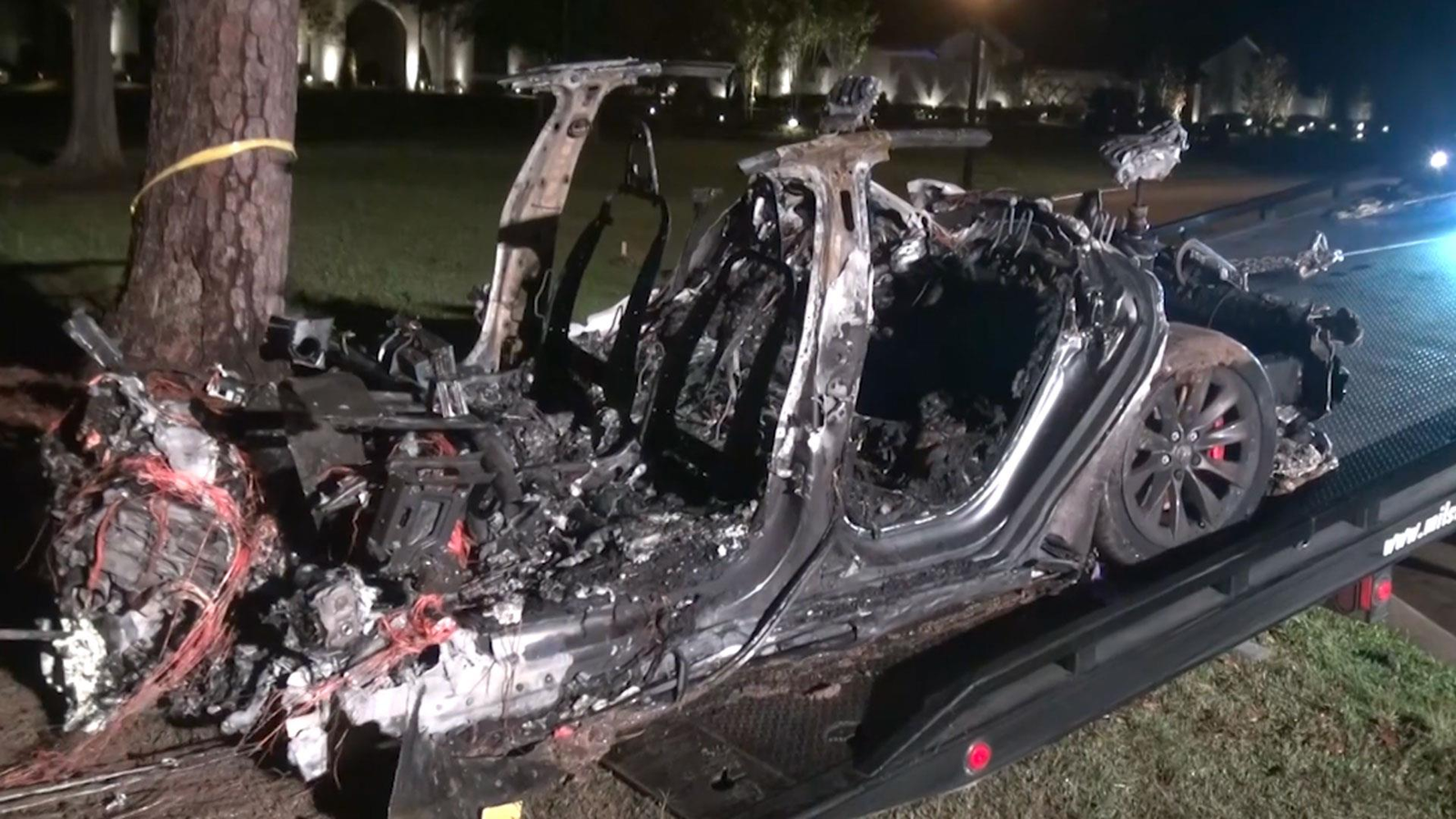
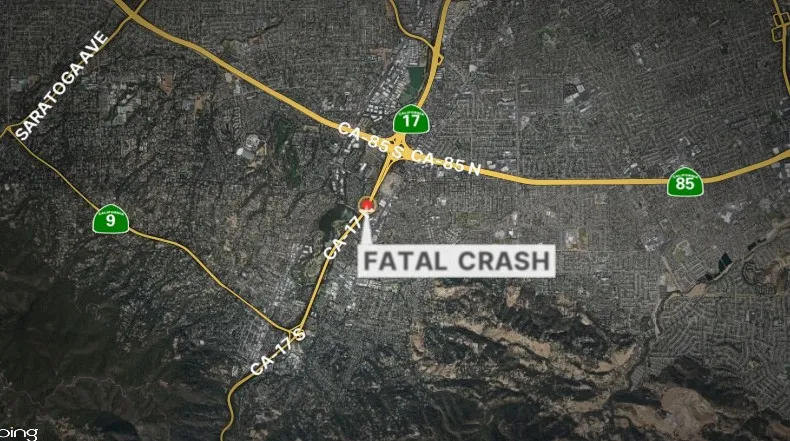
A fatal early-morning crash on Highway 17 has drawn attention to ongoing concerns surrounding high-speed roadway safety, electric vehicle fires, and unanswered questions that often follow single-vehicle accidents. Authorities confirmed that a driver was killed early Friday after their Tesla veered off the roadway, struck a tree, and caught fire south of Lark Avenue. The collision, which occurred shortly after midnight, left investigators working to determine the exact sequence of events that led to the tragedy, while traffic disruptions and emergency response efforts unfolded through the night and into the morning hours.
According to the California Highway Patrol’s San Jose office, the crash happened at approximately 12:26 a.m. The Tesla Model 3, traveling northbound on Highway 17, swerved onto the right shoulder for reasons that remain unclear. The vehicle then continued down an embankment before colliding with a tree. Following the impact, the car became fully engulfed in flames while the driver was still inside. The driver was the sole occupant of the vehicle and was pronounced dead at the scene.
Highway 17, a major route connecting Santa Cruz and the Santa Clara Valley, is known for its winding curves, elevation changes, and heavy traffic. Accidents along this stretch are not uncommon, particularly during late-night and early-morning hours when visibility can be reduced and traffic enforcement is limited. Friday’s incident adds to a series of fatal crashes in the broader Bay Area that have occurred in recent weeks, underscoring the persistent risks faced by motorists even outside peak travel times.
Details of the Crash and Emergency Response
Officer Alicia Moreno of the California Highway Patrol provided initial details about the collision, explaining that the vehicle left the roadway for an unknown reason before descending the embankment. Investigators have not yet determined whether mechanical issues, driver error, road conditions, or other factors contributed to the Tesla’s sudden movement onto the shoulder.
Once the vehicle struck the tree, the impact was severe enough to trigger a fire that rapidly engulfed the car. Fires involving electric vehicles can present unique challenges for first responders due to the nature of lithium-ion batteries, which can burn intensely and are difficult to extinguish completely. Emergency crews responded to the scene, but the driver could not be rescued.
Firefighters worked to contain the blaze and secure the area, while CHP officers closed lanes of Highway 17 to allow for emergency operations and the initial investigation. The closures caused temporary traffic disruptions, though all lanes were reopened by Friday morning once the scene was cleared and it was deemed safe for travel.
Read : Optimus Robot Could Drive Tesla’s Valuation to $25 Trillion
Authorities have not released information about the speed of the vehicle at the time of the crash, nor have they confirmed whether the driver attempted any evasive maneuvers before leaving the roadway. Skid marks, vehicle debris, and damage to the surrounding area are being examined as part of the ongoing investigation. Officers are also reviewing whether environmental factors such as lighting conditions, roadway signage, or the condition of the shoulder and embankment may have played a role.
Investigation into Possible Contributing Factors
At this stage, investigators have stated that it is not yet known whether drugs or alcohol were factors in the collision. Toxicology results, if conducted, typically take time to process and are often released as part of a coroner’s report rather than during the initial phases of an investigation. Authorities have also not determined whether the Tesla’s autonomous or driver-assist features were engaged at the time of the crash.
Read : 41-Year-Old Alix Mari Sparks Killed After Drunk Indian-Origin Man Crashes Tesla Into Her SUV
Tesla vehicles, including the Model 3, are equipped with various advanced driver-assistance systems designed to support drivers under certain conditions. However, officials routinely emphasize that these systems do not replace the need for active human control and attention. Determining whether any automated features were in use can require analysis of vehicle data, which may involve cooperation with the manufacturer.
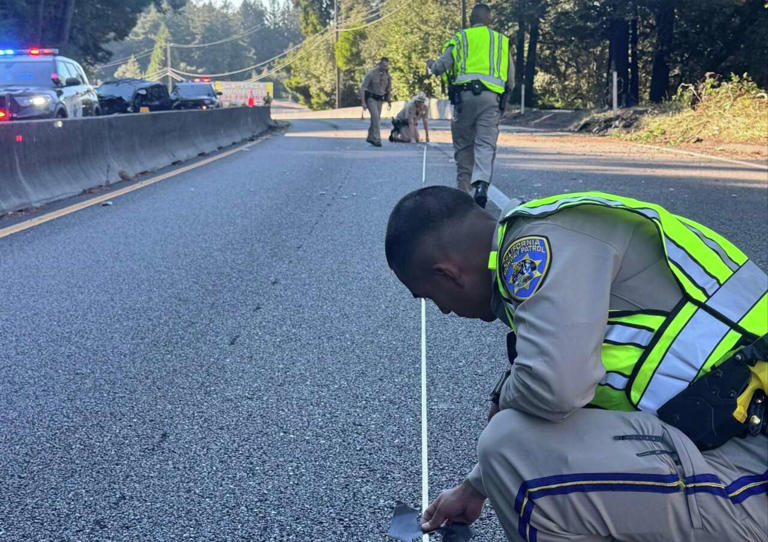
The cause of the fire is also under examination. While electric vehicle fires remain statistically less frequent than fires involving gasoline-powered cars, they tend to attract significant attention due to their intensity and the complexities involved in extinguishing them. Investigators will assess whether the fire was directly caused by battery damage from the impact or if other components of the vehicle contributed.
Highway 17’s design and history are likely to be part of the review process. The roadway has long been recognized as challenging due to its narrow lanes, sharp curves, and limited shoulders in certain areas. Past safety improvements have been made along the corridor, but serious and fatal crashes continue to occur. Whether additional measures could reduce the likelihood of similar incidents in the future may become part of broader discussions among transportation and safety officials.
Victim Identification and Broader Context
The identity of the driver has not yet been released. The Santa Clara County Coroner’s Office will confirm the individual’s name and notify next of kin before making that information public. This process can take several days, depending on the availability of records and the ability to reach family members.
The fatal crash comes amid a series of recent traffic-related deaths across the Bay Area, including incidents involving pedestrians, scooters, and hit-and-run cases. While each case has its own circumstances, collectively they highlight ongoing challenges in roadway safety for drivers and vulnerable road users alike.
In this case, the investigation remains active, and authorities are urging anyone who may have witnessed the crash or observed the vehicle prior to the collision to come forward with information. Even seemingly minor details, such as the vehicle’s speed, lane position, or behavior moments before leaving the roadway, can assist investigators in reconstructing what happened.
As the inquiry continues, officials have reiterated the importance of cautious driving, particularly during late-night hours when fatigue, reduced visibility, and lower traffic volumes can create a false sense of security. Highway 17, despite being a well-traveled route, demands constant attention due to its layout and conditions.
The reopening of all lanes Friday morning marked the end of immediate disruptions, but questions surrounding the crash remain unanswered. Investigators will continue analyzing evidence, vehicle data, and any available witness accounts to determine the factors that led to the fatal collision. The findings may not only provide clarity for the victim’s family but also contribute to broader efforts aimed at understanding and preventing similar tragedies on California’s roadways.