
A tragic incident in southern China has drawn significant attention as a man who drove his car into a crowd outside a primary school was handed a suspended death sentence.
This violent act, which left dozens injured, reflects broader societal concerns over mounting public discontent and an increase in violent attacks.
The Incident and Sentencing
On November 19, a horrifying act unfolded outside a primary school in Changde city, Hunan province. Huang Wen drove his car into a crowd, injuring 30 people, including 18 young students. The violent episode didn’t end there; after the crash, Huang emerged from his vehicle and began attacking bystanders with a weapon before being subdued.
Chinese authorities responded swiftly to the incident, and Huang was arrested on the spot. A court in Changde sentenced him to death with a two-year reprieve, a decision that allows for the penalty to be commuted to life imprisonment based on his conduct during this period.
The court described Huang’s actions as “despicable” and motivated by “extreme malice,” stating he targeted innocent children to vent his frustrations stemming from personal and financial struggles.
Read : China Breaks a Space Record as Two Astronauts Spend Nine Hours Outside Space Station
The attack was captured in videos that circulated online, showing panicked children fleeing into the schoolyard and injured individuals lying on the ground. However, these images were rapidly removed from social media, reflecting strict censorship in such sensitive cases.
A Rise in Public Violence
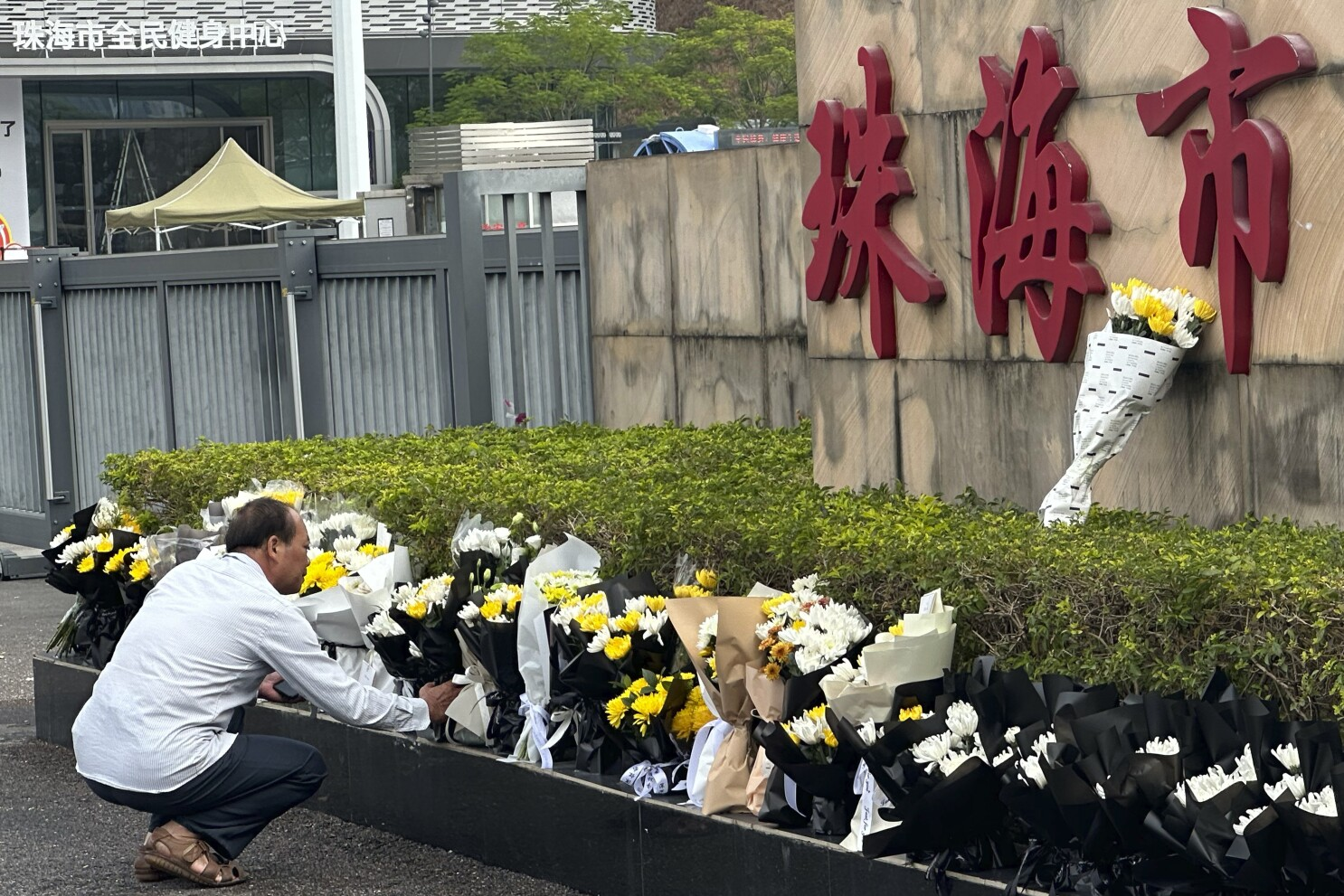
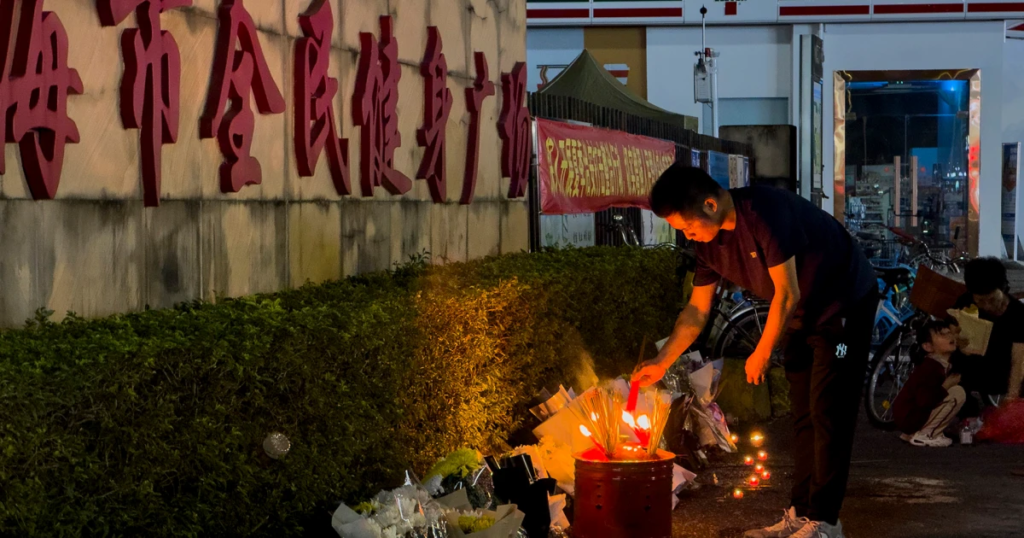
Huang’s attack is one of several alarming violent incidents in China in recent months. A week prior to the Changde tragedy, a 62-year-old man in Zhuhai plowed his car into crowds exercising at a sports center, killing 35 people in what was described as China’s deadliest attack in a decade. The suspect reportedly acted out of frustration over a divorce settlement.
Read : “Elon Is Going to Be the Biggest Loser”: Entrepreneur’s Advice to Musk Choosing China Over India
Another shocking event occurred on November 16, when eight people were killed and 17 others injured in a mass stabbing at a college campus in eastern China. These incidents highlight a troubling pattern of seemingly random violence targeting the public, including vulnerable groups like children.

Such acts are particularly unsettling in a society long accustomed to low violent crime rates and extensive surveillance. As these episodes mount, citizens have taken to social media to share concerns and warnings about the increasing desperation and instability in their communities. Some have characterized these attacks as acts of “revenge against society,” a grim reflection of growing tensions.
Societal and Government Response
The surge in violence has coincided with economic challenges that have strained the Chinese public. High youth unemployment, a struggling property sector, and diminished consumer confidence have fueled discontent.
Despite government efforts to stimulate the economy, such as introducing new policies and measures, many experts argue these initiatives fall short of addressing the root causes of economic stagnation.
The Chinese leadership has expressed deep concern over the recent spate of attacks. President Xi Jinping called for proactive measures to “prevent risks at the source” and resolve conflicts to avoid similar tragedies. China’s judiciary has also emphasized swift and severe punishments for violent crimes, particularly those endangering students.
Authorities have pledged to enhance security measures around schools and public spaces. The country’s top prosecutor has vowed to uphold a “zero-tolerance” policy for crimes threatening public safety. However, questions remain about how effectively these measures can address the underlying issues driving individuals to commit such acts.
The sentencing of Huang Wen underscores the seriousness with which Chinese authorities are addressing violent attacks. Yet, the increasing frequency of these incidents signals deeper societal challenges that extend beyond law enforcement.
As China grapples with economic uncertainties and rising public frustration, the government faces mounting pressure to not only maintain order but also address the root causes of unrest.