
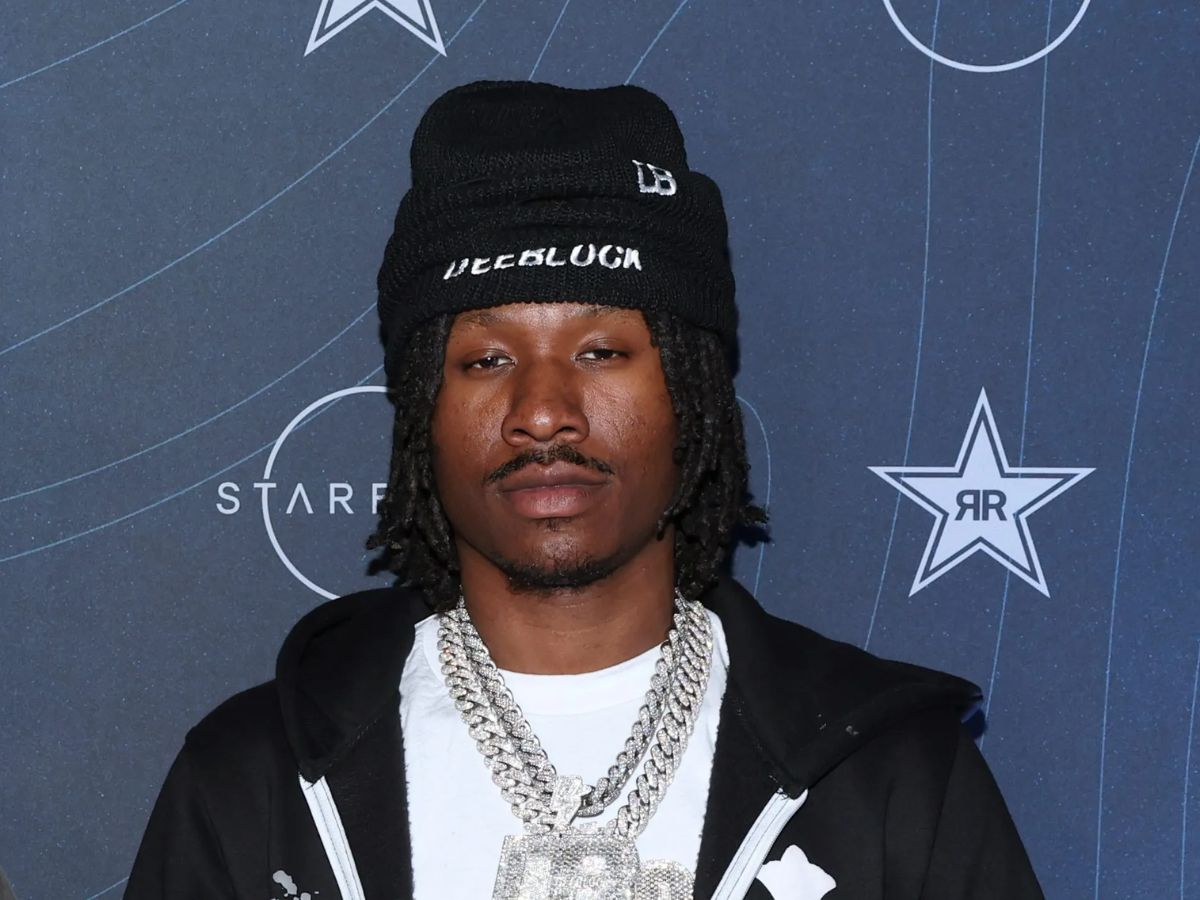
On August 3, 2025, popular YouTuber and Twitch streamer Duke Dennis found himself at the center of a dramatic and unexpected incident. While filming a game of hide-and-seek with fellow AMP member Kai Cenat at The Shops at La Cantera in San Antonio, Texas, the online star was arrested in front of shocked fans and mallgoers.
The incident quickly spread across social media, with clips showing Duke Dennis handcuffed on the floor as law enforcement officers surrounded him. With confusion swirling about the circumstances leading to the arrest, fans are demanding answers and debating whether the situation was an overreaction or the result of recklessness.
This incident has raised serious questions about how content creators navigate public spaces, how law enforcement responds to their presence, and the potential consequences of filming in busy areas like shopping malls without permission. While Dennis remains in custody and has not released a public statement, the footage, legal background, and public response offer significant insight into what unfolded.
The Arrest at The Shops at La Cantera
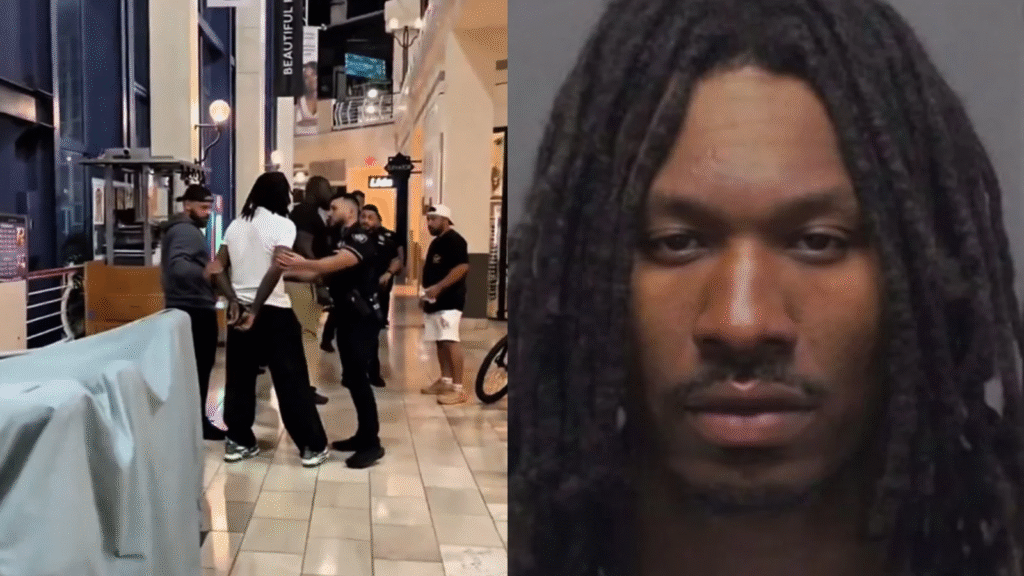
The now-viral video clip paints a chaotic yet oddly composed scene. Duke Dennis, 31, sits on the floor of the popular outdoor shopping center, handcuffed and surrounded by several uniformed police officers. Kai Cenat, another major Twitch streamer and YouTuber with millions of followers, is seen filming the arrest from an upper level.
The footage captures a mixture of confusion, curiosity, and concern as bystanders observe the situation. The stark contrast between the casual environment of the mall and the seriousness of the arrest created a surreal spectacle that quickly caught fire on social media platforms like X (formerly Twitter), TikTok, and Instagram.
The San Antonio Police Department later confirmed that Dennis, whose real name is Denzel Dennis, was arrested on two charges: criminal trespassing and evading arrest. According to Texas Penal Code 30.05, criminal trespass involves entering or remaining on a property without permission or refusing to leave when asked.
Meanwhile, evading arrest under Penal Code 38.04 refers to a person fleeing from law enforcement who is attempting to detain them. Depending on the circumstances, evading arrest can even be charged as a felony, especially if a vehicle is involved or if the individual has prior convictions.
Wait Duke Dennis really got arrested for playing hide and seek in a mall? 😭 sitting on the ground in cuffs like that is bad looks too bruh 💀 pic.twitter.com/ndua0lBsTD
— percy (@relentlessbihh) August 3, 2025
The charges suggest that Dennis either remained in the shopping mall despite being asked to leave or attempted to flee from officers when approached. While exact details from the police report have not been publicly released, some witnesses have claimed that the AMP crew was running through various parts of the shopping center filming a hide-and-seek game, possibly alarming staff or security who were unaware of the nature of the filming.
Content Creation Meets Legal Boundaries
AMP (Any Means Possible), the collective that Duke Dennis and Cenat are part of, is known for their high-energy, often unpredictable content that combines real-life challenges, public events, and live streams. Their loyal fan base often flocks to wherever they film, turning ordinary locations into impromptu arenas of excitement.
However, this popularity can also bring complications, particularly when it comes to filming in private or commercial spaces without prior authorization. In many U.S. states, and particularly in Texas, property owners have the legal right to deny entry or remove individuals who do not have consent to be on the premises—especially if those individuals are disrupting business operations.
Read : YouTuber Cenzo Eats Chicken Inside ISKCON’s Govinda Restaurant in London
Filming large-scale or interactive content in a shopping mall without coordinating with management can easily result in security intervention. In Duke Dennis’s case, it appears that either his presence or the filming activities were seen as disruptive or unauthorized, triggering a call to law enforcement.
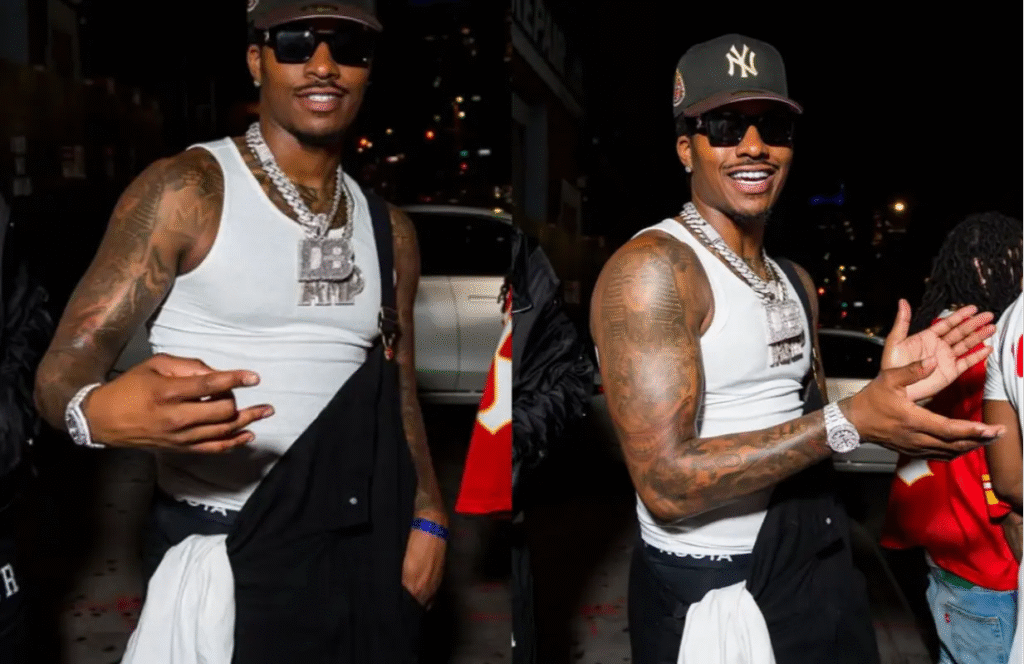
The situation was further complicated by the charge of evading arrest. While it is not clear if Dennis tried to run or simply walked away before being detained, the addition of this charge could suggest that he didn’t immediately comply when approached by security or police. Depending on the mall’s specific regulations and whether any prior warnings were given, the consequences could range from fines to potential jail time.
It’s important to note that The Shops at La Cantera is a high-end open-air shopping center with luxury stores and significant foot traffic, especially on weekends. Any disturbance can quickly draw attention from both security personnel and local authorities, and content creators have a responsibility to conduct themselves in a way that respects both the property and the public.
Public Reaction and Broader Implications
Unsurprisingly, the arrest of Duke Dennis ignited intense reactions from fans, fellow creators, and online observers. Some expressed outrage, claiming the arrest was excessive for a creator simply trying to entertain and produce content. Others argued that Dennis and the AMP crew should have secured proper permissions before filming in a busy commercial area, pointing out that influencers are not above the law.
The video of Kai Cenat filming the arrest added another layer of emotion to the unfolding drama. Cenat’s concerned yet passive stance, as he recorded the moment from above, reflected the helplessness that creators can feel when legal trouble suddenly arises. While Cenat has not released a full statement as of this writing, brief comments in his stream suggest that he was shocked by the police’s swift intervention.
Supporters of AMP have flooded social media with the hashtag #FreeDukeDennis, calling for his immediate release and condemning what they see as overly aggressive enforcement. At the same time, critics have highlighted that content creators must understand the legal boundaries of public and private spaces. Just because someone has a camera and a fanbase doesn’t give them immunity from the rules that apply to everyone else.
This incident also highlights a growing tension in the digital era: the intersection of real-world laws with online entertainment culture. As more creators push the boundaries of content creation—filming pranks, challenges, and spontaneous activities in public places—they risk running into legal hurdles. Malls, airports, restaurants, and public transit systems are not free-for-all filming locations, and ignoring the rules can have real consequences.
The arrest of Dennis is just the latest in a series of legal entanglements involving online creators. From unauthorized stunts in retail stores to confrontations with law enforcement during live streams, these incidents often become viral moments but can carry long-term implications. Creators like Dennis and Cenat have a unique opportunity to entertain and inspire—but they also serve as examples, for better or worse, of how creators navigate the real world while chasing digital fame.
As of now, Dennis remains in custody awaiting a hearing. His mugshot, released hours after the arrest, has been widely circulated, adding to the media storm. It is not yet clear if the charges will be pursued aggressively by prosecutors or if a resolution will be reached quickly. If Dennis has any prior incidents or if the mall files an official complaint, the situation could become more complicated.
Meanwhile, fans and fellow creators await more information and an official response from Dennis himself. Whether this arrest was a misunderstanding or a moment of poor judgment, it serves as a reminder to all creators about the importance of respecting space, permissions, and local laws—especially when the camera is rolling.
The Duke Dennis incident may fade from headlines in the coming days, but the questions it raises about content, legality, and responsibility in the influencer world will likely remain for some time.