
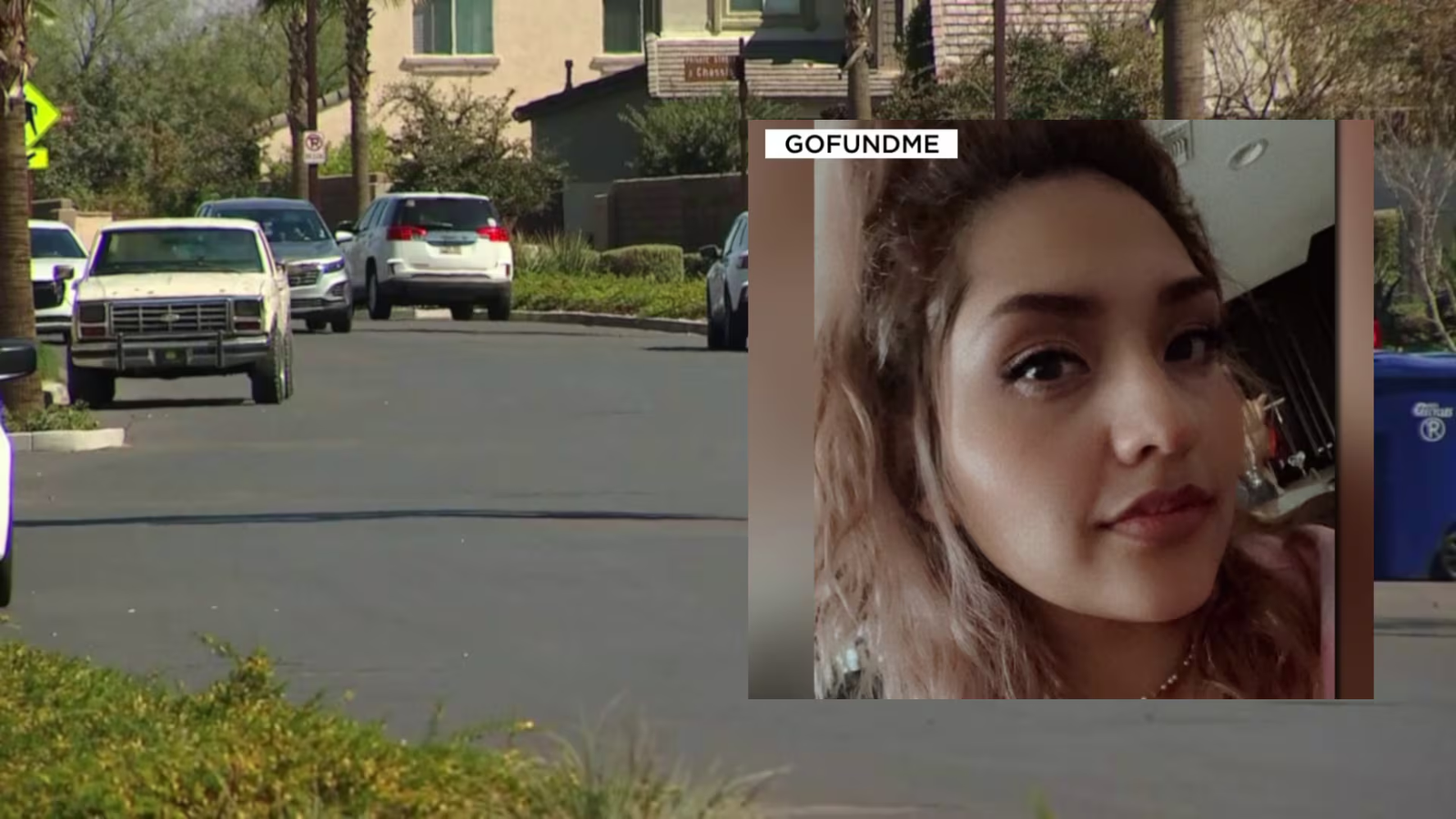
The fatal shooting of 32-year-old Maria Ernestina Lewis in a Mesa neighborhood has prompted widespread concern and an ongoing investigation, particularly after officials confirmed that a longtime employee of the Arizona Attorney General’s Office was involved in the incident. The case has drawn significant public attention due to the tragic circumstances surrounding Lewis’ death, her role as a mother of seven, and questions about how the confrontation unfolded in the early morning hours of February 28.
While law enforcement authorities have released only limited information, statements from family members, neighbors, and officials have begun to shape the public understanding of what happened and what may come next. As investigators continue to examine the events leading up to the shooting, the community remains focused on both the legal implications and the personal loss suffered by Lewis’ family.
Details of the Shooting and Initial Police Response
Mesa Police officers responded to a residence near the intersection of East Kinetic Drive and South Reliance Way after receiving a welfare check call for service in the early hours of February 28. Upon arrival, officers located an adult woman suffering from a gunshot wound. She was later pronounced deceased at the scene. Authorities have not publicly disclosed the precise sequence of events that led to the gunfire, nor have they confirmed who pulled the trigger, but they have acknowledged that the investigation is ongoing.
The victim was later identified as Maria Ernestina Lewis, who was known to friends and family as Mia. According to her family, she had gone for a walk before the incident occurred. Her husband has stated that detectives informed him there had been some type of altercation that resulted in Lewis being shot on her neighbor’s porch. The circumstances that led her to the neighbor’s front door remain unclear, and investigators have not yet provided detailed information about any prior interactions between the two households.
Lewis’ husband has further indicated that he was told the shooter claimed the discharge of the firearm was accidental. That claim has not been formally substantiated by police statements, and authorities have not publicly characterized the shooting as either accidental or intentional. The absence of confirmed details has left many questions unanswered regarding what transpired in the moments before the gun was fired.
Neighbors reported hearing a gunshot around 2 a.m. and described the incident as shocking, particularly in a community they characterized as quiet and safe. Some residents expressed disbelief that such violence could occur in their neighborhood, noting that they had not previously experienced dangerous incidents in the area. The early-morning timing and limited official disclosure have contributed to uncertainty among those living nearby.
In the hours following the shooting, Lewis’ family raised concerns about reported alterations to the property where the incident occurred. They alleged that blood-stained tiles in the home’s entryway were removed shortly after the fatal event. Authorities have not publicly addressed those claims, nor have they confirmed whether any physical changes to the scene are under review as part of the investigation. The handling and preservation of evidence typically fall under the purview of law enforcement procedures, and further clarification may emerge as the case develops.
Administrative Leave and the Attorney General’s Office Response
On March 2, a spokesperson for the Arizona Attorney General’s Office confirmed that DuLance Morin, who has been employed by the office since February 2016, was involved in the shooting. The office stated that Morin had been placed on administrative leave pending the outcome of the Mesa Police Department’s investigation. Officials also noted that they are fully cooperating with law enforcement authorities but declined to provide additional comment.
Although Mesa Police have not formally identified the individual who discharged the firearm, a law enforcement source indicated that the man residing at the property where the shooting occurred works as an investigator for the Attorney General’s Office. Social media discussions within the neighborhood speculated about the individual’s professional background, with some suggesting he was affiliated with law enforcement. Police have not officially confirmed those assertions.
Read : Bryan J. Laas Accused of Beating 63-Year-Old Neighbor Julie Miller to Death
Administrative leave in such circumstances is a procedural measure that allows an employer to separate an employee from active duties while an investigation is underway. It does not constitute a determination of guilt or wrongdoing but ensures that the matter can be reviewed without interference or the appearance of impropriety. The Attorney General’s Office has emphasized its cooperation with investigators, indicating that the review process will continue in parallel with the criminal investigation.
The case raises complex questions regarding accountability and transparency when public employees are connected to ongoing criminal investigations. However, as of now, no charges have been publicly announced, and law enforcement officials have stated that they are still gathering and evaluating evidence. The decision on whether criminal charges will be filed rests with prosecutorial authorities following the completion of investigative procedures.
Mesa Police have reiterated that they responded initially to a welfare check call and encountered a deceased adult at the residence. Beyond that, the department has released minimal detail, citing the active status of the case. In situations involving fatal shootings, particularly those occurring on private property, investigators typically examine physical evidence, witness statements, forensic findings, and any available surveillance footage to determine the facts.
For now, the official position remains limited to confirmation of Morin’s employment status and his placement on administrative leave. The broader legal implications will depend on the findings of the ongoing investigation and any prosecutorial decisions that follow.
Family Response, Community Reaction, and Ongoing Questions
Maria Ernestina Lewis leaves behind seven children and her husband, whom family members describe as her high school sweetheart. The personal dimension of the tragedy has resonated strongly within the community, with friends and neighbors expressing sorrow over the loss. Family members have publicly stated that they intend to pursue a murder charge against the individual responsible for the shooting, signaling their belief that the incident was not merely accidental.
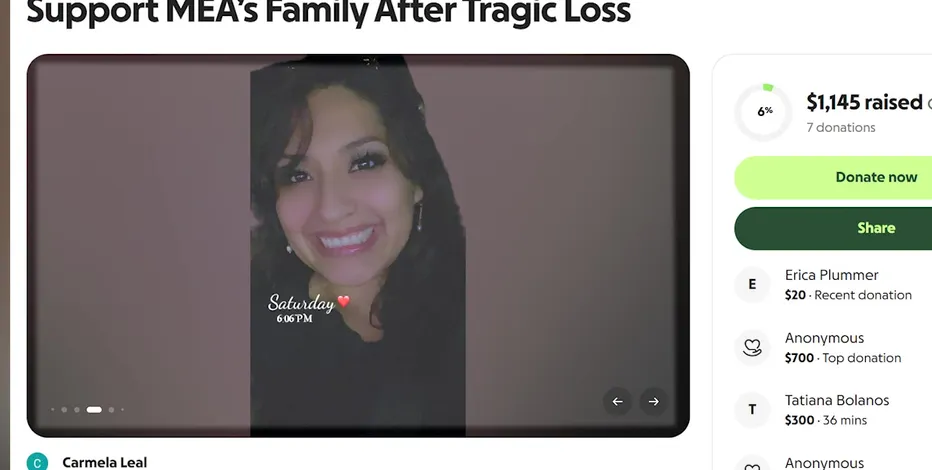
In response to the financial strain created by funeral expenses and anticipated legal costs, Lewis’ family established a fundraising campaign to assist with arrangements and representation. The campaign reflects both the immediate practical needs facing the family and their determination to seek clarity and accountability in the legal process.
Community members have voiced concern over the lack of detailed information. Several neighbors noted that they heard a single gunshot during the night and were unaware of any preceding disturbance. The absence of prior incidents in the area has intensified feelings of shock and confusion. Residents have also questioned how events escalated to a fatal outcome and whether the shooting could have been prevented.
Media inquiries at the residence where the shooting occurred were met with limited response. A man answering the door declined to comment when asked about the incident. The Attorney General’s Office likewise has refrained from elaborating beyond confirming Morin’s employment and administrative leave status. Such limited communication is common during active investigations but can contribute to public speculation.
At this stage, several key aspects of the case remain unresolved. Police have not publicly detailed what prompted the welfare check call that led officers to the residence. It is also unclear whether there were prior interactions between Lewis and her neighbor that night or on previous occasions. The nature of the reported altercation, if any, has not been described in official statements.
Additionally, authorities have not clarified whether forensic evidence or witness accounts support or contradict the claim that the shooting was accidental. In cases involving firearms, investigators often analyze trajectory, distance, gunshot residue, and other physical indicators to assess how the weapon was discharged. The outcome of such examinations may influence potential charging decisions.
The investigation’s next steps are likely to include continued evidence analysis, interviews with involved parties, and review by prosecutors to determine whether criminal charges are warranted. Until officials release further findings, the case remains defined by its limited confirmed facts and the profound impact on the victim’s family.
As the legal process unfolds, the community’s attention remains focused on obtaining answers regarding how a routine night in a residential neighborhood culminated in the death of a young mother. The administrative leave of DuLance Morin represents a procedural development in a broader inquiry that has yet to reach definitive conclusions. For the family of Maria Ernestina Lewis, the pursuit of clarity and justice continues alongside the immediate realities of grief and loss.