
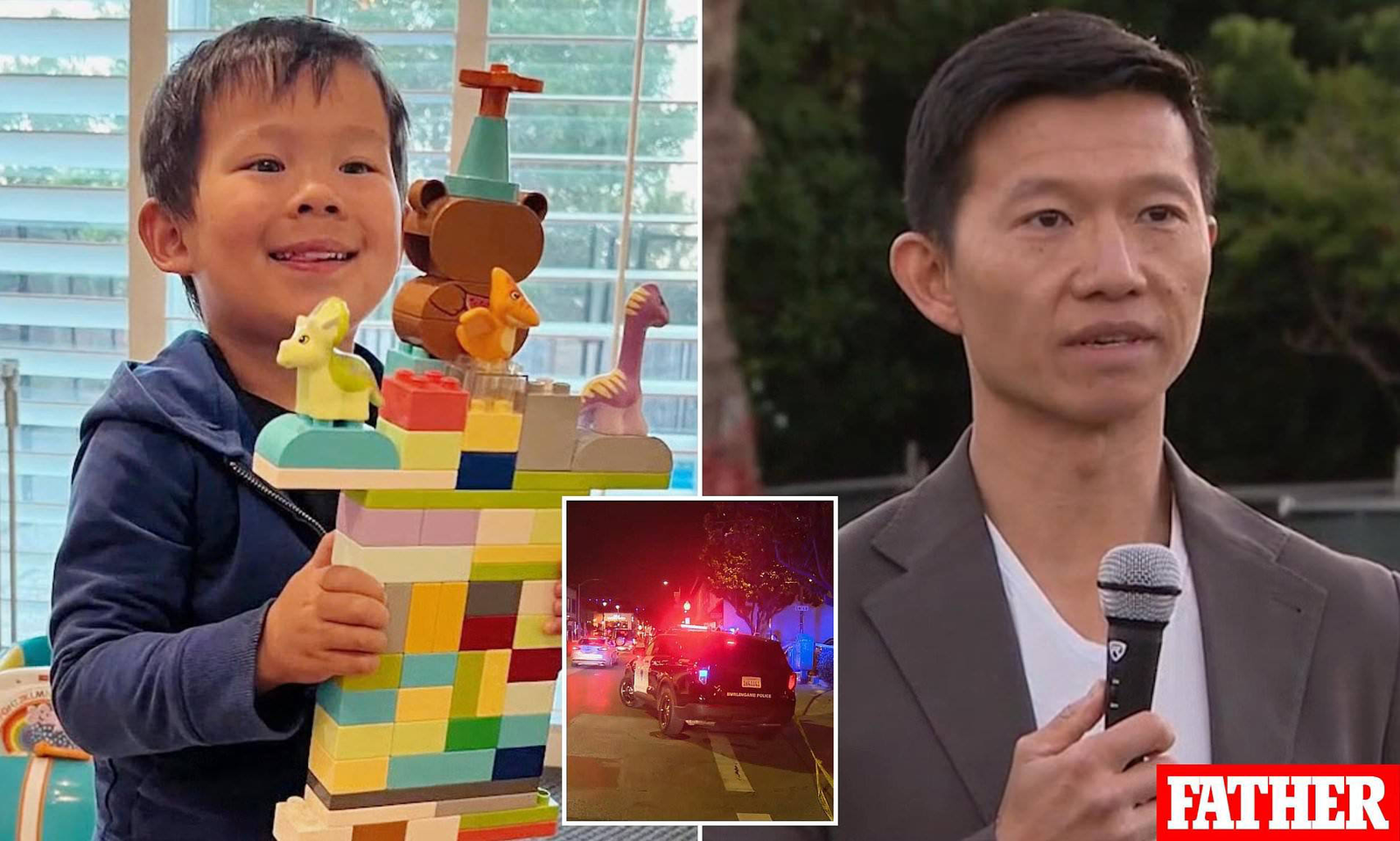
A tragic accident in California has led to a highly unusual legal case, raising complex questions about responsibility, age, and accountability in modern road environments. An 11-year-old boy has been named as a defendant in a wrongful death lawsuit following a chain-reaction crash that resulted in the death of 4-year-old Ayden Fang. The incident, which involved an e-bike collision with an SUV, has drawn attention not only because of its heartbreaking outcome but also because of the rare legal step of pursuing civil action against a child. The case highlights the growing presence of e-bikes in urban areas, the blurred lines of liability when minors are involved, and the broader legal framework that governs negligence in the United States.
The Incident and Its Devastating Consequences
The fatal sequence of events began on August 8, 2024, in a residential area where everyday activity quickly turned into tragedy. According to the lawsuit, the 11-year-old boy was riding an e-bike with his 10-year-old sister when they collided with the rear of an SUV that was exiting a parking lot. While the initial impact itself was not fatal, the consequences escalated in a matter of seconds. The 19-year-old driver of the SUV reportedly reacted by accidentally pressing the accelerator instead of the brake, causing the vehicle to surge forward unexpectedly.
The SUV moved across a curb and into a nearby area where young Ayden Fang was playing. The vehicle struck the child, pinning him beneath it. Despite the immediate response of his parents, who rushed to the scene upon hearing the commotion, Ayden died at the location of the crash. The emotional toll of the incident has been profound, with the family expressing grief not only for the loss itself but for the future that was taken away.
The lawsuit alleges that the initial collision triggered the driver’s mistaken acceleration, creating a direct link between the actions of the e-bike riders and the fatal outcome. It further claims that the SUV reached a speed of approximately 27 miles per hour during the unintended acceleration, emphasizing the severity of the situation. While prosecutors chose not to file criminal charges, the civil lawsuit seeks to establish accountability among multiple parties involved in the incident.
Legal Questions Around Age, Negligence, and Responsibility
One of the most striking aspects of this case is the inclusion of an 11-year-old as a defendant in a wrongful death lawsuit. While uncommon, such legal actions are not prohibited under U.S. law. There is no universal minimum age that prevents a person from being named in a civil lawsuit, including cases involving negligence. However, courts have historically approached such matters with caution, particularly when very young children are involved.
In California, legal standards for determining negligence in minors often rely on what is commonly known as the “Rule of Sevens.” Under this framework, children under the age of seven are generally presumed incapable of negligence. Those between the ages of seven and fourteen are presumed capable, but this assumption can be challenged depending on the circumstances, maturity, and understanding of the child. For individuals older than fourteen, the presumption typically shifts toward full responsibility.
Read : 60-Year-Old Julie Veress Killed After Collision with Teen on E-Bike
This places the 11-year-old boy in a legally ambiguous category where the court must carefully evaluate whether he had the capacity to understand the risks associated with operating an e-bike in a traffic environment. The lawsuit also references the manufacturer’s recommendation that the e-bike should not be used by individuals under the age of twelve, suggesting that the child may have been operating the vehicle outside of its intended use guidelines.
Read : Why is De Beers, the Biggest Diamond Company in the World is in Trouble?
In addition to the child, the lawsuit names his parents as defendants, alleging negligence in allowing him to ride the e-bike in an area with vehicle traffic. This introduces the concept of parental liability, where guardians may be held responsible for failing to supervise or restrict potentially dangerous activities. Similarly, the parents of the 4-year-old victim have included the SUV driver in the lawsuit, citing inexperience and possible impairment due to medication as contributing factors.
The case also extends beyond individuals to include the city itself. The lawsuit claims that the location of the crash had known safety issues, particularly poor visibility at the parking lot exit. According to the filing, multiple complaints had been made in the years leading up to the incident, raising questions about whether sufficient measures were taken to address these concerns. This broad scope reflects the legal strategy of assigning shared responsibility across all parties whose actions or inactions may have contributed to the tragedy.
E-Bikes, Urban Safety, and the Broader Implications
The rise of e-bikes as a popular mode of transportation has introduced new challenges for urban safety and regulation. These vehicles, which can reach speeds exceeding 20 miles per hour, occupy a space between traditional bicycles and motorized vehicles. While they offer convenience and environmental benefits, they also raise concerns about accessibility, especially among younger users who may lack the experience or judgment required to navigate traffic safely.
Unlike cars or motorcycles, e-bikes in many jurisdictions are not subject to strict licensing requirements or minimum age laws. This regulatory gap has allowed children and adolescents to use them with relatively few restrictions, often without formal training or oversight. In this case, the absence of a clear legal age limit becomes a central issue, as the court must determine whether the child’s actions meet the threshold for negligence despite the lack of explicit legal prohibition.
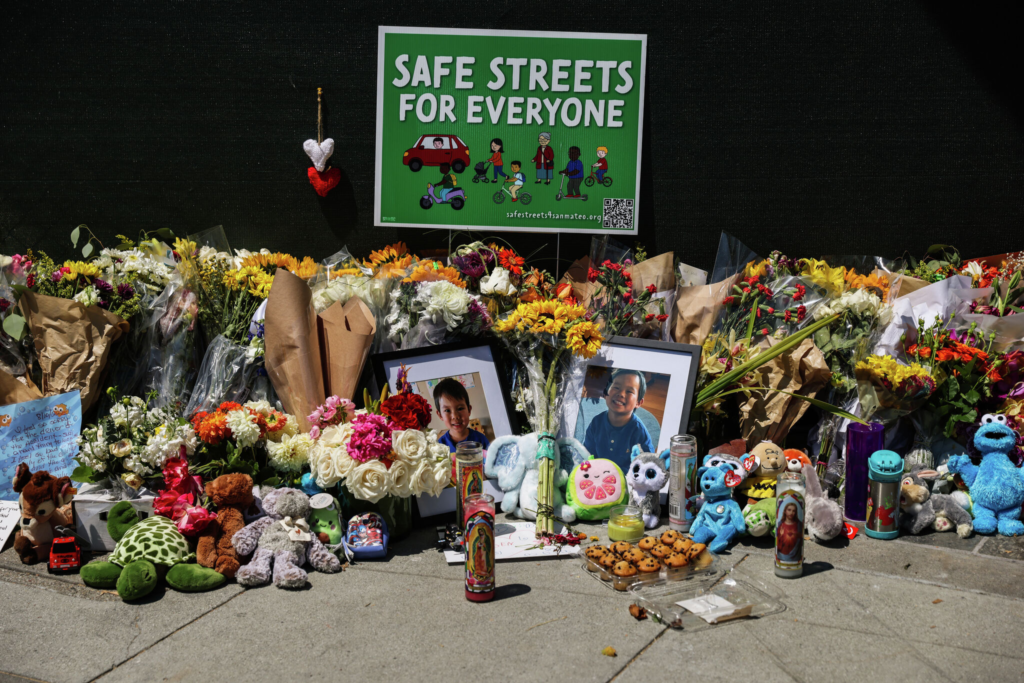
The involvement of multiple defendants also underscores the complexity of modern accident scenarios. The lawsuit suggests that the tragedy was not the result of a single mistake but rather a combination of factors, including the behavior of the e-bike rider, the reaction of the driver, the decisions of the parents, and the design of the physical environment. This layered approach reflects a broader trend in civil litigation, where responsibility is distributed across various contributors rather than assigned to a single party.
For the family of Ayden Fang, the lawsuit serves both as a pursuit of justice and as a call for change. They have expressed a desire for improved safety measures in the area, particularly in relation to visibility and traffic management. Their actions highlight the role of civil litigation not only as a means of compensation but also as a mechanism for prompting institutional and societal reforms.
The case may also influence future discussions about regulating e-bike use among minors. As these vehicles become more common, policymakers may face increasing pressure to establish clearer guidelines regarding age limits, safety training, and usage restrictions. Such measures could help prevent similar incidents by ensuring that users are adequately prepared to handle the risks associated with operating high-speed devices in shared spaces.
At the same time, the legal proceedings will likely explore deeper questions about the nature of responsibility in situations involving children. Determining whether an 11-year-old can be held accountable for actions that indirectly led to a fatal outcome requires careful consideration of intent, awareness, and the ability to foresee consequences. These are not straightforward judgments, and the outcome of the case may set an important precedent for how similar situations are handled in the future.
The tragedy that claimed the life of Ayden Fang stands as a stark reminder of how quickly everyday moments can turn into life-altering events. It also illustrates the evolving challenges of integrating new technologies into public spaces, particularly when they are accessible to users of all ages. As the case moves forward, it will continue to draw attention not only for its unusual legal dimensions but also for the broader questions it raises about safety, accountability, and the responsibilities shared by individuals, families, and communities.