

Earthquake in Ethiopia has sparked widespread concern following a magnitude 5.5 tremor that struck on Friday. The quake, recorded at a depth of 10 kilometers, has heightened fears of a potential volcanic eruption in the region.
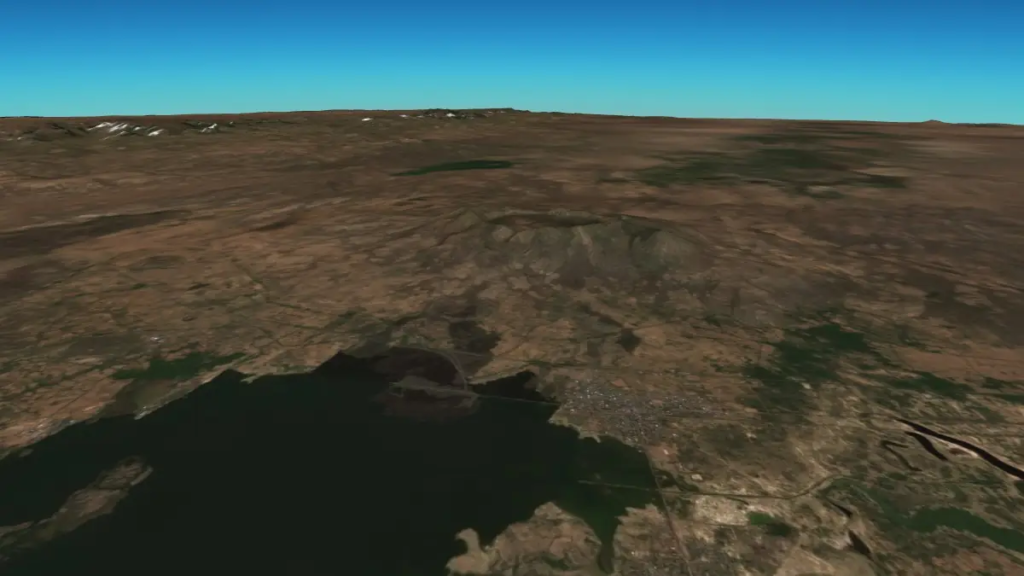
The tremor, coupled with reports of increasing seismic activity and a recent eruption at Mount Dofan, has drawn attention to the risk of a major natural disaster, particularly in the Awash Fentale region, which lies 230 kilometers from the capital, Addis Ababa.
Rising Seismic Activity and Volcanic Eruption at Mount Dofan
The earthquake coincided with reports of a volcanic eruption at Mount Dofan, located in central Ethiopia. Local media and international seismological agencies have noted a series of minor tremors in recent weeks, indicating heightened geological activity in the region.
These frequent tremors have alarmed residents and authorities alike, as the escalation in both frequency and magnitude suggests that the Earth’s crust in the area is under increasing stress.
Mount Dofan is situated in a tectonically active zone, making it prone to volcanic and seismic activity. The recent eruption adds to the list of geological concerns, particularly for communities living nearby. The Awash Fentale region, in proximity to Mount Dofan, has been identified as a high-risk area due to its vulnerability to both earthquakes and potential lava flows.
Read : Dramatic Fagradalsfjall Volcano Eruption in Iceland: Watch
The European Mediterranean Seismological Centre and local monitoring agencies continue to track these developments closely. The cumulative impact of the earthquakes and the volcanic eruption underscores the interconnected nature of geological processes in this part of the world, raising concerns about the possibility of a larger and more destructive event.
Efforts to Mitigate Risks and Protect Residents
Authorities in Ethiopia are taking proactive measures to address the risks posed by the ongoing seismic and volcanic activities. Regional Administrator Abdu Ali stated that steps are being taken to relocate residents living in high-risk zones to safer areas.
This decision reflects an urgent need to protect lives in regions like Awash Fentale, where the danger of a major disaster looms large. The state-owned Fana Broadcasting Corporation reported that relocation efforts are already underway, with a focus on minimizing casualties.
Read : Hawaii’s Kilauea Volcano Erupts Again After 50 Years : Watch Video
However, the process of moving entire communities presents significant logistical challenges. Infrastructure constraints, limited resources, and the unpredictability of natural disasters make the task of safeguarding residents particularly daunting.
Despite these challenges, Ethiopian authorities are emphasizing preparedness and awareness among the affected population. Public advisories, emergency plans, and monitoring efforts are being ramped up in response to the escalating geological threats. Nevertheless, the tremors’ increasing intensity and the potential for further volcanic activity continue to generate anxiety among residents and officials alike.
Potential Impacts and the Need for Long-Term Preparedness
The situation in Ethiopia serves as a stark reminder of the importance of preparedness in geologically active regions. The potential impacts of a major earthquake or volcanic eruption could be devastating, not only for human lives but also for the environment, infrastructure, and economy.
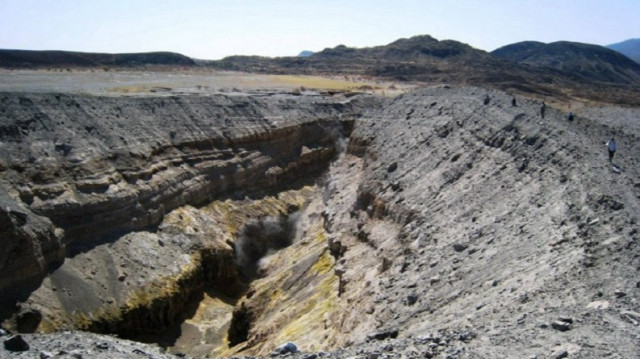
For communities near Mount Dofan and in the Awash Fentale region, the risks include ground shaking, landslides, and lava flows, all of which can lead to widespread destruction.
Addis Ababa, despite being located 230 kilometers away, has also felt some of the recent tremors, highlighting the far-reaching effects of seismic activity.
In the long term, Ethiopia must prioritize investments in geological monitoring systems and disaster response infrastructure. Strengthening the capacity of local agencies to predict and respond to earthquakes and volcanic eruptions is crucial for mitigating risks.
Collaborative efforts with international experts and organizations can also play a vital role in improving resilience against natural disasters.