
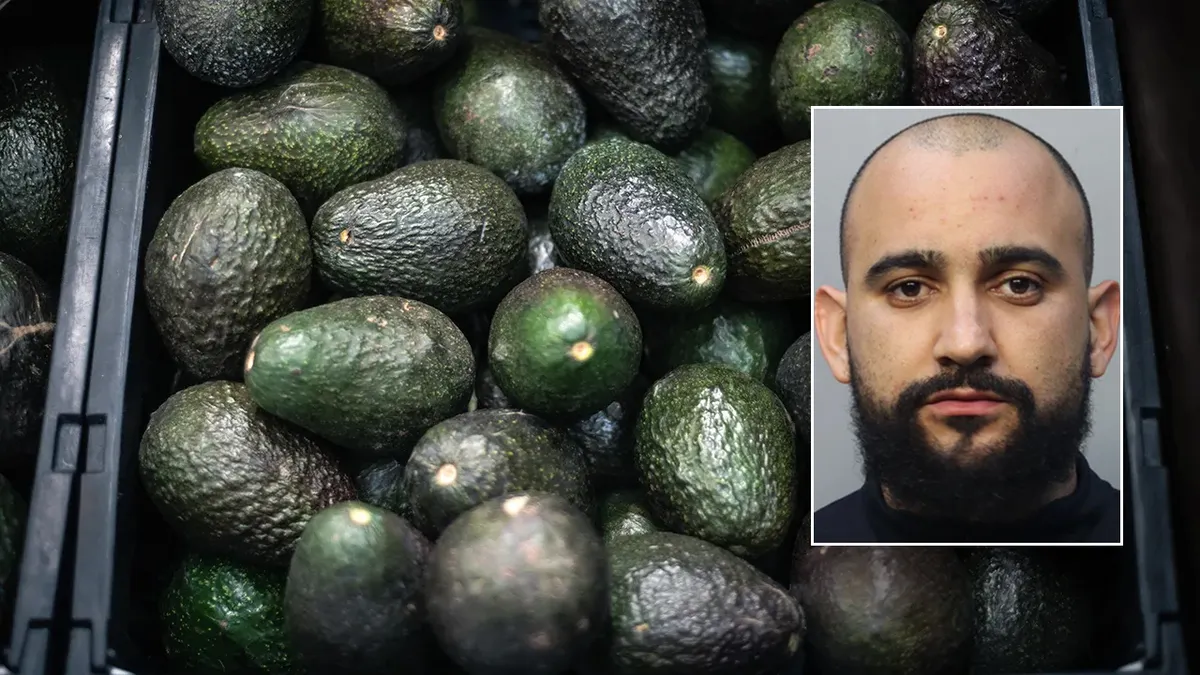
A 29-year-old Florida man is facing felony charges after authorities say he was caught stealing approximately 400 pounds of avocados from a secured agricultural property in Miami-Dade County, allegedly with the intention of selling the produce to purchase Christmas gifts for his children.
The arrest, which took place in the early morning hours just days before the holiday, has drawn attention not only for the unusual nature of the alleged theft but also for the broader issues surrounding agricultural crime, rising food values, and enforcement challenges in South Florida. According to investigators, the suspect was found leaving a fenced avocado grove with large quantities of freshly picked fruit, despite posted warnings prohibiting trespassing.
The suspect, identified as Edel Perez, was arrested on December 22 following surveillance by deputies from the Miami-Dade Sheriff’s Office. Law enforcement officials estimate the stolen avocados were worth roughly $800, placing the alleged crime within the threshold of third-degree grand theft under Florida law. Perez has also been charged with trespassing on an agricultural site, a specific offense designed to protect farms and groves from unauthorized access and theft.
Early-Morning Arrest at a Secured Agricultural Site
According to the arrest affidavit, deputies were conducting patrols in the area at approximately 3:10 a.m. when they observed a man dressed entirely in black inside a fenced avocado grove. The property was clearly marked with “No Trespassing” signs, and the fencing indicated that the area was not open to the public. Authorities say the individual was actively picking avocados and placing them into bags within the grove.
Deputies reportedly watched as the suspect exited the grove and approached a nearby vehicle. Upon investigation, they identified the man as Edel Perez and conducted a search of the area and the vehicle he was using, a Mercedes-Benz. Inside the vehicle, deputies allegedly found multiple large bags filled with avocados, along with loose fruit stored in the trunk. Additional bags containing freshly picked avocados were also found inside the grove, matching those recovered from the vehicle.
The total weight of the avocados was estimated at approximately 400 pounds. Law enforcement officials noted that the fruit appeared to have been recently harvested, reinforcing the belief that it had been taken directly from the grove rather than acquired through legal means elsewhere. Based on current market prices, investigators valued the avocados at around $800, a figure that meets Florida’s criteria for grand theft in the third degree.
Read : Exploring the Global Orchard: The Top Ten Most Eaten Fruits Worldwide
Perez was taken into custody at the scene without incident. During questioning, deputies say he admitted to taking the avocados without permission. He allegedly told officers that he was unemployed and planned to sell the fruit in order to buy Christmas presents for his two children. While that statement was included in the arrest affidavit, authorities emphasized that the motive does not alter the legal classification of the offense under state law.
Charges Filed and Legal Implications
Following his arrest, Perez was formally charged with trespassing on an agricultural site and third-degree grand theft. Under Florida statutes, trespassing on an agricultural site is treated as a distinct offense due to the economic and food-security importance of farming operations. Agricultural properties are often targeted for theft because produce can be quickly sold for cash, particularly during peak seasons or times of high market demand.
Read : Élysée Palace Silver Steward Arrested for Stealing Sèvres Porcelain and Tableware
Third-degree grand theft in Florida generally applies to stolen property valued between $750 and $20,000. A conviction can carry penalties including fines, probation, restitution, and potential jail time of up to five years. Trespassing on an agricultural site may also result in additional penalties, particularly if the defendant ignored posted warnings or caused damage to the property.

Court records indicate that the avocados were seized as evidence, and the case will proceed through the Miami-Dade County court system. Prosecutors will likely rely on the physical evidence recovered at the scene, the observations of the deputies, and the suspect’s alleged statements to build their case. Defense attorneys, meanwhile, may examine issues such as intent, valuation of the produce, and whether any procedural errors occurred during the arrest.
Legal experts note that agricultural theft cases, while sometimes perceived as minor, are taken seriously in Florida due to the state’s significant farming industry. Miami-Dade County alone produces a substantial portion of the nation’s tropical fruits, including avocados, mangoes, and lychees. Theft from groves can result in significant losses for growers, particularly when it involves large quantities or repeated incidents.
Agricultural Theft and the Value of Avocados in Florida
The alleged theft has also highlighted the growing problem of agricultural crime in Florida, particularly involving high-value produce such as avocados. Often referred to as “green gold,” avocados have seen sustained demand and relatively high market prices in recent years. This has made them a frequent target for theft, both from groves and during transportation.
Read : Activists Dressed as Santas and Elves Steal $3,000 Worth of Groceries from Metro Store
Growers in South Florida have long reported issues with unauthorized harvesting, especially at night. In response, many farms have increased security measures, including fencing, surveillance cameras, and coordination with local law enforcement. The presence of “No Trespassing” signs and agricultural-site warnings is intended to deter theft and provide a clear legal basis for arrests when violations occur.
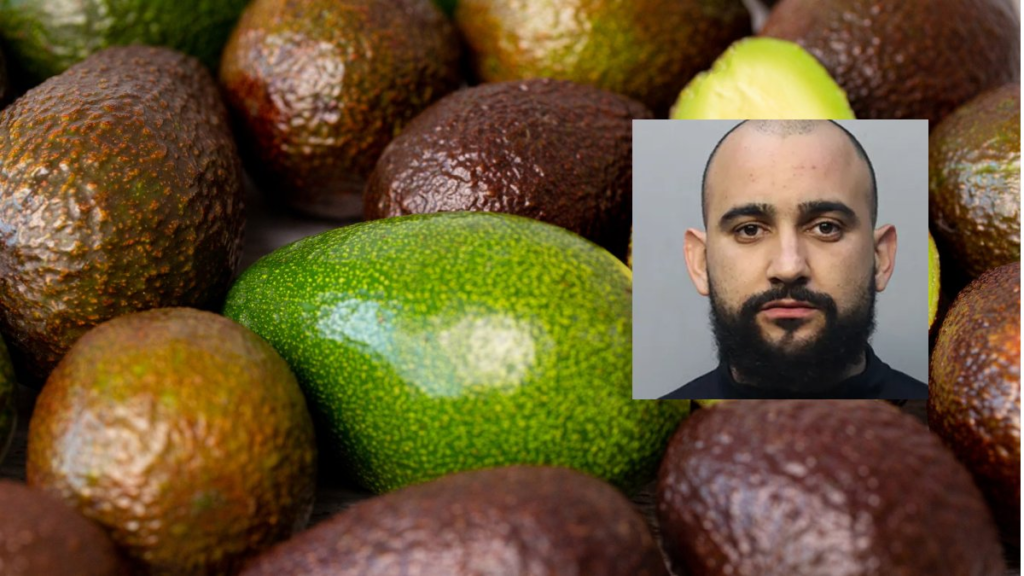
Law enforcement agencies in agricultural regions routinely conduct patrols during harvest seasons, particularly in areas known for prior incidents. Deputies involved in this case said the timing and behavior they observed were consistent with previous agricultural theft investigations, where suspects attempt to avoid detection by operating in the early morning hours.
The estimated value of $800 for 400 pounds of avocados reflects wholesale or roadside-market pricing rather than retail grocery store prices. Investigators say such quantities are often sold informally to small vendors or through unregulated channels, making it difficult to trace stolen produce once it enters the market. This is one reason authorities emphasize prevention and on-site enforcement.
While Perez allegedly told deputies he intended to sell the avocados to buy Christmas gifts, officials have not indicated whether any buyers had been identified or whether the produce had already been offered for sale. The investigation, as outlined in the affidavit, focused primarily on the act of theft and the recovery of the fruit before it left the suspect’s possession.
The case has drawn public interest due to the unusual nature of the stolen item and the circumstances surrounding the arrest. However, authorities stress that agricultural theft is a serious offense with real economic consequences. Florida’s agricultural industry employs thousands of workers and contributes billions of dollars annually to the state’s economy, making protection of farms and groves a law enforcement priority.
As the legal process moves forward, Perez will have the opportunity to respond to the charges in court. The outcome will depend on the evidence presented and the application of Florida law to the facts of the case. For now, the arrest serves as another example of the challenges faced by growers and law enforcement in safeguarding agricultural resources during high-demand periods such as the holiday season.
ph44vip… hmmm, haven’t tried it myself yet, but my buddy swears by it. He says the VIP perks are legit. Might be worth a look if you’re a high roller: ph44vip