

The United States is currently facing surge in ‘Eggs Stolen’ cases as the avian flu continues to decimate millions of chickens across the country. Amid this crisis, a shocking incident occurred in Greencastle, Pennsylvania, where thieves stole approximately 100,000 eggs from a distribution trailer belonging to Pete and Gerry’s Organics LLC.
The stolen eggs, valued at around $40,000, highlight the growing desperation surrounding the surging cost of eggs and the scarcity of supply.
The Egg Theft Incident in Pennsylvania
The theft took place around 8:40 PM at Pete and Gerry’s Organics LLC in Greencastle, according to reports from authorities. Police officials confirmed the large-scale heist but have not yet disclosed further details about potential suspects or how the crime was executed.
The egg supplier released a statement acknowledging the incident and confirmed that it is actively working with law enforcement agencies to investigate the matter.
Pete and Gerry’s Organics LLC is a well-known supplier of organic eggs in the United States, and such a significant theft represents a major financial blow to the company.
The incident underscores the increasing black-market value of eggs as prices soar due to the ongoing avian flu outbreak. While food theft is not uncommon, stealing perishable items like eggs in such large quantities raises questions about the thieves’ intent and the potential networks involved in reselling stolen goods.
Read : Bizarre! Hundreds of Eight-Legged Creatures Rain Down from the Sky in Brazil
Authorities are now focused on tracking the stolen eggs and identifying the individuals or groups responsible for the crime. Given the scale of the theft, there are speculations that the eggs may have been stolen for resale through unregulated distribution channels, taking advantage of the ongoing egg shortage in the country.
The Ongoing Egg Shortage and Soaring Prices
The United States has been grappling with a national egg shortage due to the devastating impact of the avian flu, which has led to the deaths of millions of egg-laying hens. As a result, egg prices have skyrocketed to unprecedented levels, causing widespread concern among consumers and businesses alike.
According to the U.S. Department of Agriculture, wholesale prices for a dozen large eggs in the Midwest have reached an average of $7.08, which is approximately seven times the price from two years ago.
Read : Which came first, the chicken or the egg?
In some areas, including New York City, the cost of a dozen cage-free eggs has surged as high as $11.99 at Whole Foods, leading to the implementation of purchase limits at certain locations.
Since the outbreak of the avian flu in 2022, approximately 104 million egg-laying hens have been lost, with 29 million culled since October alone.
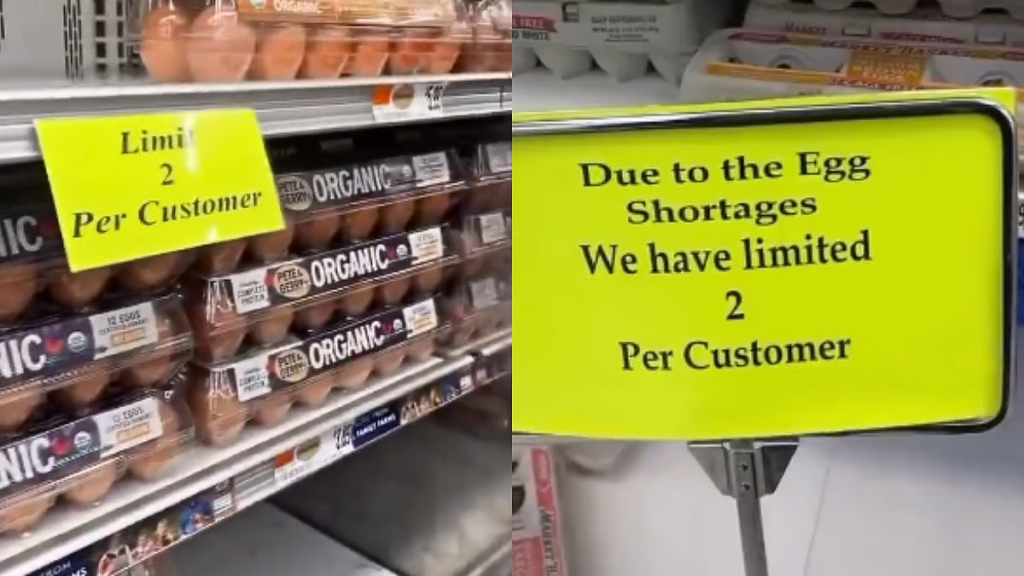
The crisis has significantly impacted both grocery stores and restaurants, forcing businesses to either absorb the rising costs or pass them on to consumers. Many restaurants, especially those heavily reliant on eggs for their menu items, have been struggling to maintain operations amid the supply shortage.
Adding to the demand surge is the growing popularity of weight-loss medications such as Ozempic. These drugs, originally designed to treat diabetes, have been increasingly used for weight management, leading consumers to seek high-protein, low-carb diets—eggs being a primary source of protein.
As a result, even with the supply constraints, consumer demand for eggs remains exceptionally high, further exacerbating the market strain.
The Black Market for Eggs and Rising Food Theft
The recent theft of eggs in Pennsylvania is not an isolated event but rather part of a broader trend where high-priced food items are becoming targets for criminal activities. With eggs now being a valuable commodity, the risk of theft has increased, similar to other cases of food-related crimes in the past.
Black-market food operations have existed for years, often involving stolen or counterfeit products being resold through unregulated supply chains. Given the high demand for eggs, stolen batches could easily be sold at lower-than-market prices to businesses or individuals looking for cheaper alternatives.
The lack of traceability for bulk food items makes it challenging for authorities to track stolen goods once they enter unofficial distribution channels.

Beyond eggs, food theft has been on the rise globally, with criminals targeting expensive or scarce items. In some cases, organized crime groups have been linked to large-scale food heists, including the theft of cheese, meat, and seafood. These incidents highlight the vulnerabilities in food supply chains and the economic pressures driving such crimes.
For consumers, the egg shortage means continued price hikes and potential limitations on purchases. While authorities work to recover the stolen eggs and prevent further thefts, businesses and consumers alike will need to navigate the ongoing supply crisis.
The situation also raises concerns about food security and the potential for increased food-related crimes as economic pressures persist.
As the investigation into the Pennsylvania egg theft continues, law enforcement agencies are urging businesses and distributors to enhance their security measures to prevent similar incidents.
With the avian flu showing no signs of slowing down, the egg crisis in the United States remains a significant challenge, impacting not only prices but also the broader food supply chain.