
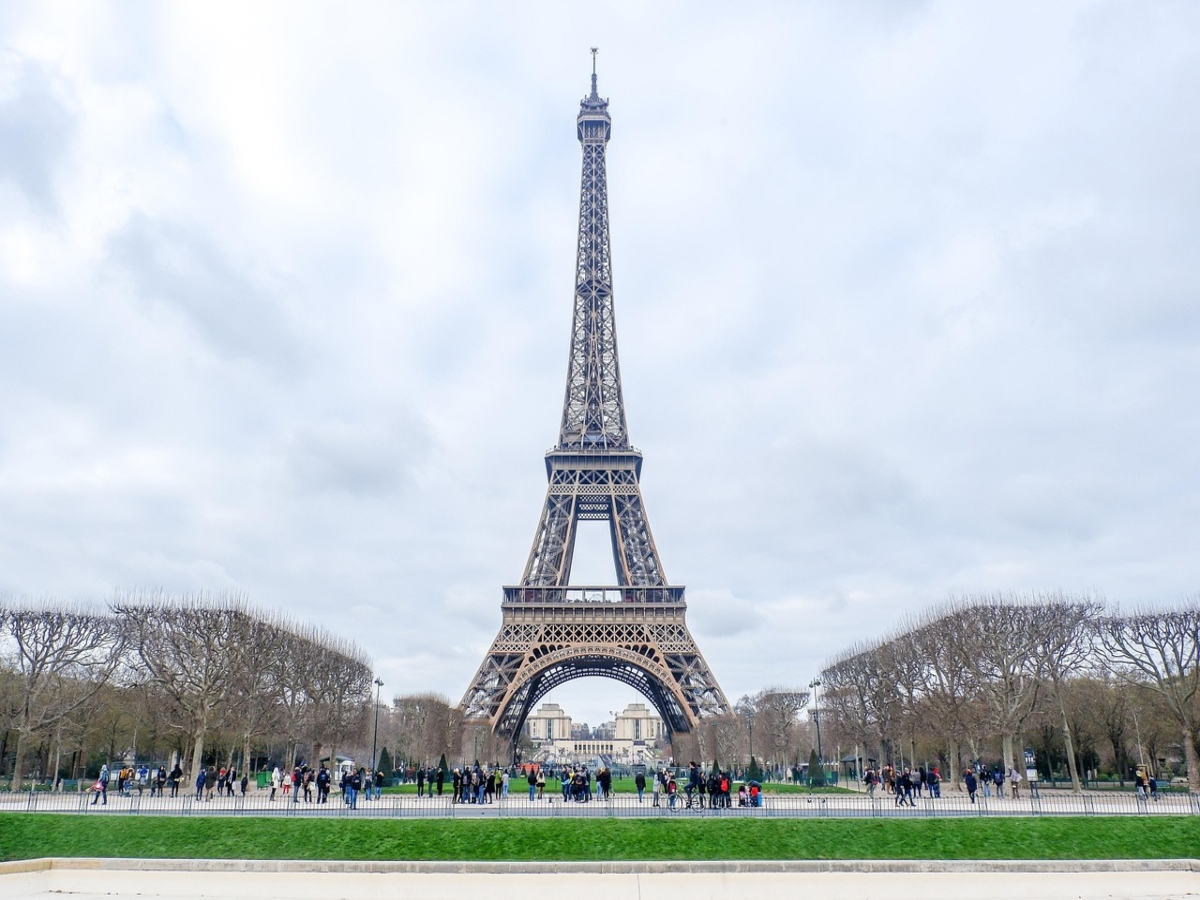
In recent weeks, sensational online posts have ignited a wave of panic and disbelief across social media platforms, claiming that Paris is preparing to demolish its most famous landmark, the Eiffel Tower, in 2026. The 330-metre iron structure, a globally recognised symbol of French culture and engineering brilliance, has stood proudly in the heart of Paris for over 135 years. Yet, thousands of users have shared posts insisting that the tower’s “end of an era” is near. These rumours, rooted in a mix of satire and misunderstanding, quickly went viral—illustrating how easily misinformation can distort reality in the digital age.
Origins of the Eiffel Tower Demolition Hoax
The claim that the Eiffel Tower would soon be torn down began as a piece of satire, not fact. A French-language satirical outlet published a tongue-in-cheek article suggesting that the monument would be demolished and replaced with a “giant slide” or a concert hall. The article, intended purely as parody, was designed to amuse readers familiar with the outlet’s humorous tone. However, when fragments of the story began circulating without context, its fictional nature was lost.
Compounding the confusion was the Eiffel Tower’s brief closure on 2 October 2025 due to nationwide protests. On that day, tens of thousands of demonstrators filled the streets of Paris and over 200 other French cities to protest government spending cuts and demand higher taxes on the wealthy. The Société d’Exploitation de la Tour Eiffel (SETE), which operates the monument, decided to close the site temporarily for safety reasons. Tourists arriving at the Champ de Mars found the entrance gates locked and a sign reading, “Due to a strike, the Eiffel Tower is closed. We apologise.”
This closure, unrelated to any structural issue, coincided almost perfectly with the spread of the satirical article. Social media users, seeing posts about both events in their feeds, began linking them together—assuming the closure was part of a broader plan to dismantle the tower. Within hours, the rumour evolved into a full-fledged hoax, amplified by posts claiming the monument was being “retired” due to “structural fatigue” and “rising maintenance costs.”
Read : Truth Behind Man Smuggling Over 100 Live Snakes in His Pants in China
In reality, none of these claims have any factual basis. The Eiffel Tower is not scheduled for demolition in 2026 or at any other date. SETE, though it has not issued an official press release responding directly to the rumours, continues to operate ticket sales and visitor bookings on its official website without disruption. The monument remains open to tourists, with maintenance and inspections carried out regularly to ensure its safety and longevity.
Economic and Cultural Significance of the Eiffel Tower
Part of what makes the demolition rumours so implausible is the tower’s immense cultural and economic value. Since its completion in 1889 for the Exposition Universelle (World’s Fair), the Eiffel Tower has become one of the most visited paid monuments on Earth, attracting millions of visitors every year. In 2023 alone, it generated €117.87 million in revenue—a figure that underscores its vital contribution to both Paris’s tourism industry and the broader French economy.
Unlike many historical monuments in France, the Eiffel Tower does not receive government subsidies. It is managed by SETE, a semi-public company owned largely by the City of Paris, which reinvests its profits into the structure’s maintenance, staffing, and cultural programming. Over 300 employees are directly involved in operating the tower, including engineers, electricians, tour guides, and hospitality workers. Their work sustains not only the monument itself but also the surrounding ecosystem of restaurants, hotels, and tour agencies that depend on the steady stream of visitors.
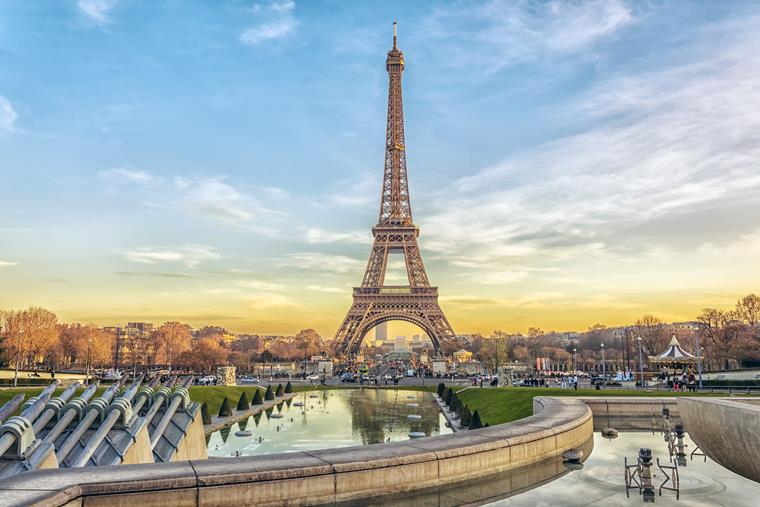
Beyond economics, the Eiffel Tower embodies France’s artistic and technological heritage. Designed by Gustave Eiffel, the structure was initially met with criticism from artists and intellectuals who found it too industrial. Yet over time, it became the quintessential symbol of modern Paris—a beacon of innovation and elegance. To suggest that such an emblem could be torn down is, for many, unthinkable. The French government recognises the tower’s status as a cultural treasure, ensuring its continued preservation through rigorous inspections and periodic renovations. Its paintwork alone is renewed roughly every seven years to protect against corrosion, a costly but necessary investment to maintain the integrity of the iron lattice.
Read : Truth Behind Viral Video of Elderly Man Removed From Delta Airlines Flight For Wearing MAGA Hat
The rumours of “structural fatigue” cited in viral posts are misleading. While all large structures require ongoing maintenance, no credible reports have indicated that the Eiffel Tower faces any risk of instability or structural failure. Engineers routinely monitor its condition using advanced diagnostic tools, and any issues are addressed long before they pose safety risks. In short, the notion that authorities would demolish one of the world’s most recognisable landmarks due to maintenance costs is unfounded.
The Broader Impact of Fake News on Travel and Tourism
The Eiffel Tower demolition hoax is more than just a social media curiosity—it reflects a broader challenge facing the global tourism industry: the spread of misinformation. As digital platforms have grown more influential, false or misleading claims about destinations, attractions, and travel regulations can spread rapidly, affecting traveller behaviour and even damaging local economies.
In the case of Paris, the Eiffel Tower rumour prompted a flood of concerned comments and posts from around the world. Some users expressed disappointment at the supposed decision, lamenting that they might never see the monument in person. Others cancelled or delayed travel plans, believing the tower would soon close permanently. While these reactions may seem anecdotal, they highlight how misinformation can disrupt tourism flows, especially when linked to iconic attractions.
Italy’s recent measures to combat fake reviews and online deception provide a telling comparison. In early 2025, the Italian Ministry of Enterprises reported that false or manipulated online content affects between 6 and 30 per cent of the revenue in the hospitality and tourism sector. Business owners had complained that fabricated reviews—both positive and negative—were distorting consumer perceptions and damaging reputations. In response, Italy introduced legislation requiring proof of a visit before travellers could leave a review, aiming to restore authenticity and trust in the industry.
As Italy’s tourism minister Daniela Santanché stated when unveiling the law, “Reviews, which thanks to this regulatory intervention will actually be truthful, are fundamental for the success of companies and for the trust of consumers and tourists.” Her remarks underscore a crucial point: trust is the foundation of tourism. When misinformation takes root—whether about a restaurant’s quality, a hotel’s safety, or a landmark’s supposed demolition—it undermines that trust, sowing confusion among travellers and harming businesses that rely on accurate information.
The Eiffel Tower hoax illustrates how easily fake news can escalate when context is stripped away. A satirical article, combined with a temporary strike-related closure, created the perfect conditions for misunderstanding. On platforms like X (formerly Twitter), posts citing “reports” of demolition were shared by accounts with hundreds of thousands of followers, lending the illusion of legitimacy. The more the story spread, the more it seemed believable to casual readers who had not seen the original source.
This phenomenon—sometimes called “context collapse”—is a defining feature of digital misinformation. When a story jumps between languages, platforms, and audiences, it sheds its original framing. A joke becomes a headline; a metaphor becomes a “fact.” In the fast-moving environment of online news, few users take time to verify claims before sharing them. For destinations like Paris, which depend heavily on their global image, such distortions can have real economic consequences.
The problem extends beyond tourism. Misinformation has long been recognised as a threat to public trust in institutions, science, and media. In the travel sector, however, it takes on unique dimensions. A viral rumour about an unsafe airline, a closed border, or a collapsing monument can instantly alter booking patterns and trigger unnecessary cancellations. As the Eiffel Tower episode shows, even established global landmarks are not immune.
Combating such misinformation requires coordinated efforts between public authorities, media outlets, and social media platforms. Institutions like SETE could play a more proactive role in issuing rapid responses to viral claims, while social networks could improve the visibility of context labels or fact-checking notices. Journalists also have a responsibility to amplify accurate information, explaining not just what is false, but how and why misinformation spreads. The more audiences understand these dynamics, the less likely they are to fall for similar hoaxes in the future.
Moreover, travellers themselves must cultivate digital literacy. Before sharing dramatic news about a destination, it is worth checking official sources—such as the Eiffel Tower’s own website or Paris’s tourism office. Reliable news agencies and established travel outlets remain the most trustworthy sources for updates about closures, renovations, or major policy changes. As a rule of thumb, if a claim about a world-famous monument seems unbelievable, it probably is.
The viral panic over the supposed demolition of the Eiffel Tower thus serves as a cautionary tale about the modern information ecosystem. In an era where attention moves faster than verification, satire and speculation can masquerade as truth within hours. Yet the reality, in this case, is far more stable—and reassuring. The Eiffel Tower stands as firmly as ever, continuing to welcome millions of visitors who gaze up at its intricate ironwork and marvel at the ingenuity of its design.
No official or technical documentation supports the idea of its removal, and the structure remains under constant care. In fact, ongoing projects are focused not on dismantling but on preserving and improving visitor experiences through digital ticketing, sustainability initiatives, and enhanced accessibility. Paris, ever conscious of its cultural heritage, remains committed to maintaining the monument for future generations.
Ultimately, the Eiffel Tower demolition hoax highlights the enduring power of symbols and the fragility of truth in the digital age. When a monument so deeply embedded in global consciousness can become the subject of widespread falsehoods, it reminds us of the responsibility shared by institutions, media, and individuals to protect factual integrity. For now, travellers planning their Parisian adventures can rest assured: the Iron Lady is not going anywhere.