
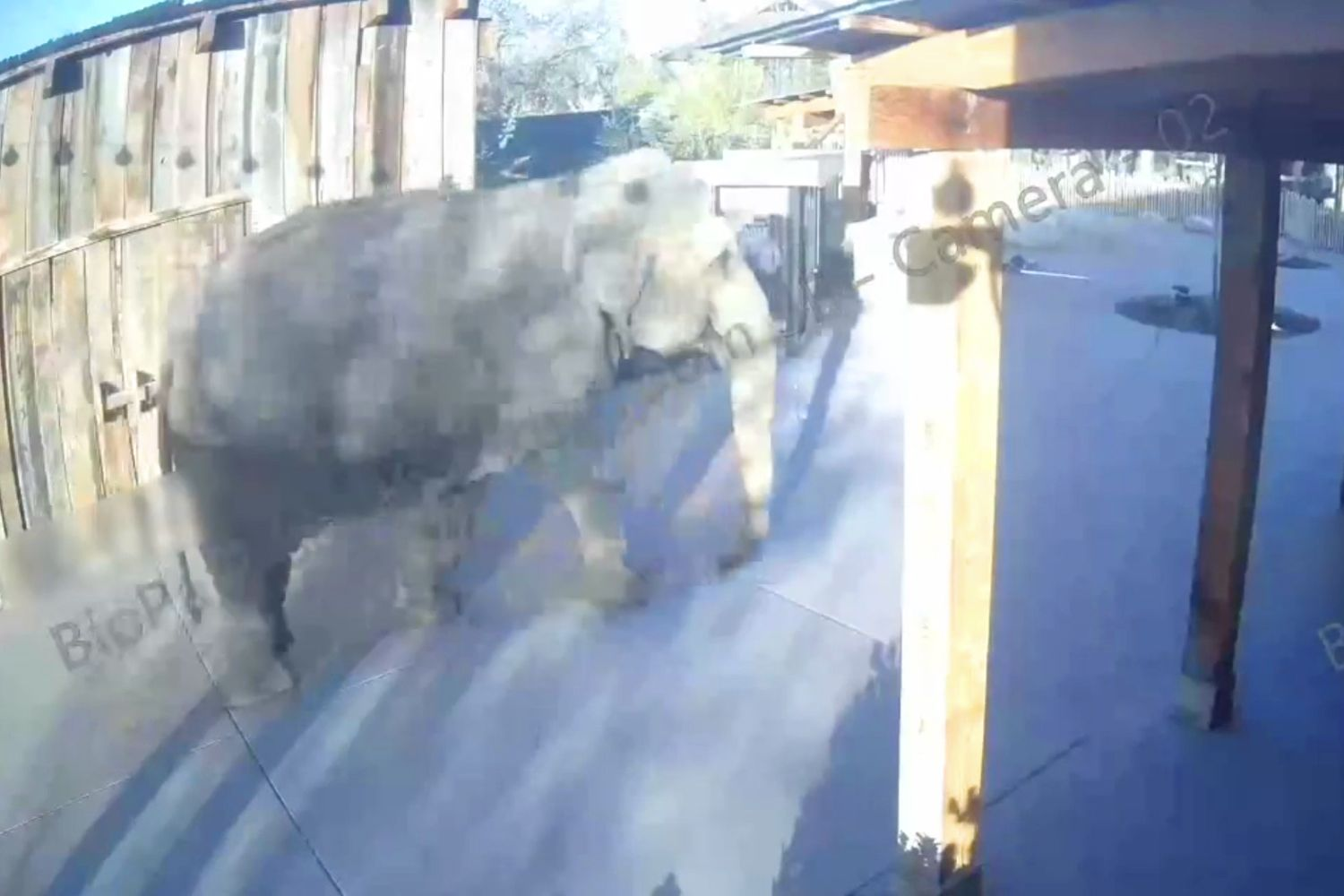
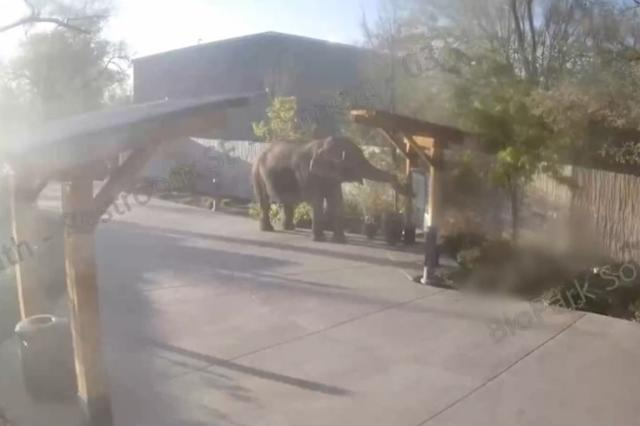
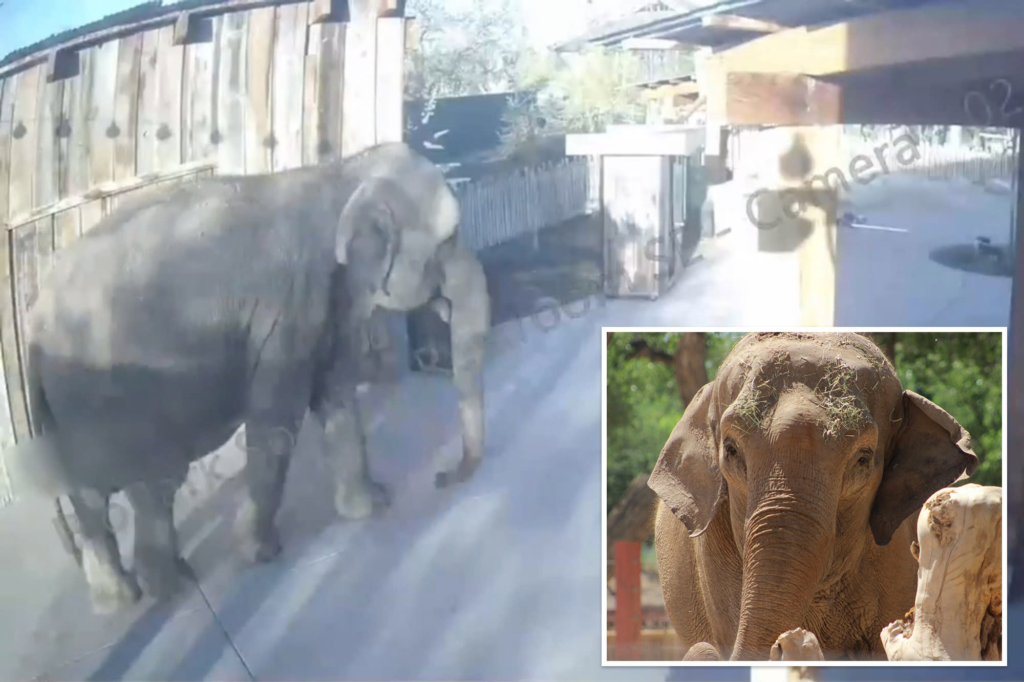
A quiet morning at ABQ BioPark took an unexpected turn when Alice, a 52-year-old Asian elephant, stepped beyond the boundaries of her enclosure and into the wider zoo grounds. The incident, which occurred before opening hours on March 29, unfolded calmly and without any danger to staff or visitors. Rather than triggering panic, the situation became a testament to effective animal management, staff preparedness, and the deep trust built between animal caretakers and one of the zoo’s most experienced residents. Alice’s brief excursion, captured on video, showed her moving at an unhurried pace, exploring her surroundings with curiosity before being safely guided back to her habitat.
A Calm and Unusual Start to the Day
The early hours of the morning are typically reserved for routine care, feeding, and preparation before guests arrive. On this particular day, however, the routine was briefly interrupted when security personnel noticed that Alice was no longer within her primary habitat. At approximately 7:30 a.m., before the zoo opened to the public, the elephant had slipped through a compromised section of the perimeter fencing, allowing her access to other areas of the zoo grounds.
What stood out immediately was the calm nature of the situation. Unlike what might be expected in such scenarios, Alice did not display any signs of distress or agitation. Instead, she moved leisurely, pausing occasionally to snack on nearby plants and investigate her surroundings. The video footage later shared by the zoo showed a composed and curious animal rather than one in a state of alarm.
Within minutes of the discovery, animal care staff were alerted and quickly arrived on the scene. Emergency response protocols, which are regularly practiced by zoo personnel, were initiated without delay. These protocols are designed not only to ensure human safety but also to prioritize the well-being and calm handling of the animals involved. In this case, the response was both swift and measured, reflecting a high level of training and preparedness.
Read : On this year vacation must visit Italy’s Top Ten Most Beautiful Villages
Importantly, the timing of the incident played a crucial role in maintaining safety. Because the zoo had not yet opened, there were no visitors on the premises. This eliminated the risk of public interaction and allowed staff to focus entirely on safely managing the situation. The absence of crowds also contributed to maintaining a calm environment, which is essential when dealing with large and intelligent animals like elephants.
The Role of Trust and Training in a Safe Resolution
One of the most significant factors in the smooth resolution of the incident was the established relationship between Alice and her caretakers. Elephants are known for their intelligence, memory, and ability to form strong social bonds, and these traits were clearly evident in how the situation unfolded. According to zoo officials, the elephant care team has developed a deep and trusting bond with Alice over many years, which proved invaluable during this unexpected event.
Read : 19-Year-Old Noah Thomas Wanted for Allegedly Jumping Fence into Pittsburgh Zoo Elephant Enclosure
Rather than using force or aggressive measures, staff relied on verbal cues and familiar commands to guide Alice back to her enclosure. This approach not only ensured her safety but also minimized stress for both the animal and the handlers. Alice responded calmly, turning back toward her habitat when called, demonstrating the effectiveness of consistent training and positive reinforcement techniques used in modern animal care.
The incident highlighted the importance of behavioral training in zoo environments. Animals like elephants require regular interaction and structured routines that help them understand and respond to human guidance. This type of training is not about control but about communication and cooperation, which becomes especially critical in unusual situations.
Zoo officials emphasized that no staff members were ever in harm’s way during the event. This detail underscores the controlled nature of the response and the professionalism of the team involved. Additionally, no other elephants left the habitat, indicating that the situation was contained and did not escalate into a broader issue.
Following her return, Alice was examined by animal care staff and found to have no injuries. As a precaution, she remained under close observation to ensure her continued well-being. Such monitoring is standard practice after any unusual event, even when no immediate concerns are apparent.
The success of the response also reflects the broader philosophy of animal care at accredited zoological institutions. Emphasis is placed on safety, enrichment, and the development of trust-based relationships between animals and caregivers. This approach not only enhances the quality of life for the animals but also ensures that unexpected situations can be handled effectively and humanely.
Infrastructure, Response Measures, and Lessons Learned
While the outcome of the incident was positive, it also prompted a closer examination of the zoo’s infrastructure. Staff later identified a compromised section of the perimeter fencing around the elephant habitat as the point through which Alice had exited. Addressing such vulnerabilities is a critical aspect of maintaining secure enclosures, particularly for large animals with significant strength and intelligence.
Repairs to the fencing were initiated promptly, with efforts focused not only on fixing the immediate issue but also on reinforcing the structure to prevent similar occurrences in the future. Regular inspections and maintenance are standard practice in zoo environments, but incidents like this serve as reminders of the need for constant vigilance and proactive improvements.
The zoo delayed its opening by approximately 30 minutes on the day of the incident to allow crews to clear debris and assess the area. During her brief walk, Alice had sampled various plants and vegetation, leaving behind signs of her exploration. Ensuring that the grounds were safe and orderly before admitting visitors was an essential step in maintaining operational standards.
This event also underscored the importance of emergency preparedness. The ability of the staff to respond quickly and effectively was not accidental but the result of ongoing training and drills. Such preparation ensures that all team members understand their roles and can act decisively under pressure. In addition to internal reviews, incidents like this often contribute to broader discussions within the zoological community about best practices in enclosure design and animal management. Sharing experiences and lessons learned helps institutions continually improve safety standards and animal welfare practices.
Despite the unexpected nature of the situation, the overall handling of the event demonstrated a high level of competence and care. From the initial detection by security to the coordinated response by animal care staff, each step was executed with precision and professionalism. Alice’s morning stroll, while unplanned, ultimately became a reflection of effective animal care rather than a cause for concern. The calm demeanor of the elephant, combined with the measured response of the staff, ensured that the situation remained controlled from start to finish.
It also provided a rare glimpse into the personality of an animal that, even at 52 years old, retains a sense of curiosity and independence. The incident serves as a reminder that working with wildlife, even in controlled environments, always carries an element of unpredictability. However, with proper training, strong relationships, and well-maintained facilities, such moments can be managed safely and responsibly.