
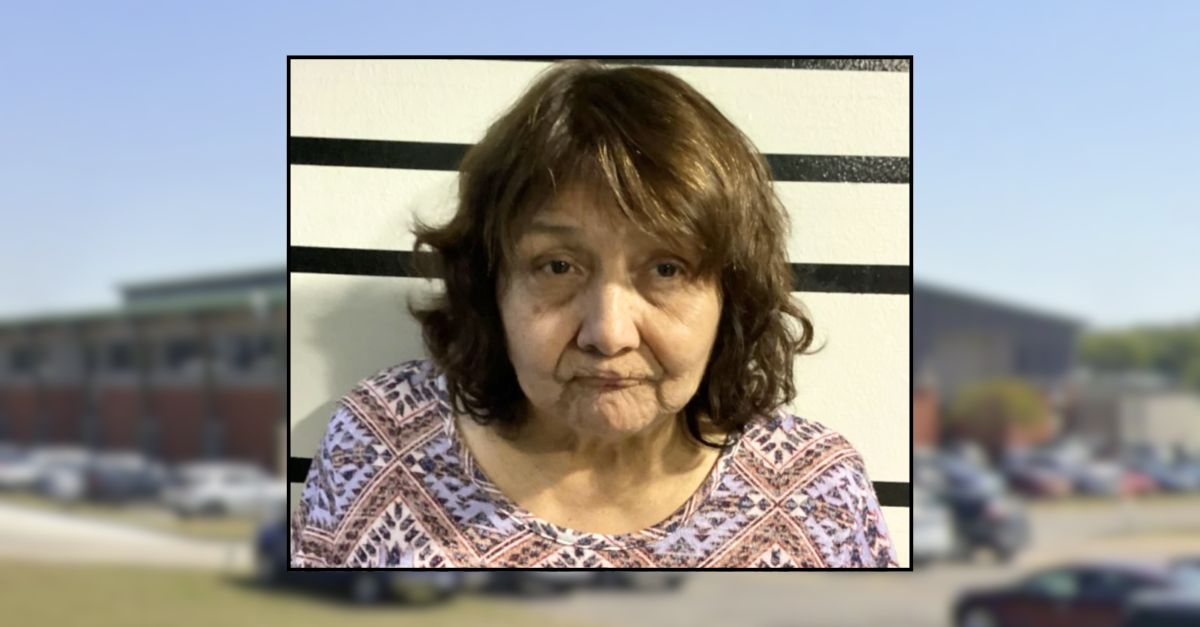
A homicide case unfolding in eastern Oklahoma has drawn significant attention after authorities charged a 70-year-old woman with first-degree murder in the death of her husband, a former tribal justice and longtime public figure. According to investigators, the shooting occurred late at night inside the couple’s home, ending the life of a man known for decades of public service within the Cherokee Nation and beyond.
The woman at the center of the case told authorities she feared for her safety, claiming she believed her husband posed an immediate threat to her life. Prosecutors, however, are examining the circumstances of the shooting, including the fact that the victim was reportedly asleep when he was shot. The case now moves through the Cherokee Nation District Court system, where questions surrounding motive, self-defense, and the events leading up to the shooting are expected to be central issues.
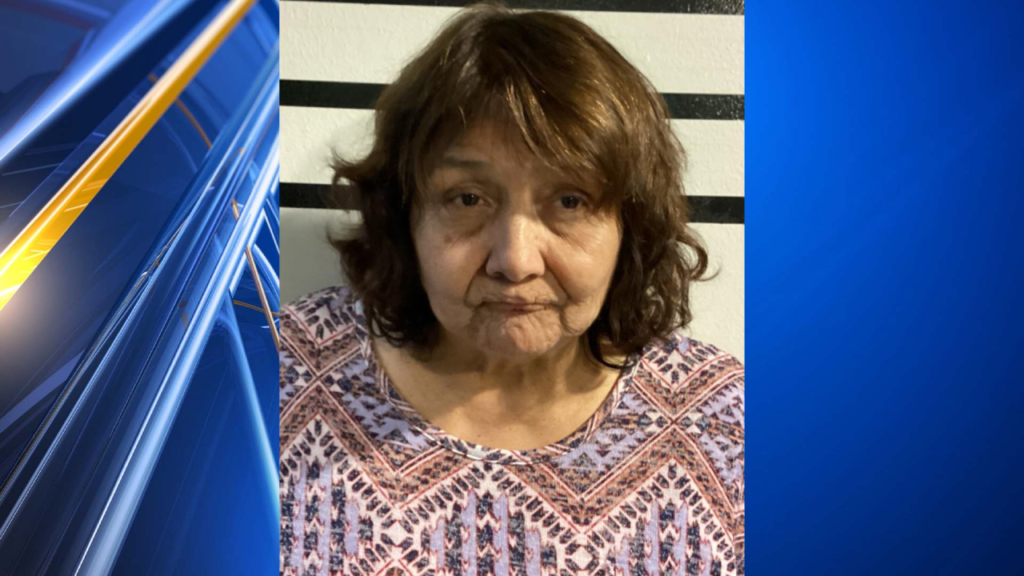
Authorities say the incident occurred on February 5, when Elizabeth Poteete allegedly shot her husband multiple times while he was resting on a couch inside their home in Vian. Law enforcement officials responded to a 911 call placed by Elizabeth Poteete herself, in which she reportedly told the dispatcher she had shot her husband and would be waiting for deputies outside the residence.
When officers arrived, they found Troy Wayne Poteete suffering from gunshot wounds. He was pronounced dead at the scene. Investigators have since gathered statements, reviewed evidence from the home, and documented the account provided by Elizabeth Poteete regarding why she fired the weapon. The case has moved forward formally, with prosecutors filing murder charges and the defendant now held without bond pending her scheduled court appearance.
Events Leading to the Shooting
According to investigators, the sequence of events began late in the evening when Elizabeth Poteete contacted emergency services. She reportedly informed the dispatcher that she had shot her husband multiple times. When deputies arrived, they found her waiting on the front porch, consistent with her statement during the call. Inside the residence, authorities discovered Troy Wayne Poteete lying on a couch with fatal gunshot wounds. Emergency responders determined he had died at the scene.
Law enforcement officials later interviewed Elizabeth Poteete, who provided an explanation for the shooting. She told investigators that her husband had threatened her life. According to her account, he claimed that his girlfriend and another individual intended to kill her. She described feeling immediate fear for her safety and said she believed she was in danger. Based on that fear, she retrieved a handgun stored inside a file cabinet.
Investigators reported that she stood approximately four to five feet away from her husband before firing multiple shots. She told authorities she did not know how many times she pulled the trigger. The victim, according to investigative records, had been sleeping at the time of the shooting. This detail has become a significant point of scrutiny in the case, as prosecutors consider whether the circumstances align with a legal claim of self-defense.
After the shooting, Elizabeth Poteete called 911 and waited for deputies to arrive. Law enforcement officers secured the scene, collected physical evidence, and documented her statements. Investigators also examined the layout of the home and the location of the firearm. The findings were compiled into court records supporting the first-degree murder charge.
Read : 34,000-Year-Old Active Termite Hills Discovered Near the Buffels River in South Africa
Authorities have not publicly detailed whether additional witnesses were present or whether prior domestic incidents were reported between the couple. However, the statements attributed to Elizabeth Poteete indicate she believed her life was in imminent danger, which she claims prompted her actions that night.
Background of Troy Wayne Poteete and Public Reaction
The victim, Troy Wayne Poteete, was a prominent figure in Cherokee Nation public life for many years. His career included service in leadership roles that placed him in positions of influence within tribal governance and cultural preservation efforts. He served eight years as a member of the Cherokee Nation Tribal Council and also held leadership responsibilities connected to the Arkansas Riverbed Authority. His work involved issues related to land management, resource oversight, and policy matters affecting tribal interests.
He was also a founding member of the Trail of Tears Association, an organization dedicated to preserving the historical memory and legacy of the forced removal of Native American tribes during the 19th century. The association focuses on education, preservation of historical routes, and public awareness of the cultural and historical impact of that period. His involvement in such initiatives contributed to his reputation as a figure committed to heritage preservation and community engagement.
In addition to these roles, he served as a justice on the Cherokee Nation Supreme Court, a position that placed him at the highest level of the tribal judicial system. His legal work and public service established him as a well-known figure across tribal and regional communities.
The news of his death, and the circumstances surrounding it, has drawn attention from individuals familiar with his public service as well as those observing the legal proceedings. The combination of his public stature and the nature of the allegations has made the case particularly notable. For many, the incident represents not only a domestic tragedy but also the loss of a long-standing community leader.
Public reaction has included expressions of shock at the circumstances described in investigative records, particularly the claim that he was asleep when the shooting occurred. At the same time, the defendant’s statement that she feared for her life has introduced a competing narrative that legal authorities must now examine carefully. As with many domestic homicide cases, the situation involves private dynamics that investigators are attempting to reconstruct through physical evidence, recorded statements, and forensic analysis.
Legal Proceedings and Questions of Self-Defense
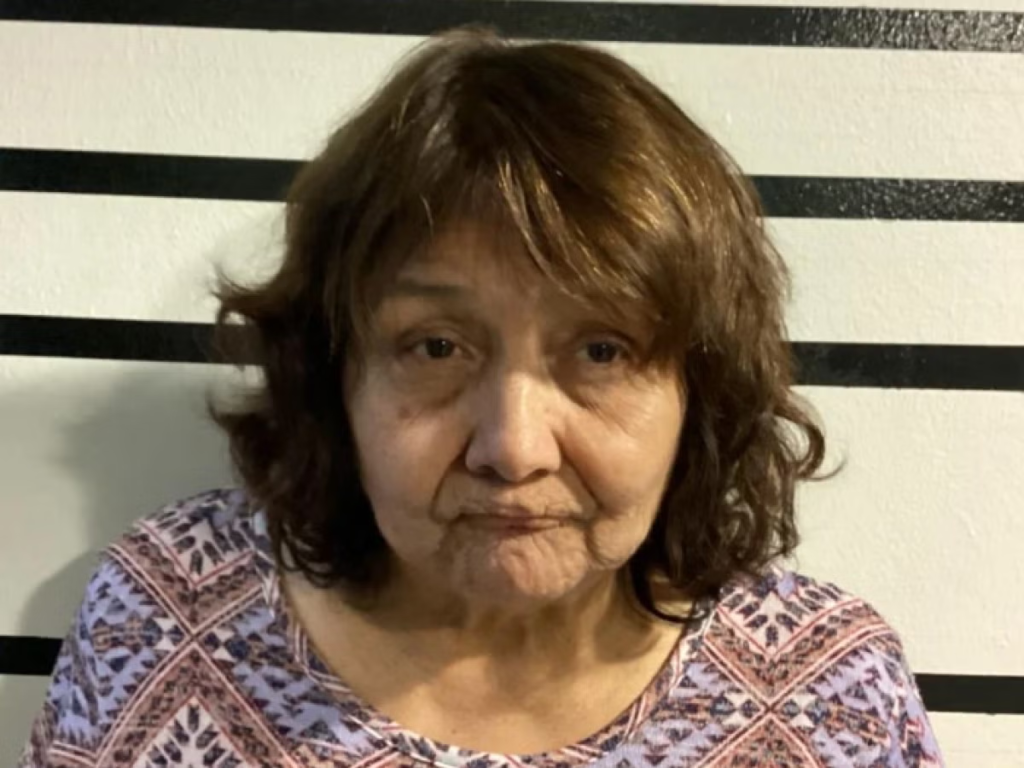
Elizabeth Poteete now faces a first-degree murder charge in Cherokee Nation District Court. Court records indicate she is being held without bond at the Sequoyah County Jail. Her initial court appearance has been scheduled, and the case will proceed through the standard judicial process, including hearings, evidentiary review, and potential pre-trial motions.
A central issue likely to emerge during proceedings is whether her claim of fear for her life meets the legal threshold required to justify the use of deadly force. Self-defense laws generally require a demonstration of immediate and unavoidable danger. Investigators and prosecutors will examine whether the circumstances described support or contradict such a claim. The fact that the victim was reportedly sleeping at the time of the shooting may play a significant role in how the case is evaluated legally.
Prosecutors will also review physical evidence from the home, including the firearm, bullet trajectories, and the positioning of both individuals at the time of the shooting. Forensic findings may help establish the sequence of events and determine whether the physical evidence aligns with the defendant’s account. Statements made during the 911 call and subsequent interviews may also become key pieces of evidence.
The defense, meanwhile, may focus on the defendant’s reported fear, any history of alleged threats, and the psychological or emotional state she claims to have experienced that night. Legal arguments may address whether perceived danger, even in the absence of an immediate physical attack, could support a claim of self-defense under applicable law. The case will also involve procedural considerations specific to Cherokee Nation jurisdiction, as the prosecution is taking place within the tribal court system. Legal standards, rules of evidence, and sentencing guidelines will be determined according to that framework.
As the legal process moves forward, the court will consider witness testimony, investigative reports, forensic findings, and legal arguments from both sides. The outcome will depend on how the court interprets the evidence and whether it determines the shooting constituted murder under the law or falls within a legally recognized justification. The case remains active, and further details are expected to emerge as court proceedings continue.
References:
Anabolic steroid use may cause all of the following side effects except
References:
https://mardplay.com/arnolddelagarz