

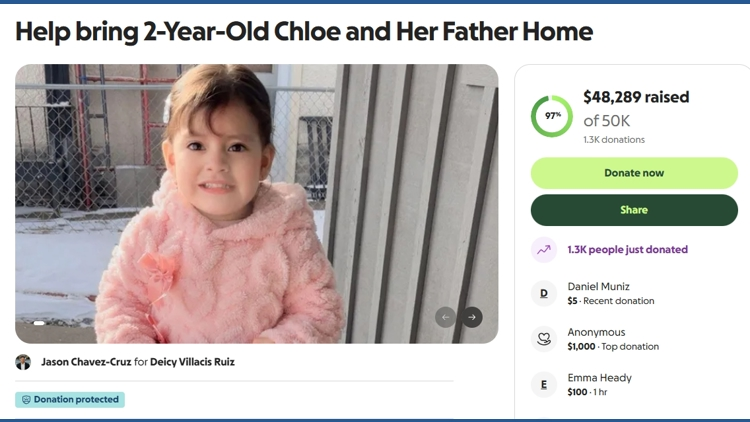
The detention of Elvis Joel Tipan-Echeverria and his 2-year-old daughter, Chloe Renata Tipan Villacis, by U.S. Immigration and Customs Enforcement in Minneapolis has intensified scrutiny of federal immigration enforcement tactics in the Twin Cities. The incident, which occurred in south Minneapolis as the father and child were returning home from a grocery store, has drawn sharp reactions from local officials, immigrant advocates, and community members. Conflicting accounts from the Department of Homeland Security and eyewitnesses have further fueled debate over the circumstances of the arrest, the treatment of the child, and the broader implications of ongoing immigration operations in Minnesota.
The case has emerged amid heightened federal activity under what DHS has termed “Operation Metro Surge,” a large-scale enforcement effort that has brought thousands of immigration personnel into the region. As details continue to unfold, the detention of a parent and toddler has become a focal point for discussions about due process, community trust, and the human consequences of aggressive immigration enforcement.
Conflicting Accounts of the Arrest in South Minneapolis
According to Minneapolis City Council member Jason Chavez, Elvis Joel Tipan-Echeverria and his daughter were stopped by federal agents while driving home in south Minneapolis. Chavez stated publicly that a suspicious vehicle followed the family, that agents broke a window of the father’s vehicle, and that no judicial warrant was presented during the apprehension. He described the incident as a kidnapping and said he met with the family later that evening, confirming that both the father and child had been taken into custody.
The Department of Homeland Security acknowledged that Tipan-Echeverria was detained and confirmed that he was with a child at the time of the stop. DHS identified him as an undocumented immigrant from Ecuador who, according to the agency, had committed felony reentry. Officials stated that agents attempted to stop him because he was driving erratically with a child in the vehicle. DHS further said that after he parked, he refused multiple lawful commands to open his door or lower his window, prompting agents to take him into custody.
A central point of dispute concerns the presence and role of the child’s mother during the arrest. DHS claimed that agents attempted to place the child with her mother, who was allegedly in the area, but that she refused to take custody at that time. The agency stated that the child was cared for by DHS personnel and later reunited with her father at a federal facility. The mother of the 2-year-old could not immediately be reached for comment, leaving unresolved questions about what transpired during those moments.
Read : 10 Must-Know Tips for First-Time Visitors to Switzerland
The scene reportedly escalated as bystanders gathered around the agents. DHS said that approximately 120 individuals surrounded the officers, blocked their exit, and later began throwing rocks and garbage cans, creating a dangerous situation for agents and the child. Crowd control measures were eventually deployed. Local officials and community witnesses, however, have questioned aspects of this account, particularly the level of force used during the arrest and whether it was proportionate to the situation.
Community Reaction and Local Officials’ Response
The detention sparked immediate outrage among local leaders and residents, many of whom viewed the incident as emblematic of overly aggressive enforcement practices. Council member Chavez used social media to bring attention to the case, emphasizing the age of the child and the lack of what he described as due process protections. His statements amplified public concern and helped mobilize community response, including protests against ICE operations in Minneapolis.
The incident followed closely on another highly publicized case involving a 5-year-old boy, Liam Conejo Ramos, and his father, Adrian Alexander Conejo Arias, who were also detained by ICE days earlier. That case drew international media attention and intensified criticism of federal immigration actions in the Twin Cities. In Liam’s case, DHS similarly claimed that the child’s mother refused to take custody during the father’s apprehension, a claim disputed by a school board chair who said she heard an adult inside the home pleading with agents to leave the child.
These back-to-back incidents have deepened mistrust between immigrant communities and federal authorities. Advocates argue that detaining parents in front of their children, or taking children into custody during enforcement actions, causes lasting psychological harm and undermines community safety. They also contend that such actions discourage cooperation with law enforcement more broadly, as families fear that routine activities could result in detention or separation.
Local officials have called for greater transparency and accountability from federal agencies operating within city limits. Some have urged the federal government to clarify its policies regarding the presence of children during arrests and to ensure that humanitarian considerations are prioritized. Others have renewed calls for Minneapolis to strengthen its status as a sanctuary city and limit cooperation with federal immigration authorities, though such measures face legal and political constraints.
Broader Immigration Crackdown in Minnesota
The detention of Tipan-Echeverria and his daughter is occurring within the context of a significant escalation in immigration enforcement across Minnesota. Since December, more than 3,000 federal immigration personnel have been deployed to the state as part of Operation Metro Surge. DHS has said that approximately 3,000 people unlawfully present in the country have been apprehended in the region in recent weeks, framing the operation as a necessary response to public safety concerns and alleged criminal activity.

Federal authorities have linked the increased presence in part to heightened scrutiny following a viral video released by a right-wing YouTuber. The video alleged widespread fraud at child care centers owned by Somali immigrants, drawing national attention to an ongoing Justice Department investigation into an alleged $250 million fraud scheme involving some members of Minnesota’s Somali community. While the investigation targets specific individuals and organizations, advocates warn that the resulting enforcement surge has had a chilling effect on entire communities, many of whom have no connection to the alleged crimes.
Critics argue that large-scale operations like Metro Surge blur the line between targeted enforcement and broad sweeps that disproportionately affect families and long-term residents. They point to cases like that of Tipan-Echeverria to illustrate how enforcement actions can ensnare children and escalate into public confrontations. DHS, meanwhile, maintains that its agents are enforcing the law and prioritizing safety, noting alleged erratic driving and resistance to lawful commands in this case.
The debate has also raised questions about the legal standards governing immigration arrests, including the use of administrative versus judicial warrants, the circumstances under which force may be used, and the obligations of agents when minors are present. Legal experts note that while ICE has broad authority to enforce immigration law, the manner in which that authority is exercised can have significant legal and ethical implications, particularly when conflicting narratives emerge.
As Minneapolis and the broader Twin Cities region continue to grapple with the impact of intensified immigration enforcement, the case of Elvis Joel Tipan-Echeverria and his young daughter remains a potent symbol of the tensions at play. It underscores the human dimension of immigration policy, where legal classifications intersect with family life and community stability. With protests ongoing and local leaders pressing for answers, the incident is likely to remain part of a wider national conversation about how immigration laws are enforced and at what cost to the most vulnerable.