

The Élysée Palace in Paris, the official residence of the French president, has recently been at the center of a scandal involving the theft of valuable silverware and porcelain. Authorities arrested a silver steward employed at the palace along with two alleged accomplices for stealing objects from the palace and attempting to sell them on online auction platforms, including Vinted.
The items, many of which are considered national heritage, are estimated to have a combined value of up to €40,000 (£35,000). The incident has heightened concerns about the security of France’s cultural and historic institutions, following a series of high-profile thefts from museums and heritage sites in recent months.
The Theft and Investigation
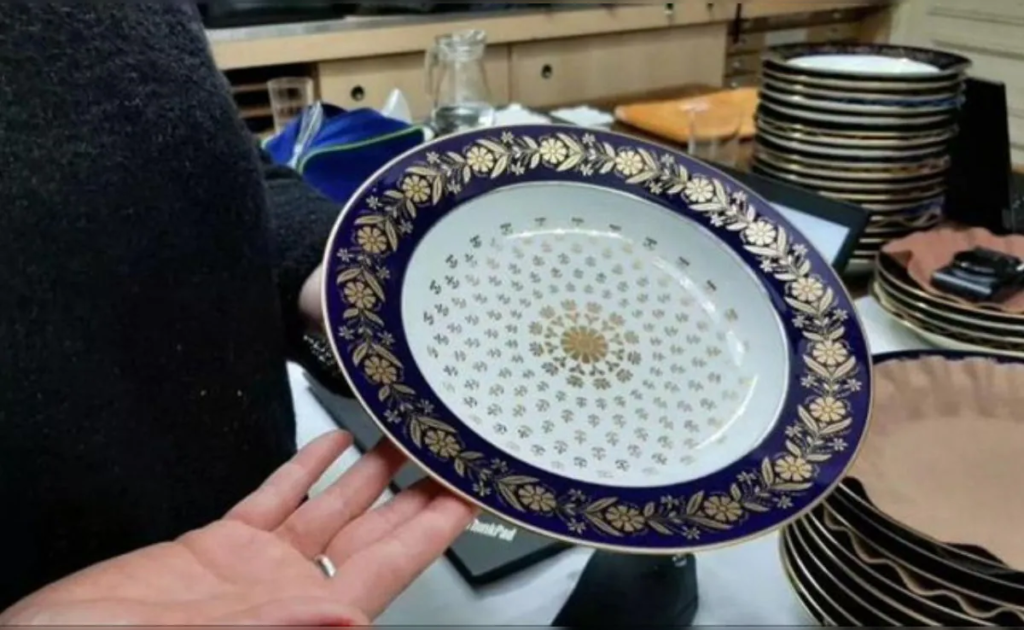
The arrest of the Élysée Palace silver steward followed an investigation triggered by the palace’s head steward, who noticed the disappearance of valuable items from the official residence. The stolen objects included Sèvres porcelain, Baccarat champagne coupes, a René Lalique statuette, and copper saucepans, many of which are not ordinarily available to the public. Several of the pieces originated from the Sèvres Manufactory in Paris, a state-owned porcelain factory with a history dating back to 1759.
Investigators focused on palace staff after Sèvres factory personnel recognized some of the missing items being sold on auction websites. The steward and his accomplices reportedly attempted to sell the objects online, with some items displaying stamps such as “French Air Force” and “Sèvres Manufactory,” clearly marking them as pieces of historic and national significance. Authorities recovered approximately 100 items from the suspect’s home, vehicle, and personal locker, suggesting that the thefts were part of a planned operation rather than isolated incidents.
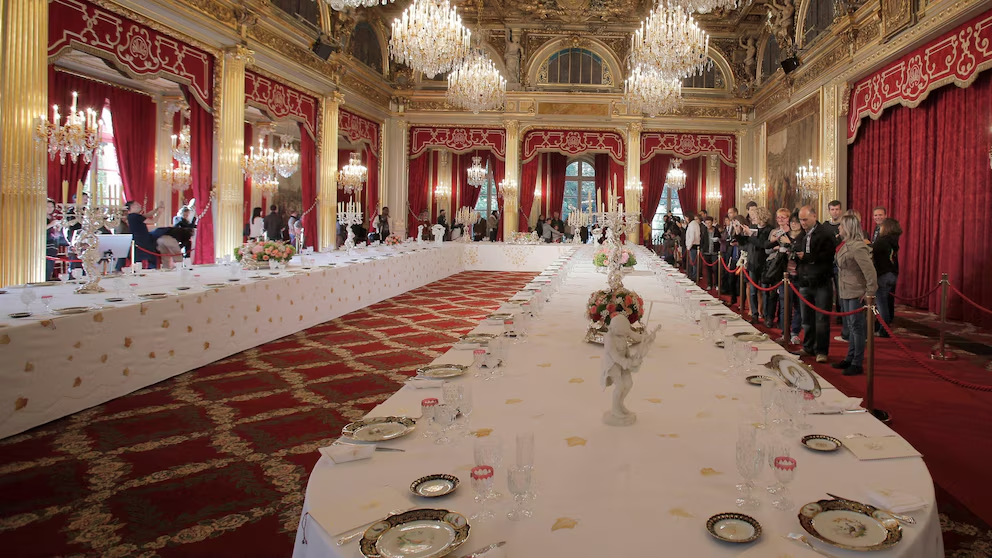
Prosecutors also found inventory records maintained by the steward, indicating that he may have intended to carry out further thefts. The man’s position as a silver steward gave him unique access to the Élysée’s collection of tableware and porcelain, which is used during official functions attended by visiting dignitaries and royalty. As such, the role inherently demands strict adherence to trust and responsibility, making the betrayal of that trust a particularly serious breach.
Read : How to Find Peace: Embracing Kindness as the Path to Inner Serenity
The three suspects appeared in court on 18 December and are scheduled for trial on 26 February. During this period, they have been placed under judicial supervision, prohibited from contacting one another, barred from participating in auctions, and restricted from engaging in their professional activities. This precautionary approach highlights the judiciary’s commitment to preventing further incidents while the case is being processed.
A Pattern of Theft Across French Institutions
The Élysée Palace theft is part of a broader trend of robberies targeting French cultural and historical institutions. In recent months, several other sites have experienced significant losses, raising questions about the adequacy of security measures. For instance, Paris’s Natural History Museum and a porcelain museum in Limoges were raided in September. These incidents resulted in the loss of six gold nuggets worth around €1.5 million (£1.3 million) and Chinese porcelain valued at approximately €6.55 million (£5.7 million).
In October, the Maison des Lumières in Langres, a museum dedicated to the philosopher Denis Diderot, was targeted, resulting in the theft of around 2,000 gold and silver coins worth approximately €90,000 (£78,000). Most notably, the Louvre experienced a daylight robbery in October, during which crown jewels estimated at €88 million (£77 million) were stolen. Although four suspects have been arrested in relation to the Louvre heist, many of the items remain missing.
The recurrence of these incidents has put pressure on French authorities to reevaluate and strengthen security protocols across the nation’s cultural institutions. The thefts not only involve financial loss but also compromise items of significant historical and artistic value. These events have sparked public concern and debate regarding the level of protection afforded to national treasures and the need for stricter oversight of personnel entrusted with their care.
Implications for Heritage Security and Trust
The arrest of a palace insider for stealing national heritage items underscores the vulnerabilities that exist even within highly secure institutions. The silver steward’s position provided him access to objects that were not only valuable in monetary terms but also culturally significant. Such breaches of trust highlight the importance of comprehensive inventory management, regular audits, and rigorous background checks for staff who handle sensitive collections.
The Élysée Palace case also sheds light on the potential risks posed by online marketplaces for the sale of rare and heritage items. Investigators discovered that some of the stolen items had been listed on Vinted, an online auction site, which facilitated the attempt to monetize the thefts. This raises concerns about the accessibility of historic objects to unscrupulous buyers and underscores the necessity of monitoring online platforms for the sale of potentially stolen heritage goods.
Furthermore, the recovery of the stolen items from the Élysée Palace contrasts with the ongoing uncertainty surrounding the Louvre’s missing crown jewels. While authorities successfully retrieved around 100 objects from the steward and his accomplices, the Louvre incident demonstrates that thefts of this scale can have long-lasting consequences for public institutions, leaving irreplaceable cultural artifacts in jeopardy.
The Élysée Palace theft also emphasizes the broader challenge of balancing accessibility with security. Museums and official residences aim to make heritage items available for public viewing or ceremonial use, yet such access inherently introduces risks. The French authorities now face the dual task of ensuring the safety of these objects while maintaining the transparency and accessibility that allow the public to engage with the nation’s cultural legacy.
In addition to security implications, the scandal may have reputational consequences. The Élysée Palace is an emblem of national governance and prestige, and any internal breach of trust reflects poorly on its administration. It also illustrates the human element of heritage management, where lapses in judgment or morality can have significant ramifications, regardless of the institution’s physical security measures.
In conclusion, the arrest of the Élysée Palace silver steward for stealing Sèvres porcelain and tableware represents a cautionary tale about the vulnerabilities inherent in managing national heritage. It forms part of a disturbing trend of thefts from French cultural institutions, highlighting the need for enhanced security, stricter oversight of staff, and vigilant monitoring of online marketplaces.
The successful recovery of the stolen items offers a temporary resolution, but the broader implications for safeguarding France’s historic treasures remain pressing. As authorities prepare for the trial in February, the case underscores the delicate balance between trust, accessibility, and security in the stewardship of cultural heritage.