
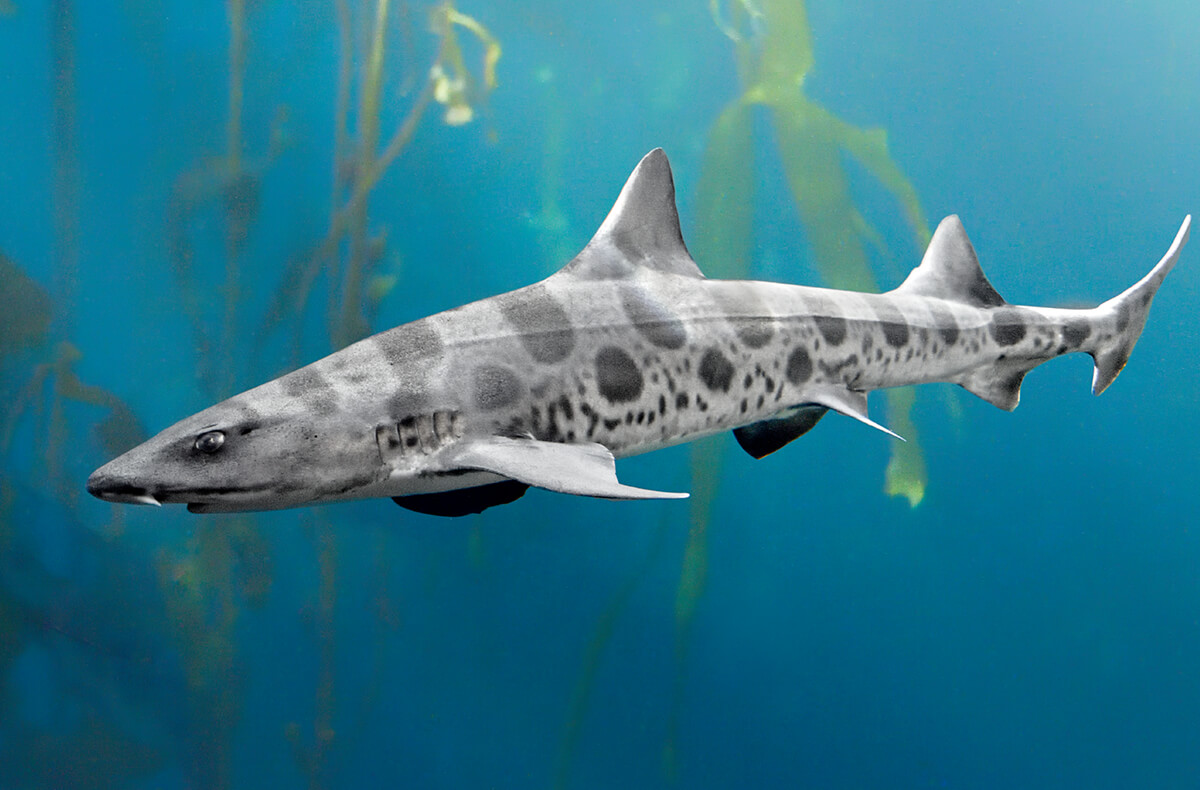
A routine coastal hike turned into a disturbing and puzzling discovery when Emily Dean and her companions came across more than a dozen dead baby leopard sharks along a trail near Black’s Beach in La Jolla, San Diego. The sight was not only unexpected but deeply unsettling, as the sharks appeared to have been deliberately placed along the path, some left out to dry on rocks. What initially seemed like an isolated and strange occurrence quickly raised broader concerns about marine conservation, human interference, and the health of local ecosystems. The incident has since drawn attention from marine experts, conservationists, and the wider public, prompting questions about what exactly happened and why.
Leopard sharks are a familiar presence along the Southern California coastline, particularly in La Jolla, where they are often seen in large numbers. Known for their distinctive spotted patterns and relatively docile nature, these sharks are considered harmless to humans and are a popular attraction for snorkelers and marine life enthusiasts. The discovery of multiple dead juveniles in a protected coastal area, however, has cast a shadow over what is typically viewed as a thriving marine habitat.
A Disturbing Discovery on a Popular Coastal Trail
Emily Dean described the moment she and her group encountered the sharks as both shocking and confusing. While hiking along the trail leading down to Black’s Beach, they noticed several small shark bodies laid out in an unusual manner. According to her account, some of the sharks were placed on rocks, appearing as though they had been intentionally arranged rather than washed up naturally by the tide. The presence of water marks suggested that the animals had been recently removed from the ocean and left to dry.
The discovery was not limited to just a few isolated specimens. As the group continued along the trail, they found more of the dead sharks, totaling over a dozen. This pattern raised immediate concerns that the situation was not a random occurrence but possibly the result of deliberate human action. The idea that someone might have caught the sharks and then discarded them in such a manner has sparked significant unease among both locals and environmental observers.
The location of the incident adds another layer of concern. Black’s Beach lies near a designated marine conservation area, a protected zone intended to preserve marine biodiversity and limit harmful human activities. Such areas are typically subject to strict regulations regarding fishing and wildlife interaction. The presence of dead marine animals in this setting suggests either a violation of those protections or an unusual event that requires further investigation.
Read : Top Ten Lessons to Learn from Japanese Culture
For those familiar with the area, the trail where the sharks were found is a well-traveled route used by hikers, beachgoers, and nature enthusiasts. The visibility of the sharks along this path indicates that whoever was responsible did not attempt to conceal their actions, further deepening the mystery surrounding the incident.
Understanding Leopard Sharks and Their Coastal Habitat
Leopard sharks are a common species found in the shallow coastal waters of the eastern Pacific Ocean, particularly along the California coastline. They are known for their seasonal aggregations, often gathering in large numbers in areas like La Jolla during the warmer months. These gatherings typically begin around June and can continue through the summer and early fall, although the sharks can be observed in the region throughout the year.
Read : 16-Year-Old Aiden Andrews Discovers 6-Inch Megalodon Shark Tooth Off Manasota Key
Juvenile leopard sharks, like those discovered on the trail, tend to inhabit shallow waters where they are less vulnerable to larger predators. These nursery areas are crucial for their development and survival, making them particularly important from a conservation standpoint. The loss of multiple juveniles in a single incident can have localized ecological implications, especially if such events are repeated or part of a broader pattern.
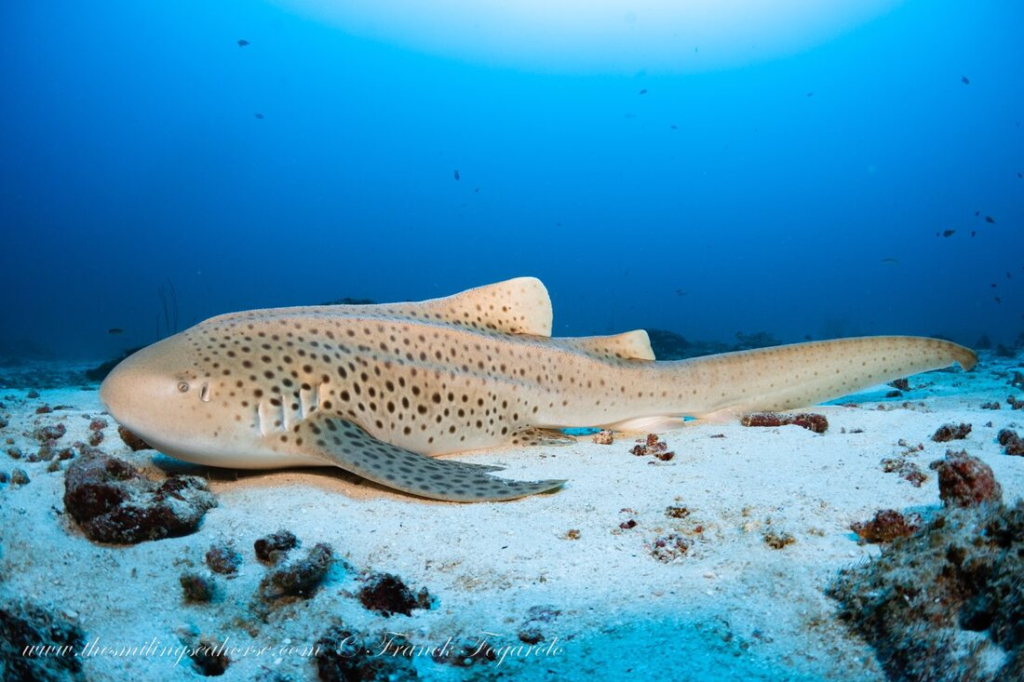
Despite their size, which can reach up to seven feet in adulthood, leopard sharks are considered harmless to humans. They are known for their calm behavior and are often seen swimming peacefully in groups. Their presence in coastal waters has even become a point of interest for tourists and locals, who frequently snorkel in designated areas to observe them up close.
Fishing for leopard sharks is permitted in certain parts of Southern California, subject to regulations that govern catch limits and methods. However, within marine conservation areas, such activities are typically restricted or entirely prohibited. This makes the discovery of dead sharks near a protected zone particularly concerning, as it raises the possibility of illegal fishing or mishandling of marine wildlife.
Marine experts have noted that while fishing pressure exists, the specific scenario of multiple sharks being found arranged and left on land is highly unusual. Natural causes such as disease, pollution, or environmental stressors could lead to shark deaths, but they would not typically result in the animals being placed in such a deliberate manner. This distinction has led many to suspect human involvement as a likely factor.
Environmental Concerns and the Need for Investigation
The incident has prompted calls for closer examination and potential investigation by local authorities and marine conservation organizations. Acts that harm marine life, particularly within protected areas, are not only environmentally damaging but may also constitute legal violations. The deliberate removal and disposal of marine animals can disrupt ecosystems and undermine conservation efforts that have been put in place over decades.
Read : James Hetfield Proposes to Girlfriend Adriana Gillett Underwater During Shark Dive
Marine conservation areas are designed to serve as safe havens where species can thrive without significant human interference. These zones play a critical role in maintaining biodiversity, supporting fish populations, and preserving the overall health of marine ecosystems. Any activity that compromises these protections can have ripple effects that extend beyond the immediate area.
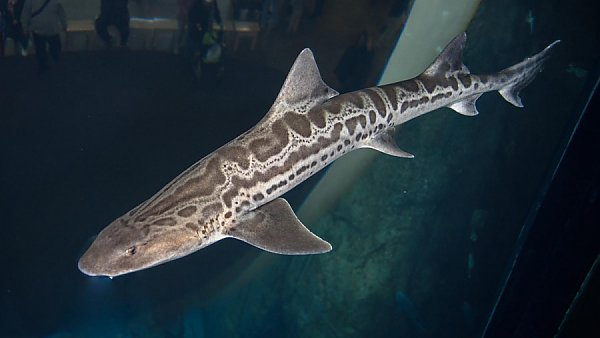
The presence of dead baby sharks also raises questions about public awareness and education regarding marine life. While some individuals may not fully understand the importance of conservation regulations, others may knowingly disregard them. In either case, incidents like this highlight the need for continued outreach and enforcement to ensure that protected areas are respected and preserved.
Another aspect to consider is the broader environmental context. Coastal ecosystems are already facing a range of challenges, including climate change, pollution, and habitat degradation. The addition of human-induced harm, whether intentional or accidental, further strains these systems and reduces their resilience. Protecting vulnerable species, especially juveniles, is essential for maintaining ecological balance and ensuring the long-term sustainability of marine environments.
The unusual nature of the discovery also underscores the importance of reporting and documenting such incidents. Observations by individuals like Emily Dean can provide valuable information that helps scientists and authorities identify patterns, assess risks, and respond appropriately. Without such reports, incidents may go unnoticed, allowing harmful practices to continue unchecked.
As attention around the incident grows, it may lead to increased monitoring of the area and a more thorough investigation into what occurred. This could involve examining fishing activity in nearby waters, reviewing surveillance or witness reports, and assessing whether similar incidents have taken place in the past. Understanding the cause is essential for preventing future occurrences and ensuring that the area remains a safe and thriving habitat for marine life.