
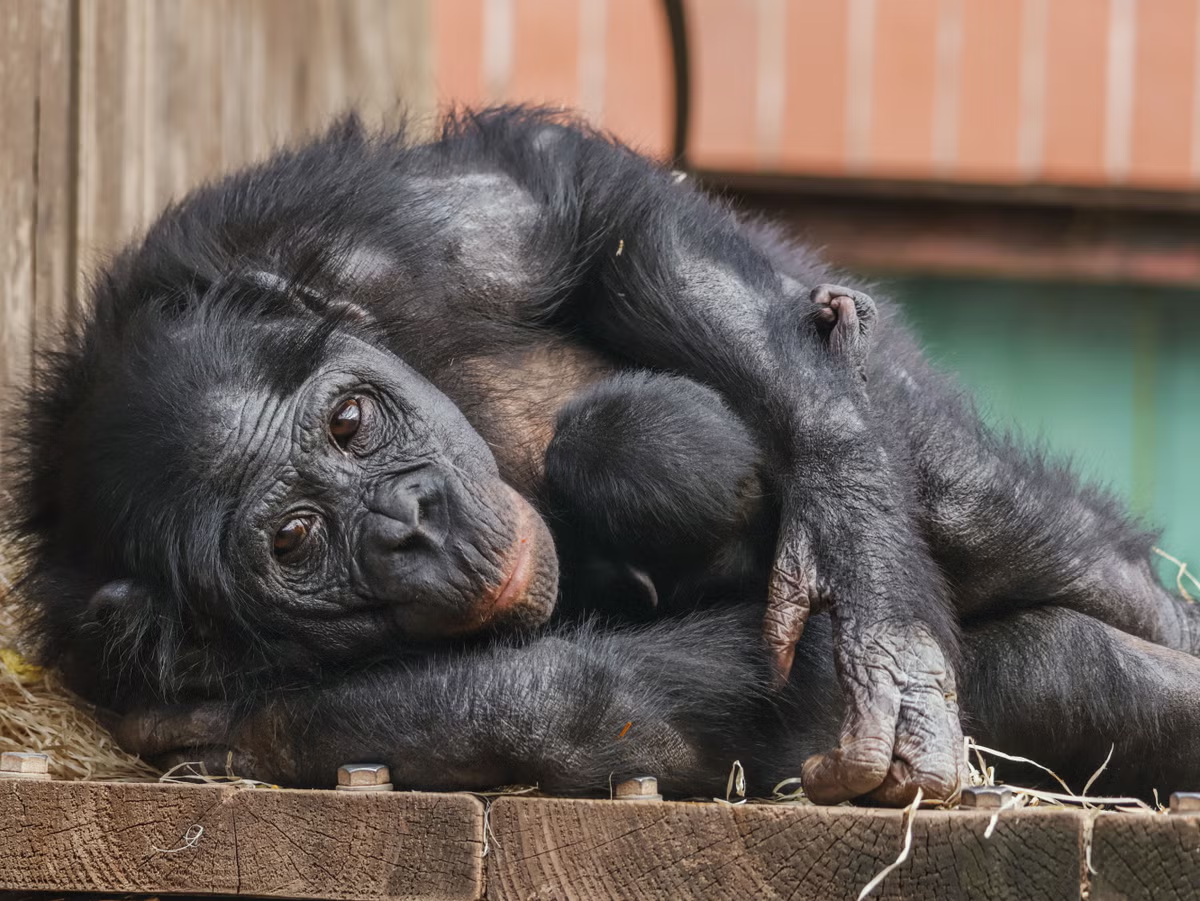
In a heartwarming milestone for wildlife conservation, Twycross Zoo in Leicestershire has welcomed the UK’s first endangered baby bonobo since 2019. Born on September 11, 2025, this tiny primate represents not just a new life but a beacon of hope for one of humanity’s closest relatives teetering on the brink of extinction. As the only zoo in the United Kingdom housing bonobos, Twycross plays a pivotal role in safeguarding this species, and this birth underscores the vital work being done behind the scenes to bolster their numbers. With fewer than 20,000 bonobos left in the wild, every success in captivity like this one amplifies the urgency of global efforts to protect their rainforest home.
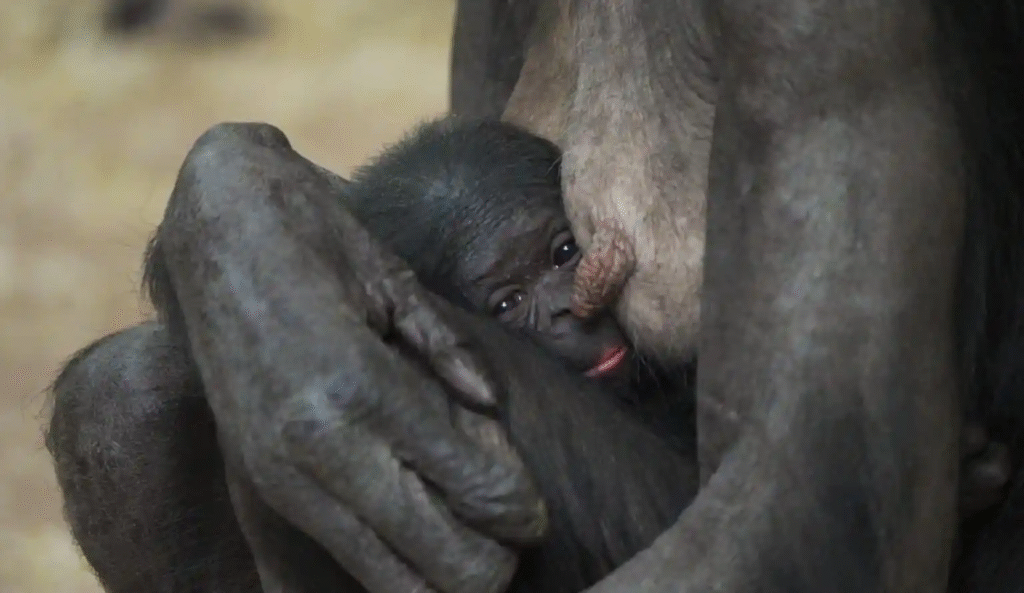
The arrival of this baby boy—still unnamed but already captivating visitors—has sparked widespread excitement among conservationists and zoo enthusiasts alike. Clinging securely to his first-time mother, Yuli, the newborn is a testament to the careful breeding programs that prioritize genetic diversity and animal welfare. Dr. Rebecca Biddle, Twycross Zoo’s chief conservation officer, described the event as a “profoundly significant moment—a symbol of hope for one of the world’s most threatened great apes.” This isn’t merely a feel-good story; it’s a reminder of how zoos are evolving from mere exhibits to active players in species survival.
The Remarkable World of Bonobos: Our Closest Cousins
Bonobos, scientifically known as Pan paniscus, are often overshadowed by their more famous relatives, the chimpanzees. Yet, these gentle apes hold a special place in the tree of life as humanity’s closest living relatives, sharing approximately 98.7 percent of our DNA. Native exclusively to the lush rainforests south of the Congo River in the Democratic Republic of the Congo (DRC), bonobos embody a unique blend of intelligence, empathy, and social ingenuity that sets them apart. Unlike the more aggressive chimps, bonobos are renowned for resolving conflicts through affection rather than aggression—think hugs, kisses, and even more intimate gestures that strengthen community bonds.
Their society is matriarchal, with females holding the reins of power, a structure that promotes cooperation and reduces violence. Bonobos are also natural innovators: they’ve been observed using tools to fish for termites, building nests with leaves, and even creating herbal remedies by chewing plants to soothe wounds. Their expressive faces—complete with wide smiles, furrowed brows, and playful grimaces—mirror human emotions so closely that studying them offers profound insights into our own evolutionary past.
Linguists and psychologists alike draw parallels between bonobo vocalizations and early human communication, suggesting these apes whisper secrets and shout warnings in ways that echo our ancestral tongues. But this idyllic existence is under siege. Classified as endangered on the International Union for Conservation of Nature (IUCN) Red List, bonobos face a cocktail of threats that have driven their population down by over 50 percent in the last three decades. Habitat destruction from logging, mining, and agricultural expansion fragments their once-vast territories, while the illegal bushmeat trade claims countless lives.
Read : Democratic Republic of the Congo: Discover the Heart of Africa’s Majestic Wilderness
Civil unrest in the DRC has further hampered surveys and protection efforts, leaving experts to estimate that fewer than 20,000 individuals roam the wild—a number projected to dwindle further over the next 45 to 55 years without intervention. Poaching isn’t just for meat; infants are often captured for the pet trade, orphaning mothers and destabilizing troops. Climate change exacerbates these woes, altering rainfall patterns and food availability in their equatorial home.
Read : The Truth Behind The Baby Born With Four Inch Long Tail In China
Despite their peace-loving nature, bonobos’ remote habitat has kept them enigmatic, with much of their behavior still shrouded in mystery. This lack of understanding only heightens the stakes: as Dr. Biddle notes, “Bonobos are humans’ closest living relatives, yet they remain one of the most endangered and least understood apes on Earth.” In a world racing toward biodiversity collapse, the bonobo’s plight is a clarion call to action, reminding us that losing them would mean erasing a vital chapter of our shared history.
A Joyful Arrival: Yuli and Her Newborn at Twycross Zoo
Nestled in the heart of Leicestershire, Twycross Zoo has long been a sanctuary for great apes, but this September’s event marks a historic chapter. On the 11th, under the watchful eyes of expert keepers, 11-year-old Yuli—a first-time mother—delivered a healthy male bonobo after a gestation period of about 8 months. Yuli, who arrived at the zoo in 2023 from Vallée des Singes in France, was carefully selected as part of a meticulous breeding match to enhance genetic diversity. This little one is not just any birth; it’s the first bonobo infant born in the UK in over six years, a gap that underscores the rarity of such successes in captivity.
The delivery was smooth, with Yuli instinctively cradling her son from the moment he emerged, ensuring he nurses frequently and stays close to her chest for warmth and security. Keepers report that the pair is bonding beautifully, with Yuli displaying classic bonobo maternal behaviors: grooming her baby tenderly, vocalizing soft reassurances, and introducing him gradually to the troop. Visitors to the zoo can already glimpse this duo through viewing windows, where the infant’s tiny fingers clutch his mother’s fur—a sight that has drawn crowds eager to witness such fragility and strength intertwined.
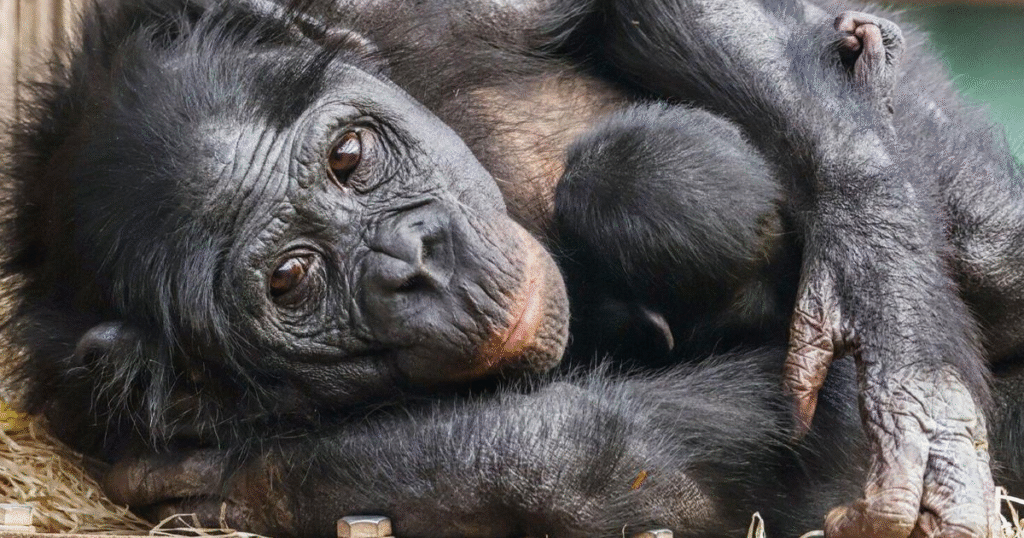
Twycross Zoo, home to 10 percent of the European bonobo population, maintains a troop of around 10 individuals in a spacious, enriched enclosure mimicking their Congo habitat: towering platforms for swinging, puzzle feeders for foraging, and even misting systems to replicate humid rainforest conditions. The facility’s commitment to naturalistic settings has paid off, as evidenced by Yuli’s confidence during labor. “Every birth is a true milestone and a powerful reminder of what can be achieved when zoos work together,” Dr. Biddle emphasized, highlighting the seamless collaboration with fellow institutions.
This isn’t Twycross’s first rodeo—past successes like the 2022 birth of Upendi, who just celebrated his third birthday, demonstrate the zoo’s expertise. Yet, with Yuli as a novice parent, keepers remain vigilant, monitoring for signs of stress or nutritional needs. The infant’s progress is tracked via non-invasive ultrasounds and behavioral observations, ensuring he thrives in this artificial yet supportive wild. For now, the nursery echoes with contented coos, a symphony of survival that fills the zoo with optimism.
Conservation Triumph: Safeguarding Bonobos for Tomorrow
This bonobo’s birth transcends zoo walls, injecting fresh momentum into international conservation strategies. Twycross Zoo is a cornerstone of the European Association of Zoos and Aquaria (EAZA) Bonobo European Endangered Species Programme (EEP), which orchestrates breeding loans like Yuli’s to foster a robust, genetically varied captive population. By maintaining healthy individuals, zoos serve as genetic arks, providing candidates for potential reintroduction and invaluable data on behavior and health. Jeroen Stevens, the Bonobo EEP Coordinator, has praised such births as “reason to celebrate,” emphasizing their role in countering the fragmentation of wild populations.
Globally, Twycross partners with Friends of Bonobos in the DRC, funding on-the-ground initiatives to patrol habitats, rescue orphans, and rehabilitate them for release. These efforts tackle root causes: anti-poaching patrols armed with drones deter hunters, while community education programs in bonobo-range villages promote sustainable farming over slash-and-burn practices. Reforestation projects plant native trees to reconnect fragmented forests, creating wildlife corridors that allow troops to roam freely.
In the DRC, where poverty drives much of the bushmeat trade, economic alternatives like ecotourism—showcasing bonobo sanctuaries—empower locals to become guardians rather than threats. The zoo’s new £25 million Great Apes Centre, set to open soon, will further amplify these impacts, functioning as a conservation hub with labs for genetic research and classrooms for public outreach. Educational programs at Twycross already engage thousands annually, teaching visitors about bonobo empathy to foster empathy for conservation.
This holistic approach—blending captive breeding, field protection, and awareness—has stabilized some populations, but challenges persist. Rising global demand for coltan (used in electronics) fuels mining in bonobo territories, and political instability hampers aid. Yet, milestones like this birth prove resilience: as Dr. Biddle asserts, “The arrival of this baby is not just a joyful sign of hope, but a vital step forward to ensuring bonobos have a future for generations to come.”
In the end, this little bonobo at Twycross Zoo embodies the delicate balance of hope and hustle in wildlife preservation. His cries echo the call to protect not just a species, but the intricate web of life that binds us all. As we celebrate his first days, let’s commit to actions—big and small—that ensure his kind swings through Congo canopies for centuries. After all, in saving the bonobo, we glimpse our own reflection and resolve to do better.