
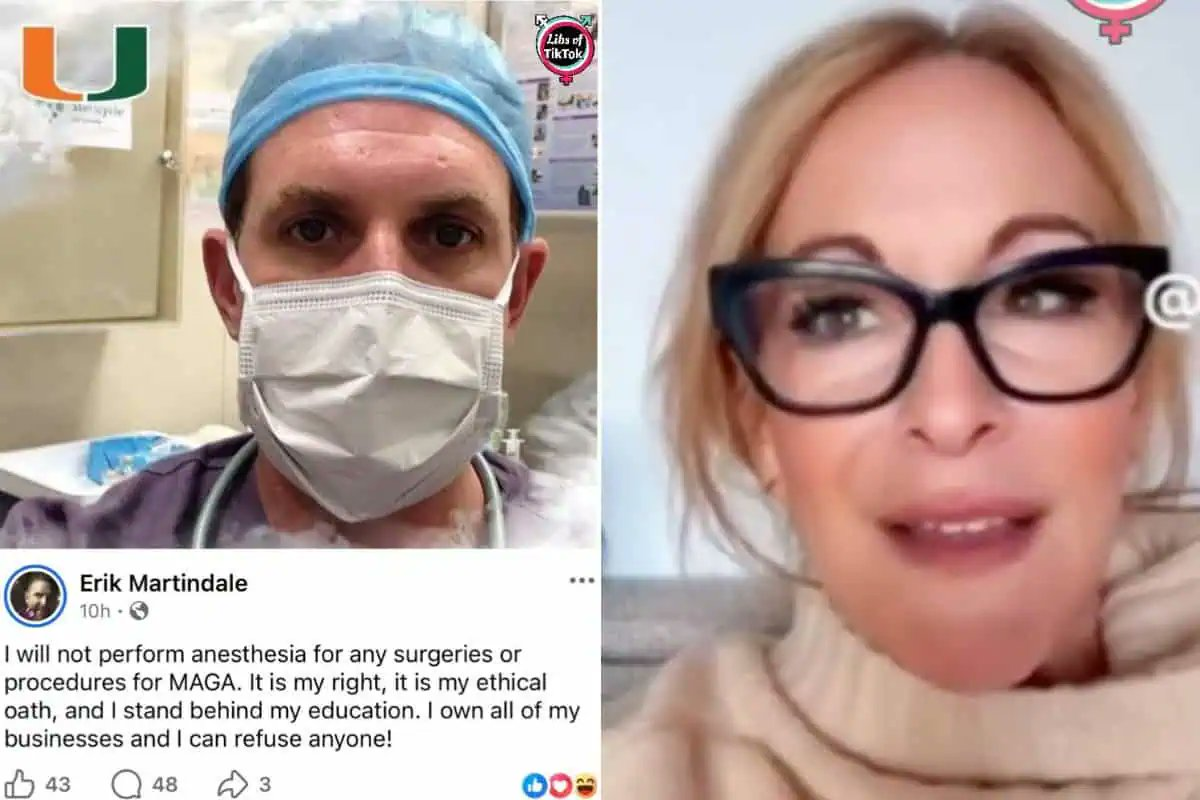
The name Erik Martindale has rapidly circulated across social media and political commentary spaces following a controversial claim attributed to the Florida-based nurse, in which he allegedly stated he would refuse to administer anesthesia to supporters of the Make America Great Again (MAGA) movement. The post, which quickly drew condemnation, reignited broader debates about political polarization in healthcare, professional ethics, and whether personal ideology can ever justify denying medical treatment.
Although Martindale later suggested his social media account had been compromised, the episode triggered widespread backlash, calls for professional discipline, and renewed scrutiny of how healthcare workers conduct themselves publicly in an increasingly divided political climate. The controversy has also emerged alongside other recent incidents involving nurses and politically charged speech, intensifying concerns within medical institutions about trust, neutrality, and patient safety.
Background of Erik Martindale and the Viral Post
Erik Martindale is identified as a registered nurse based in Florida, though details about his specific workplace, employer, or scope of practice have not been independently verified. His sudden rise to public attention stemmed from a Facebook post that began circulating widely across platforms, in which he allegedly declared that he would not provide anesthesia services to individuals affiliated with or supportive of the MAGA movement. In the post, Martindale framed his stance as an ethical decision, asserting that his professional oath and education justified refusing care to certain patients based on their political beliefs.
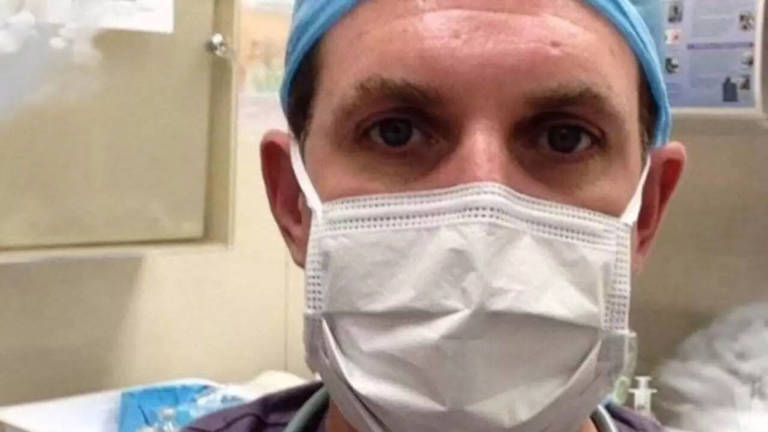
The post further claimed that Martindale owned his own businesses, arguing that this gave him the right to deny service at his discretion. Accompanying the statement was a close-up photograph purportedly showing him in nursing attire, which added to the perception of authenticity and intensified the reaction online. While the content spread rapidly, some outlets, including HT.com, noted they could not independently verify whether the post and images were genuine or whether Martindale was actively practicing in a role that involved administering anesthesia.
Public reaction was swift and intense. Many critics argued that refusing medical treatment on political grounds violated core principles of healthcare ethics, including impartiality and the duty to provide care without discrimination. Commenters across social media platforms called for Martindale to be fired, stripped of his nursing license, or barred from clinical practice. Others questioned whether the post reflected a real and enforceable position or whether it was an inflammatory statement designed to provoke outrage.
Meet Erik Martindale, a registered Florida nurse.
— Libs of TikTok (@libsoftiktok) January 26, 2026
He says he won’t give anesthesia for Republicans undergoing surgery and believes that’s his right and is ethical.
He needs to be fired and stripped of his license immediately. @FLNursingBoard pic.twitter.com/CP3dWHH1CX
As criticism mounted, Martindale reportedly deleted the post and later claimed that his social media account had been hacked. This explanation was met with skepticism, particularly among commentators who noted that similar defenses have been used in past controversies involving public figures. Prominent social media accounts amplified doubts about the hacking claim, suggesting that the retraction came only after significant backlash had already occurred.
Ethical, Legal, and Professional Implications
The controversy surrounding Erik Martindale has highlighted longstanding ethical expectations within the medical profession. Healthcare providers in the United States are generally bound by professional codes that require them to treat patients without discrimination based on race, religion, political belief, or other non-medical characteristics. For nurses and anesthesia providers in particular, the obligation to prioritize patient safety and wellbeing is foundational to licensure and professional conduct.
Legal experts and medical ethicists have noted that refusing medically necessary care on ideological grounds could expose a practitioner to serious consequences, including disciplinary action by state licensing boards, civil liability, and potential loss of employment. While private business ownership can allow service refusal in some commercial contexts, healthcare is typically treated differently under both ethical standards and, in many cases, regulatory frameworks. Emergency care obligations, anti-discrimination laws, and professional licensing requirements significantly limit a provider’s ability to deny treatment.
Read : 37-Year-Old ICU Nurse Alex Pretti Fatally Shot by Federal Agents in Minneapolis
The Martindale incident has also underscored the power and risk of social media for healthcare professionals. Statements made online, even outside the workplace, are increasingly viewed as reflections of professional judgment and values. Employers and licensing bodies often consider public conduct when assessing whether a practitioner can be trusted to provide unbiased care. As a result, even unverified or deleted posts can have lasting reputational consequences.
The reaction to Martindale’s alleged statement also revealed deep public anxiety about politicization in healthcare. Many critics expressed concern that if medical professionals begin openly declaring political exclusions, patient trust in the healthcare system could erode. For individuals seeking care, the belief that treatment will be based solely on medical need is central to the patient-provider relationship. Any perception that ideology could interfere with care raises fears about safety, fairness, and equal access.
At the same time, some voices argued that the intense backlash reflected a broader cultural moment in which provocative online statements are rapidly amplified, sometimes without full verification. The inability to conclusively confirm the authenticity of Martindale’s post has fueled debate over whether the reaction outpaced the available facts. Nonetheless, the episode has become a case study in how quickly professional credibility can be challenged in the digital age.
Connection to Broader Controversies Involving Healthcare Workers
The scrutiny faced by Erik Martindale did not emerge in isolation. His case followed closely on the dismissal of another Florida nurse, Lexie Lawler, who was terminated after sharing a TikTok video in which she made violent and disturbing comments about Karoline Leavitt, the pregnant White House Press Secretary. Lawler’s video, which referenced severe injuries during childbirth, drew condemnation from both the public and her employer, Baptist Health Boca Raton Regional Hospital, leading to her firing.
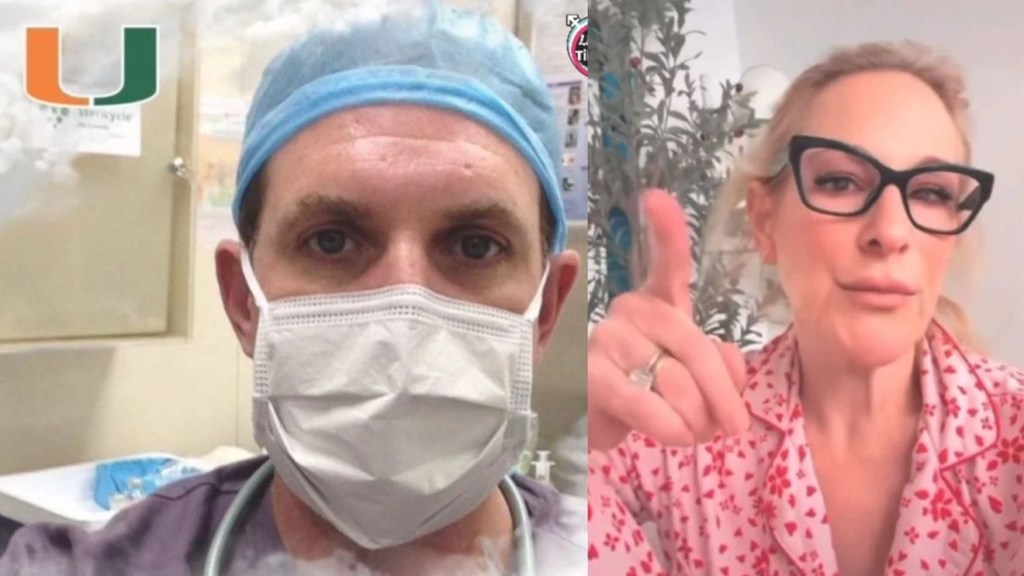
Together, these incidents have intensified conversations about political expression by healthcare workers and where institutions should draw the line between personal speech and professional responsibility. Hospitals and healthcare systems increasingly emphasize social media policies that restrict content perceived as threatening, discriminatory, or incompatible with patient-centered care. The Lawler case demonstrated that employers are willing to act decisively when online speech is seen as undermining professional standards or public trust.
The Martindale controversy has also unfolded against the backdrop of heightened tensions following the killing of ICU nurse Alex Pretti by federal agents in Minnesota, an event that sparked outrage and emotional debate across healthcare communities. While unrelated in circumstances, the timing of these incidents has contributed to a charged atmosphere in which the actions and statements of medical professionals are being examined with exceptional intensity.
Observers note that these episodes reflect a broader challenge facing the healthcare sector: navigating political polarization while maintaining ethical neutrality. Nurses and physicians, like all citizens, hold personal beliefs, but their roles demand restraint when those beliefs intersect with patient care or public communication. The rapid dissemination of controversial statements online has made it more difficult to separate individual expression from professional identity.
As of now, there is no publicly confirmed information indicating whether Erik Martindale has faced formal disciplinary action from a licensing board or employer. His claim that his account was hacked has not been independently substantiated, and the original post is no longer visible. Nevertheless, the controversy has already left a mark, serving as a warning to healthcare professionals about the potential consequences of politically charged statements and the fragility of public trust in an era of social media scrutiny.