
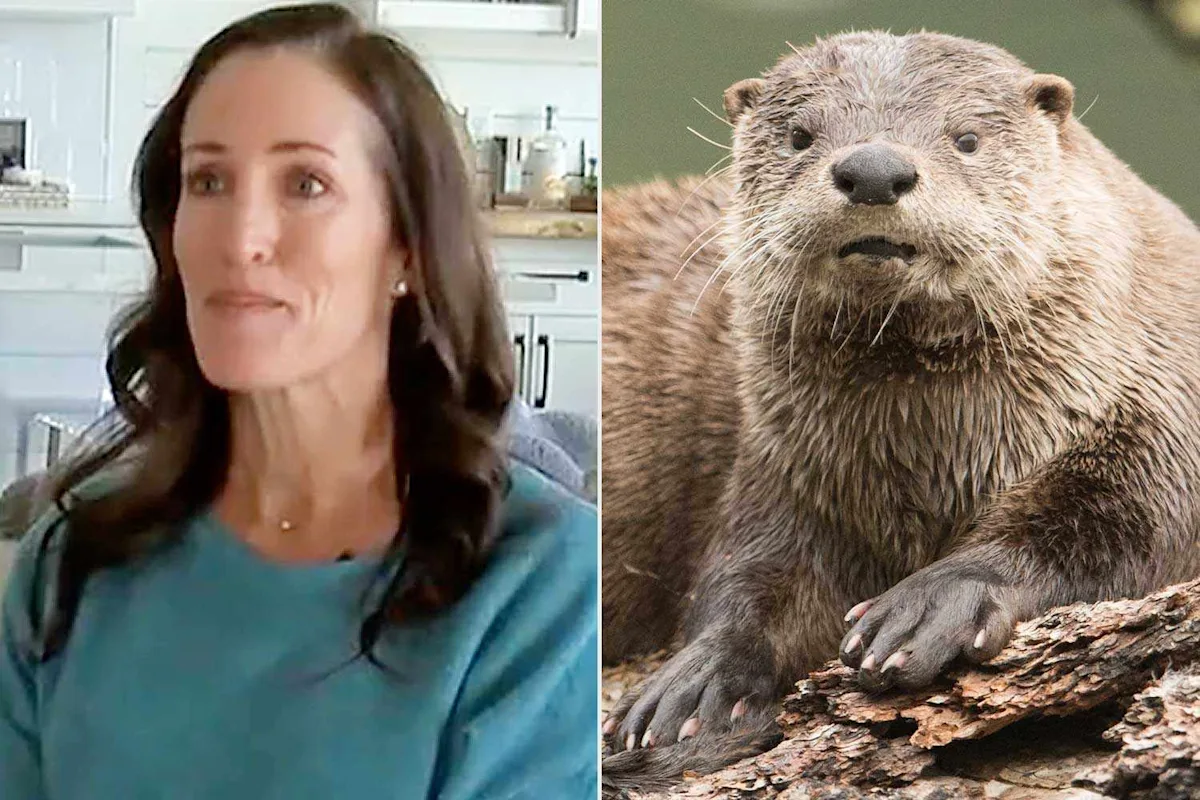
A quiet day spent cheering on friends at a local marathon turned into a frightening and costly ordeal for North Carolina resident Erin Hogston. What began as a routine outing along a scenic trail in Cary quickly escalated into a rare wildlife encounter that few could have anticipated. The suddenness of the attack, combined with the unexpected nature of the animal involved, has drawn attention not only because of its unusual circumstances but also because it challenges common perceptions about wildlife that are often seen as harmless or even endearing.
Hogston’s experience unfolded in a setting typically associated with recreation and safety. Surrounded by runners, spectators, and the natural beauty of a wooded trail, there was little to suggest danger. Yet within moments, the calm atmosphere gave way to panic when she heard a disturbance in the nearby bushes. The noise was so intense that her first instinct was to assume a much larger and more threatening animal, such as a bear, was approaching. Acting on instinct, she attempted to flee, only to fall and find herself vulnerable to an unexpected attacker—an otter.
The incident has since become a stark reminder that even animals perceived as playful or benign can behave unpredictably under certain circumstances. Erin Hogston’s story has resonated widely, not only because of its rarity but also because it highlights the thin line between human recreation and wildlife habitats. It underscores how quickly a seemingly ordinary moment can transform into a situation requiring urgent medical attention and long-term consequences.
A Sudden Encounter in a Familiar Setting
The trail in Cary where the incident occurred is a popular location for outdoor activities, frequented by runners, walkers, and nature enthusiasts. On the day of the marathon, the environment was particularly lively, with participants and spectators gathered to support the event. Erin Hogston had positioned herself along the trail to watch her friends compete, expecting nothing more than an enjoyable day outdoors.
The turning point came when she noticed movement in the bushes behind her. The sound, described as loud and forceful, immediately triggered alarm. In a wooded setting, such noises are often associated with larger animals, and her reaction was shaped by that assumption. The fear of encountering a bear prompted her to run, but the uneven terrain caused her to fall, leaving her exposed.
It was at that moment that the true nature of the threat became apparent. Instead of a large predator, it was an otter that emerged from the undergrowth. Despite their small size and reputation for playful behavior, otters are wild animals capable of aggression, particularly when they feel threatened or are protecting territory. The attack was swift and unexpected, catching Erin Hogston completely off guard.
Read : “City of London”: The Place Where the World Stores Its Gold
The psychological impact of such an encounter cannot be understated. The sudden shift from perceived safety to immediate danger can leave a lasting impression, altering how individuals view similar environments in the future. For Erin Hogston, the memory of the attack is likely intertwined with the sensory details of that moment—the sound of rustling leaves, the instinct to flee, and the shock of realizing what was actually happening.
Medical Aftermath and Emotional Impact
Following the attack, Hogston sought medical attention at a nearby emergency room. The injuries she sustained required prompt treatment, but the physical wounds were only part of the ordeal. Due to the risk of rabies—a potentially fatal viral infection transmitted through animal bites—she was administered a series of six rabies shots. This precautionary measure, while necessary, added both physical discomfort and financial strain to an already distressing situation.
Read : Disturbing! 5-Day-Old Baby Mauled to Death by Family Dog
Rabies treatment is often intensive and costly, involving multiple injections over a period of time. For Hogston, the expense ran into thousands of dollars, highlighting the broader implications of wildlife encounters that extend beyond immediate injury. The financial burden of medical care can be significant, particularly when dealing with rare and unexpected incidents that are not typically covered by routine precautions.
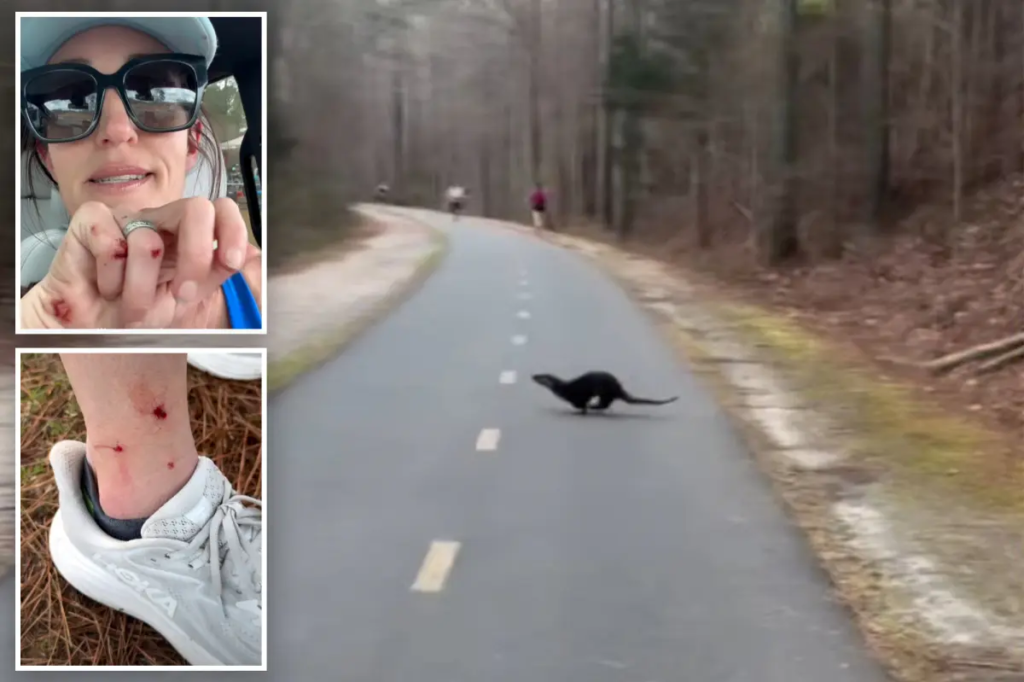
The reaction from medical staff further emphasized the unusual nature of the case. Many expressed surprise, noting that otters are generally perceived as friendly and non-threatening. This common perception contrasts sharply with the reality of Hogston’s experience, illustrating how misconceptions about wildlife can lead to a lack of preparedness.
Emotionally, the incident has altered Hogston’s perception of otters. Once seen as cute and harmless, they are now associated with fear and caution. This shift is understandable given the circumstances, and it reflects a broader human tendency to reassess beliefs in the face of direct experience. Her warning to others—to remain aware of their surroundings—stems from this newfound perspective.
Such experiences can also influence how individuals approach outdoor activities in the future. While many continue to enjoy nature, there is often an increased sense of vigilance, a heightened awareness of potential risks that might have previously gone unnoticed. This balance between appreciation and caution is a common outcome of encounters with wildlife.
Understanding Rare Wildlife Attacks and Safety Awareness
Otter attacks on humans are extremely rare, with only a small number of documented cases worldwide over more than a century. This rarity contributes to the general perception of otters as safe and even charming animals. However, rarity does not equate to impossibility, and Hogston’s experience serves as a reminder that any wild animal can pose a threat under certain conditions.
Read : Sheep Mauled to Death by Dog on Land Adjoining Potteric Carr Nature Reserve
Wildlife experts suggest several possible reasons for such behavior. One possibility is rabies, which can cause animals to act aggressively and unpredictably. Another is self-defense, particularly if the animal feels cornered or perceives a human as a threat to its territory or young. Environmental factors, such as habitat disruption or increased human presence, can also influence animal behavior.

Understanding these factors is key to promoting safety in shared environments. Trails and natural areas often serve as habitats for various species, and human activity in these spaces inevitably leads to interactions. While most of these encounters are harmless, the potential for conflict exists, particularly when animals feel threatened.
Practical measures can help reduce the risk of such incidents. Staying alert, avoiding sudden movements near wildlife, and maintaining a safe distance are essential guidelines. In areas known for animal activity, being aware of surroundings and recognizing signs of wildlife presence can make a significant difference. Education about local species and their behaviors also plays a crucial role in prevention.
Hogston’s story highlights the importance of these precautions, not as a cause for fear but as a basis for informed coexistence. The goal is not to discourage outdoor activities but to encourage a mindful approach that respects the presence of wildlife. By understanding that even seemingly harmless animals can react defensively, individuals can better prepare for unexpected situations.
The broader conversation surrounding wildlife encounters often focuses on balancing human recreation with environmental preservation. As more people seek outdoor experiences, the likelihood of interactions with animals increases. Ensuring that these interactions remain safe requires both awareness and respect for the natural world.
Hogston’s experience stands as a rare but powerful example of how quickly circumstances can change in a natural setting. It underscores the unpredictability of wildlife and the importance of being prepared, even in environments that feel familiar and secure.