
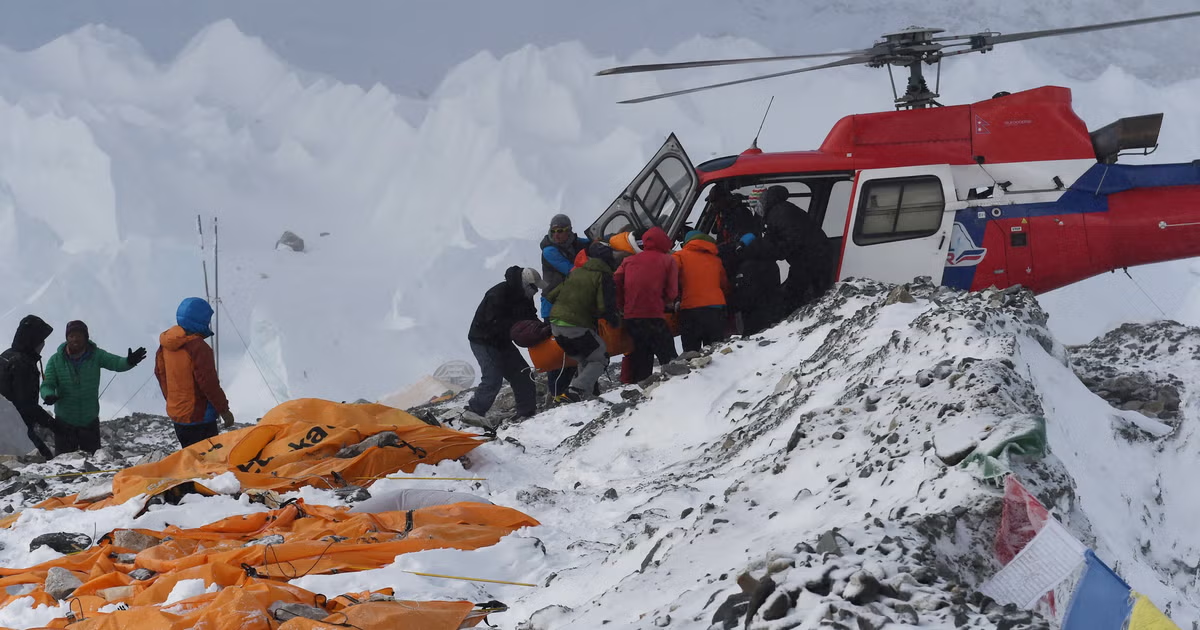
Nepal’s globally celebrated trekking industry has been shaken by a major fraud scandal involving Mount Everest expeditions, with authorities alleging a coordinated scheme that exploited foreign climbers and international insurance companies. According to investigators, a network of guides, rescue operators, and associated stakeholders orchestrated fake medical emergencies to justify costly helicopter evacuations.
The operation, which reportedly ran between 2022 and 2025, has led to charges against 32 individuals and multiple arrests, highlighting serious concerns about oversight within Nepal’s lucrative adventure tourism sector. With nearly 4,800 climbers believed to have been affected, the case has raised alarm among insurers, tourists, and government officials alike, just as the spring climbing season begins.
How the Fake Rescue Scheme Operated Across the Trekking Industry
The alleged scam relied on manipulating climbers into believing they were suffering from altitude-related illnesses or other medical conditions requiring immediate evacuation. Investigators revealed that some trekking guides deliberately induced symptoms in unsuspecting tourists. One of the most disturbing methods involved contaminating food with substances such as baking powder to cause gastrointestinal distress, mimicking symptoms commonly associated with altitude sickness. In other cases, climbers were reportedly given excessive fluids or medications to trigger nausea, dizziness, or fatigue.
Once symptoms appeared, guides would strongly recommend emergency evacuation, often convincing climbers that remaining on the mountain posed serious health risks. Helicopter rescues, a legitimate safety measure in high-altitude trekking, were then deployed unnecessarily. These evacuations came at a high cost, often billed to international insurance companies under the assumption that they were medically essential.
The fraudulent aspect extended far beyond the initial evacuation. Investigators uncovered that rescue operators and associated entities created forged documents to support insurance claims. These included falsified medical reports, fabricated hospital admission records, and manipulated flight logs. In some cases, multiple passengers transported on a single helicopter were billed as if they had taken separate flights, significantly inflating costs. Hospitals were also implicated, allegedly producing fake treatment records for individuals who were not genuinely ill or admitted.
Read : Discovering Vietnam: A Voyage Through the Land of Timeless Charm
The scheme involved a wide network of participants across the trekking ecosystem, including guides, helicopter companies, hospital staff, and trekking agency operators. Authorities described the operation as highly organized, suggesting coordination at multiple levels to sustain the fraud over several years. More than 300 fake rescue cases have been identified so far, with total fraudulent claims nearing $20 million.
Scale of the Impact and the Response from Authorities
The scope of the scam has been described as unprecedented in Nepal’s tourism sector. Investigators estimate that 4,782 international climbers may have been affected over the three-year period under scrutiny. While some tourists were reportedly complicit in earlier versions of similar schemes, authorities believe that a significant number of victims in this case were unaware they were being manipulated.
The financial impact has been substantial, primarily affecting international travel insurance providers who covered the inflated evacuation and treatment costs. These insurers had already raised concerns in previous years about suspicious claims originating from Nepal. The persistence of such activities has led to warnings that insurance companies might reconsider offering coverage for trekking in the region if stronger regulatory measures are not implemented.
Nepal Police’s Central Investigation Bureau led the operation, which resulted in 11 arrests and charges against 32 individuals. Officials emphasized that the case represents not only a financial crime but also a reputational threat to the country. Authorities noted that such fraudulent practices damage Nepal’s standing as a trusted destination for adventure tourism, an industry that contributes significantly to the national economy.
The investigation also exposed systemic weaknesses in enforcement and accountability. Despite earlier reports of similar scams dating back to 2018 and 2019, the problem appears to have persisted due to insufficient punitive action. Officials acknowledged that the lack of strict consequences in previous cases may have allowed fraudulent networks to expand and refine their operations over time.
As part of the ongoing crackdown, authorities are continuing to examine additional cases and potential suspects. The investigation has also prompted renewed scrutiny of the relationships between trekking companies, medical facilities, and rescue operators, with calls for greater transparency and regulation across the sector.
Implications for Nepal’s Tourism Industry and Future Safeguards
The revelations have triggered widespread concern within Nepal’s tourism industry, particularly as the spring climbing season attracts thousands of international visitors. Mount Everest remains one of the most sought-after destinations for adventure enthusiasts, and the integrity of its support systems is critical to maintaining traveler confidence.
Read : 2 Mountains 100 Times Taller Than Mount Everest Found Below Earth’s Surface
Industry experts warn that the scandal could have long-term consequences if not addressed decisively. Trust is a key factor in adventure tourism, where travelers rely heavily on local guides and operators for safety and guidance. Allegations that some guides may have deliberately harmed clients for financial gain undermine this trust and could deter potential visitors.
The case also highlights the vulnerability of insurance systems to coordinated fraud. Travel insurers depend on accurate documentation and good faith reporting from service providers in remote locations. When multiple actors collaborate to fabricate claims, detecting fraud becomes significantly more challenging. This has led to discussions about implementing stricter verification processes, including independent medical assessments and improved tracking of rescue operations.
For Nepal, the priority now lies in restoring confidence through meaningful reforms. This may include stricter licensing requirements for trekking agencies and rescue operators, enhanced monitoring of helicopter evacuations, and greater accountability for medical institutions involved in tourism-related services. Authorities may also need to establish clearer protocols for verifying genuine medical emergencies in high-altitude environments.
At the same time, the situation underscores the importance of informed decision-making for travelers. Choosing reputable trekking companies with strong safety records and transparent practices can significantly reduce the risk of exploitation. While the majority of professionals working in Nepal’s tourism sector are regarded as honest and dedicated, the presence of fraudulent networks highlights the need for vigilance.
The current investigation represents a critical moment for Nepal’s tourism sector. The actions taken in response to this scandal will likely shape the industry’s future, influencing both regulatory standards and international perceptions. Ensuring accountability for those involved and implementing robust safeguards will be essential steps in protecting the integrity of one of the world’s most iconic adventure destinations.