
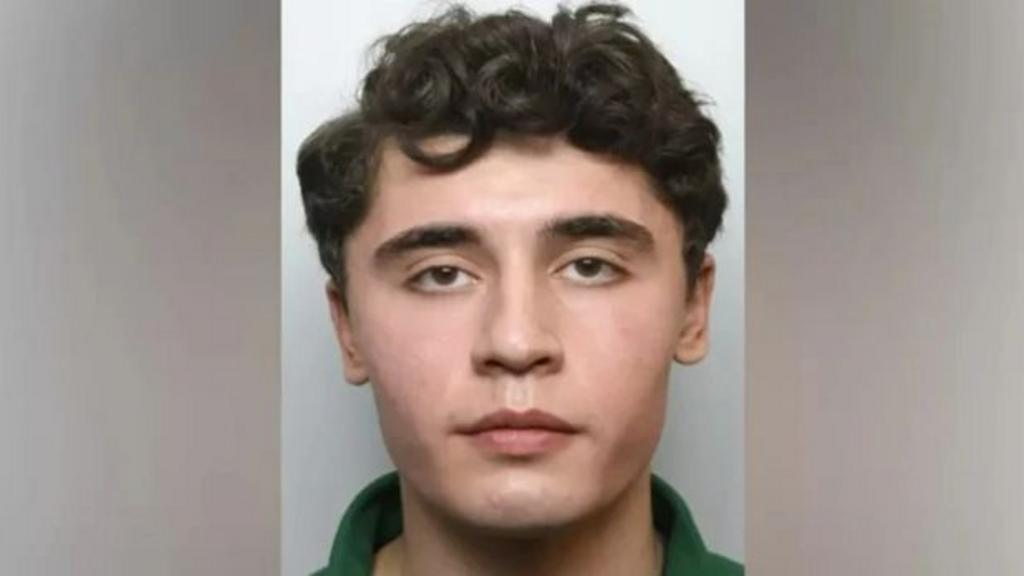
The case of Daniel Khalife, a former British soldier who became infamous for his involvement in espionage and daring escape from a high-security prison, has sent shockwaves across the UK.
The 23-year-old was recently sentenced to 14 years and three months in prison after being found guilty of spying for Iran and masterminding his escape from Wandsworth Prison. His actions, which breached national security and put the country at risk, have sparked intense debates about the vulnerabilities within the British Army and the prison system.
The Espionage Plot: Spying for Iran
Daniel Khalife’s treasonous activities first came to light when he was discovered to have been spying for Iran. In his role as a soldier in the British Army, Khalife had access to sensitive military information, which he exploited by passing it on to agents linked to Iranian intelligence. His espionage began early in his army career, even before he was deployed in active service.
Soon after joining the Army in September 2018, Khalife made contact with a man linked to Iranian intelligence via Facebook. This connection marked the beginning of a dangerous alliance that would have far-reaching consequences.
Daniel Khalife continued his covert relationship with Iranian agents, a relationship that remained undetected for years, despite multiple security checks during his recruitment process.
One of Khalife’s key roles in the espionage was to gather intelligence on British military personnel. He compiled a list of 15 soldiers, including members of the elite special forces, by exploiting a weakness in the Army’s internal system.
Through his access to sensitive data, Khalife collected not only their surnames and initials but also first names, which were later found on his phone. This list of soldiers’ identities was likely sent to Iran as part of the intelligence Khalife passed on.
Read : 81-Year-Old Japanese Woman Unwillingly Commits Crime to Stay in Prison
During his time in the Army, Khalife accumulated numerous photos of classified military equipment, including secret communications technology and drones.
Read : Jailed Critic of President Putin Shifted to Prison Hospital
The full scale of the damage caused by his activities is still unknown. His encrypted communications with Iranian handlers were conducted via the app Telegram, which further complicates the investigation into the extent of the material he shared.
Although Khalife denied sending sensitive information and claimed that much of what he passed on was either fake or worthless, authorities suspect he was responsible for sending at least two classified documents, one concerning drone technology and another on military intelligence.
Khalife’s betrayal was all the more serious given his position in the Army. As someone entrusted with upholding national security, he used his position to undermine it. Prosecutors argued that he was fully aware of the responsibility he carried, having undergone rigorous training and been cleared for sensitive duties.
The Prison Escape: A Daring Plan and Its Aftermath
Khalife’s daring escape from Wandsworth Prison in September 2023 was as audacious as his espionage activities. He fled the prison while awaiting trial, hiding himself beneath a food delivery truck that left the prison grounds. This clever escape was made possible by Khalife’s extensive planning and a series of security lapses at the prison.
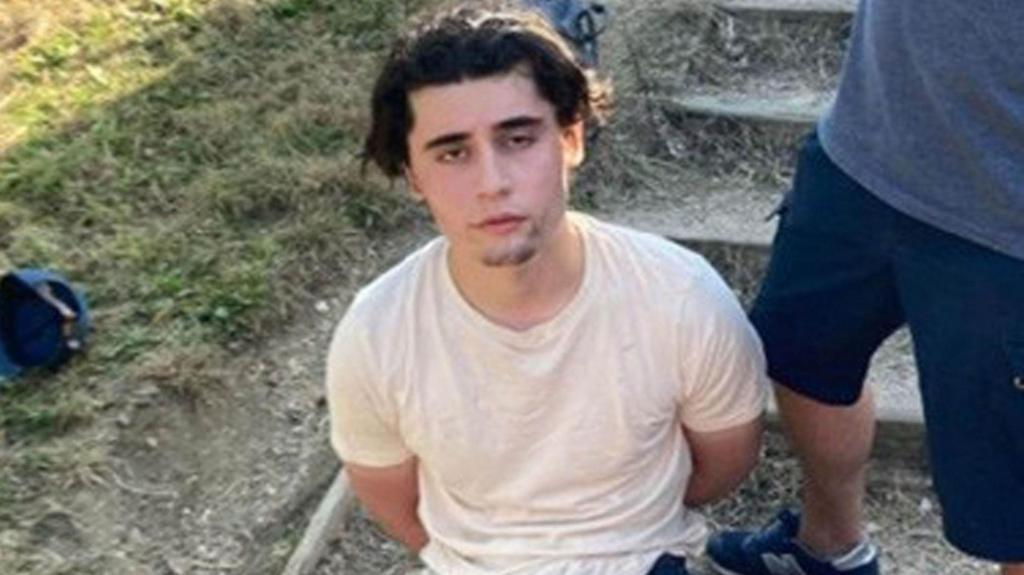
Khalife’s escape sparked a nationwide manhunt, with law enforcement agencies and military personnel involved in an intense search that lasted 75 hours. The authorities eventually caught up with Khalife in London, where he was arrested while riding a stolen bike, just 11 miles from the prison.
The escape was not only a remarkable feat of deception but also exposed serious flaws within the UK prison system. An audit conducted after Khalife’s escape revealed numerous security failings at Wandsworth Prison, including inadequate CCTV coverage and a high number of absent staff members. On the day of the escape, nearly 40% of prison officers did not show up for their shifts, compounding the prison’s security vulnerabilities.

Despite these lapses, the Ministry of Justice maintained that the prison had been adequately staffed. However, the consequences of Khalife’s escape were severe, leading to a review of prison protocols and the implementation of overdue security upgrades. The escape alone cost taxpayers over £250,000 in overtime for police officers, highlighting the financial burden caused by Khalife’s reckless actions.
Khalife’s motive for escaping was revealed during his trial. He claimed that he feared for his safety in Wandsworth Prison, particularly because he was placed in the vulnerable prisoners’ unit, where many inmates were sex offenders.
He also alleged that he had been warned about potential attacks from “terrorists” in the prison. According to Khalife, escaping from Wandsworth was his only option to secure a transfer to the high-security unit at Belmarsh Prison.
However, the authorities were not convinced by his claims. His escape, as well as his espionage activities, painted a picture of a young man who was driven by narcissism and a desire for fame. Despite his potential as a soldier, Khalife’s actions demonstrated a reckless disregard for the security of his country, motivated in part by the attention his escape brought him.
Legal Proceedings and Sentencing: A Nation’s Betrayal
Khalife’s trial was a high-profile affair, garnering significant attention due to the severity of his crimes. In November 2023, he was found guilty of spying for Iran, having breached the Official Secrets Act and the Terrorism Act.
During the trial, Khalife pleaded guilty to escaping from prison but denied the charges related to the bomb hoax at his army barracks, for which he was cleared.
The sentencing, delivered by Mrs. Justice Bobbie Cheema-Grubb, emphasized the gravity of Khalife’s betrayal. The judge described him as a “dangerous fool” who had the “makings of an exemplary soldier” but had chosen to undermine the country he swore to protect.
The judge acknowledged Khalife’s age and psychological condition, referring to a 2023 diagnosis of Antisocial Personality Disorder and Narcissistic Personality Disorder. However, the severity of his crimes could not be overlooked, and Khalife was sentenced to 14 years and three months in prison.
Khalife’s case stands as a chilling reminder of the vulnerability of national security and the importance of vigilance in protecting sensitive information. His actions have raised serious questions about the recruitment and vetting processes in the British Army, particularly in relation to individuals who might have ties to hostile foreign powers.
The case also underscores the need for robust security protocols within the prison system, where Khalife was able to orchestrate an escape despite being under surveillance.
The case of Daniel Khalife is one of national betrayal, highlighting the dangers posed by individuals in positions of trust who choose to undermine the security of their country.
His espionage activities and prison escape have left a lasting impact on the UK, prompting reforms in both military and prison security to prevent such incidents in the future. As Khalife serves his sentence, the UK will undoubtedly remain vigilant in guarding against threats both from within and outside its borders.