

A devastating explosion rocked Indonesia’s West Java province on Monday, leading to the tragic loss of at least 13 lives. The Explosion While Disposal of Expired Ammunition by the Indonesian army in Garut district, raising serious concerns about the safety protocols followed during such operations. The incident highlights the ongoing risks associated with ammunition disposal and the complexities surrounding the safe handling of dangerous military materials.
Explosion While Disposal of Expired Ammunition
On Monday, a routine ammunition disposal operation in West Java turned into a catastrophic event, resulting in the deaths of nine civilians and four army personnel. According to the Indonesian military’s spokesperson, Major General Kristomei Sianturi, the incident occurred when members of the Indonesian army were in the process of destroying expired and unusable ammunition at a military warehouse located in Sagara village, Garut district.
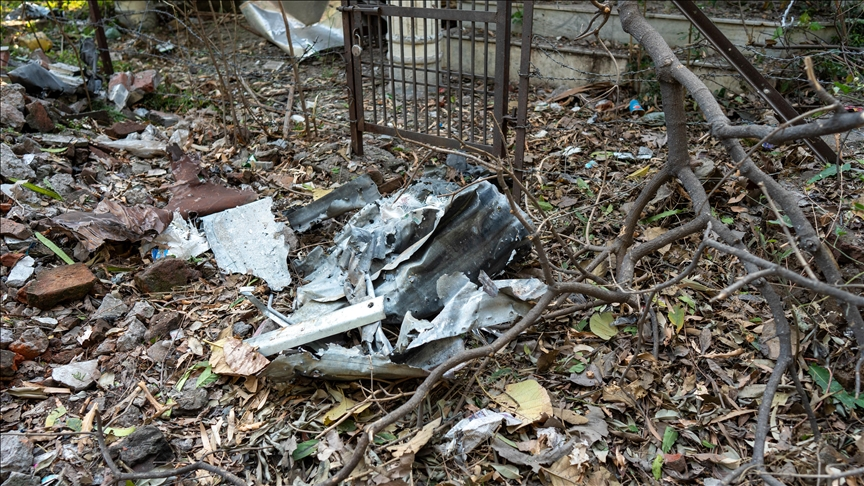
What was initially a routine task quickly escalated into disaster when the first explosion occurred, followed closely by a second, more powerful blast. The explosion sent shockwaves through the area, with local media reporting that thick black smoke rose into the sky following the blasts.
Several people were reported injured and taken to nearby hospitals for treatment. The bodies of the deceased were quickly evacuated by ambulances, as local authorities and military personnel scrambled to contain the situation. Initial reports indicated that the ammunition being disposed of included grenades, mortars, and other military-grade explosives, which are known for their volatile nature.
The cause of the explosion remains unclear, and military officials have opened an investigation to determine whether standard operating procedures were followed during the disposal process. In particular, the investigation will focus on how civilians were able to get so close to the detonation site, considering the potential hazards associated with such activities.
The Question of Safety Protocols
One of the key aspects of this tragic incident is the question of whether the disposal operation adhered to established safety protocols. Disposal of expired ammunition is a dangerous task that requires strict adherence to safety standards to minimize the risk of accidents.
The Indonesian military has been carrying out such operations for years, but this latest explosion has raised questions about the adequacy of the procedures in place to safeguard both military personnel and nearby civilians.
In response to the incident, Major General Sianturi stated that the military is thoroughly investigating the blast to understand what went wrong. It is believed that the explosions may have been caused by a secondary blast after the initial detonation, which is a common occurrence in munitions disposal operations. However, the fact that civilians were able to approach the site raises serious concerns about the security measures in place.
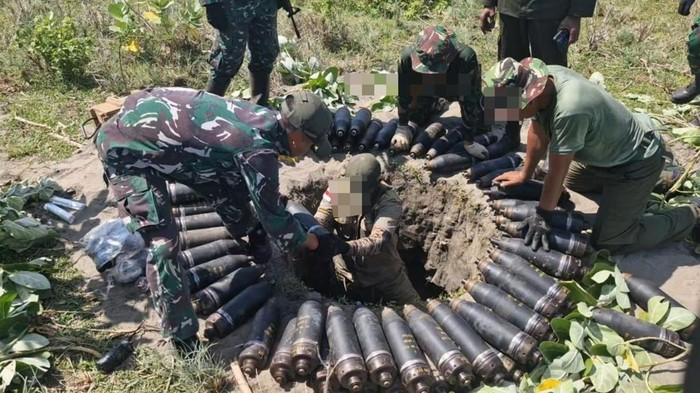
Sianturi mentioned that the area where the explosions occurred is typically far from residential zones, and it is commonly used for munitions disposal. The site is under the management of West Java’s Natural Resources Conservation Agency and is designated as vacant land.
Read : Huge Explosion with Massive Blast Breaks Out at Industrial Estate in Scotland: Watch Video
Despite the remote location, nearby residents often venture into these areas to collect metal fragments, copper, or scrap iron from old munitions, which is likely what led to the increased risk of an accidental explosion. The military spokesperson’s remarks suggest that the presence of civilians near the disposal site may have been a contributing factor in the incident.
If civilians were indeed in close proximity to the explosives, it raises serious concerns about the safety measures taken to prevent unauthorized access to the area. This incident underscores the need for better coordination between the military and local authorities to ensure that munitions disposal operations do not put public safety at risk.
Previous Incidents and the Growing Concerns About Military Munitions Disposal
This latest explosion is not the first time that Indonesia has witnessed a deadly incident involving military ammunition. In March of the previous year, a massive fire broke out at an Indonesian military depot near Jakarta, where expired ammunition was being stored.
The fire led to a series of explosions, causing widespread damage and raising alarms about the security of military storage facilities. The incident highlighted the risks associated with storing and disposing of munitions and called into question the measures in place to prevent accidents.
The recurrence of such incidents underscores the ongoing challenges faced by the Indonesian military in safely managing their stockpiles of expired ammunition. The government must take immediate steps to address these concerns by reviewing and revising their disposal protocols.
It is crucial that the military adopt more stringent safety measures to prevent future tragedies and ensure that munitions disposal operations are carried out without endangering lives. In addition to revisiting safety protocols, it is also important for the military to improve communication with local communities.
Many civilians in rural areas, such as those living near Garut district, may not fully understand the risks associated with munitions disposal and may unknowingly place themselves in harm’s way. Public awareness campaigns about the dangers of approaching military disposal sites could help reduce the likelihood of such incidents occurring in the future.
The explosion in West Java serves as a stark reminder of the dangers associated with the disposal of expired ammunition and the ongoing risks faced by both military personnel and civilians. The tragedy has raised critical questions about the adequacy of safety protocols and the need for better oversight and coordination during such operations.
As the investigation into the incident continues, it is essential that lessons are learned to prevent similar accidents in the future. The Indonesian military, in collaboration with local authorities, must take swift action to improve safety measures and ensure that the public is kept informed about the risks involved in munitions disposal. Only through a concerted effort can the risk of further tragedies be minimized, and the safety of both military personnel and civilians ensured.