

In a deeply disturbing case that has rocked New York City, a fake doctor arrested from Queens is now facing criminal charges after a cosmetic procedure gone horribly wrong left a 31-year-old woman brain dead.
Felipe Hoyos-Foronda, 38, was apprehended at John F. Kennedy International Airport on Friday night while allegedly attempting to flee the country.
He had a one-way ticket to Colombia, but before he could board, law enforcement officers intervened. Hoyos-Foronda has now been charged with second-degree assault and unauthorized practice of a profession, and has pleaded not guilty.
The gravity of the incident has drawn sharp focus on the unregulated underworld of illegal cosmetic surgeries, particularly in densely populated urban areas like Queens.
The Fatal Procedure That Sparked the Arrest
The chain of events that led to Hoyos-Foronda’s arrest began when a woman visited his apartment in Astoria, Queens, last Friday. She had scheduled a procedure to have her butt implants removed, apparently trusting Hoyos-Foronda’s assurance that he was qualified to perform the surgery.
However, once she arrived, Hoyos-Foronda injected her with lidocaine, a local anesthetic. According to police reports and a criminal complaint filed by the Queens District Attorney’s Office, the woman went into cardiac arrest shortly after the injection.
Realizing the gravity of the situation, Hoyos-Foronda reportedly called emergency services. But instead of staying to assist or explain what had transpired, he fled the scene before first responders arrived. When EMS reached the apartment, they found the woman unresponsive.
She was rushed to Astoria General Hospital where doctors determined that she had suffered severe lidocaine toxicity. Currently intubated and without any brain activity, her prognosis is bleak. According to medical professionals involved in her care, she is unlikely to survive.
Read : Australian Woman Loses $780,000 to Scammers While Searching for Love Online
This tragic outcome is a harsh reminder of the dangers posed by unlicensed individuals masquerading as medical professionals. Investigators discovered that Hoyos-Foronda had turned his apartment into a makeshift medical clinic.
Read : “It’s My Hospital, I’m a Doctor,” Cries Injured Dr. of Kyiv Hospital After Russian Missile Strikes
They found a medical exam table, syringes used for cosmetic injectables, and even surgical lights — all illegally operated within a residential unit.
An Underground Clinic Hidden in Plain Sight
What makes this case even more disturbing is how long Hoyos-Foronda had allegedly been operating his illicit practice in plain view. Situated on 35th Street in Astoria, Queens, the apartment looked like any ordinary residence from the outside.
Inside, however, it was fully outfitted to function as a rogue cosmetic surgery clinic. Prosecutors revealed that Hoyos-Foronda performed multiple unauthorized procedures, including Botox injections, fillers, and even liposuction.
According to neighbors and local residents, there was little indication that such dangerous activity was taking place. It was only after the botched procedure and subsequent investigation that the dark truth came to light.
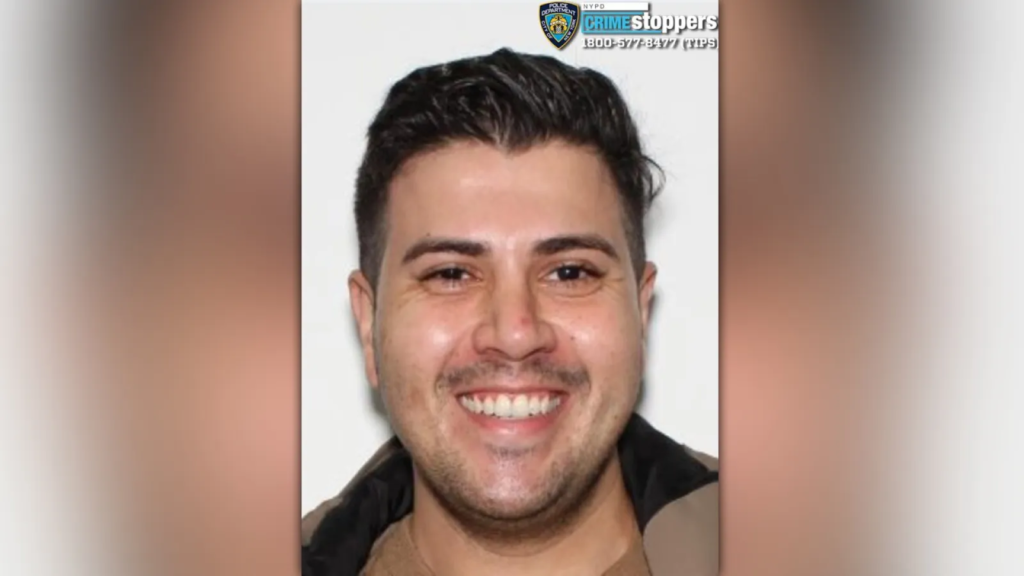
Police were able to identify Hoyos-Foronda through a combination of surveillance footage and information provided by his landlord, who gave them his name and photograph. Additionally, license plate tracking placed Hoyos-Foronda’s vehicle near JFK Airport around the time he was attempting to flee the country.
It’s not the first time authorities have encountered illegal cosmetic clinics operating from private homes, but the severity and consequences of this particular case have brought renewed urgency to efforts to crack down on such practices.
Many victims, often from immigrant or lower-income communities, are lured in by cheaper prices and the false assurance of safety. In this case, the cost was not just financial—it was potentially fatal.
Legal Consequences and Public Response
Felipe Hoyos-Foronda has now been formally charged and will face the legal consequences of his actions. If convicted, he could spend up to seven years in prison for second-degree assault and an additional four years for the unauthorized practice of a profession.
He is expected to appear in court again this Thursday, where prosecutors are likely to push for a stiff sentence given the severity of the injury inflicted on the woman. Law enforcement officials are urging any other individuals who may have received cosmetic procedures from Hoyos-Foronda to come forward.
This case could just be the tip of the iceberg, with other victims possibly out there who haven’t yet spoken up out of fear or shame. Authorities want to ensure that those affected are medically evaluated and that further evidence can be gathered to support the prosecution.
The community has responded with shock and outrage. Residents of Astoria are grappling with the idea that such dangerous and illegal medical practices were occurring so close to home.
Meanwhile, advocacy groups and medical professionals are calling for stricter regulations and better public awareness. There is also growing pressure on online platforms and advertising spaces to monitor and block promotions for unlicensed procedures.
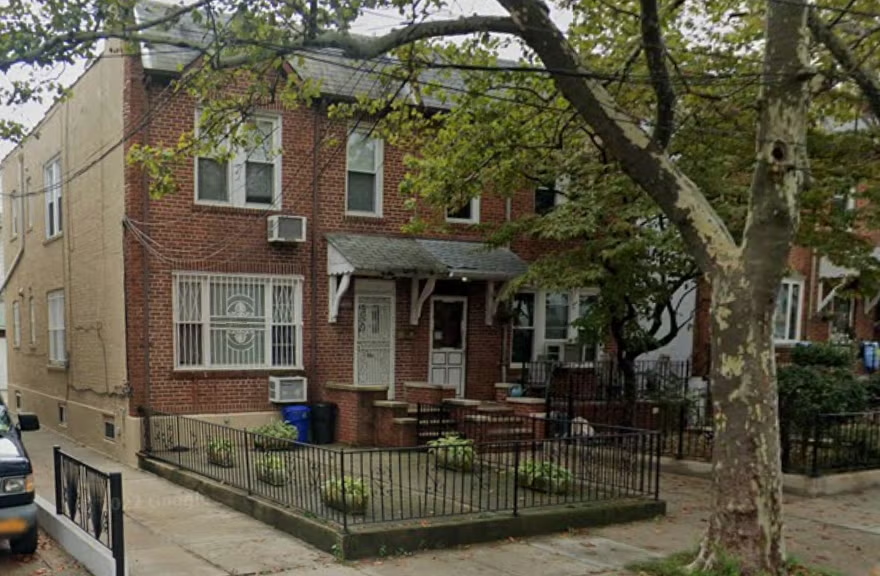
The Queens District Attorney’s Office has emphasized the need for vigilance, both from citizens and public health agencies. The ease with which Hoyos-Foronda was able to set up his illicit operation underscores glaring loopholes in enforcement. Despite the presence of physical medical equipment and frequent foot traffic, there was no formal complaint or inspection until tragedy struck.
The case also shines a light on the ongoing demand for cosmetic surgery and the lengths to which individuals will go to obtain it, sometimes bypassing licensed professionals in favor of cheaper or faster alternatives. Unfortunately, this demand fuels a black market that often lacks safety, accountability, or basic medical standards.
As the legal proceedings against Hoyos-Foronda continue, the broader implications of the case will likely reverberate throughout New York and beyond. Authorities are considering legislative changes that would allow for more robust monitoring of unauthorized medical practices, particularly in residential buildings.
There is also talk of launching public service campaigns to educate people about the dangers of seeking unlicensed medical treatments. The arrest of Felipe Hoyos-Foronda, the fake doctor arrested from Queens, serves as a chilling reminder of the risks posed by underground cosmetic clinics.
His attempt to flee the country after nearly killing a patient only adds to the gravity of his alleged crimes. As the victim lies in critical condition, her family and community are left grappling with the devastating consequences of trusting someone who never should have been allowed to practice medicine in the first place.
The case continues to unfold, but one thing is clear: this tragic incident has ignited a much-needed conversation about safety, regulation, and accountability in the world of cosmetic surgery.