
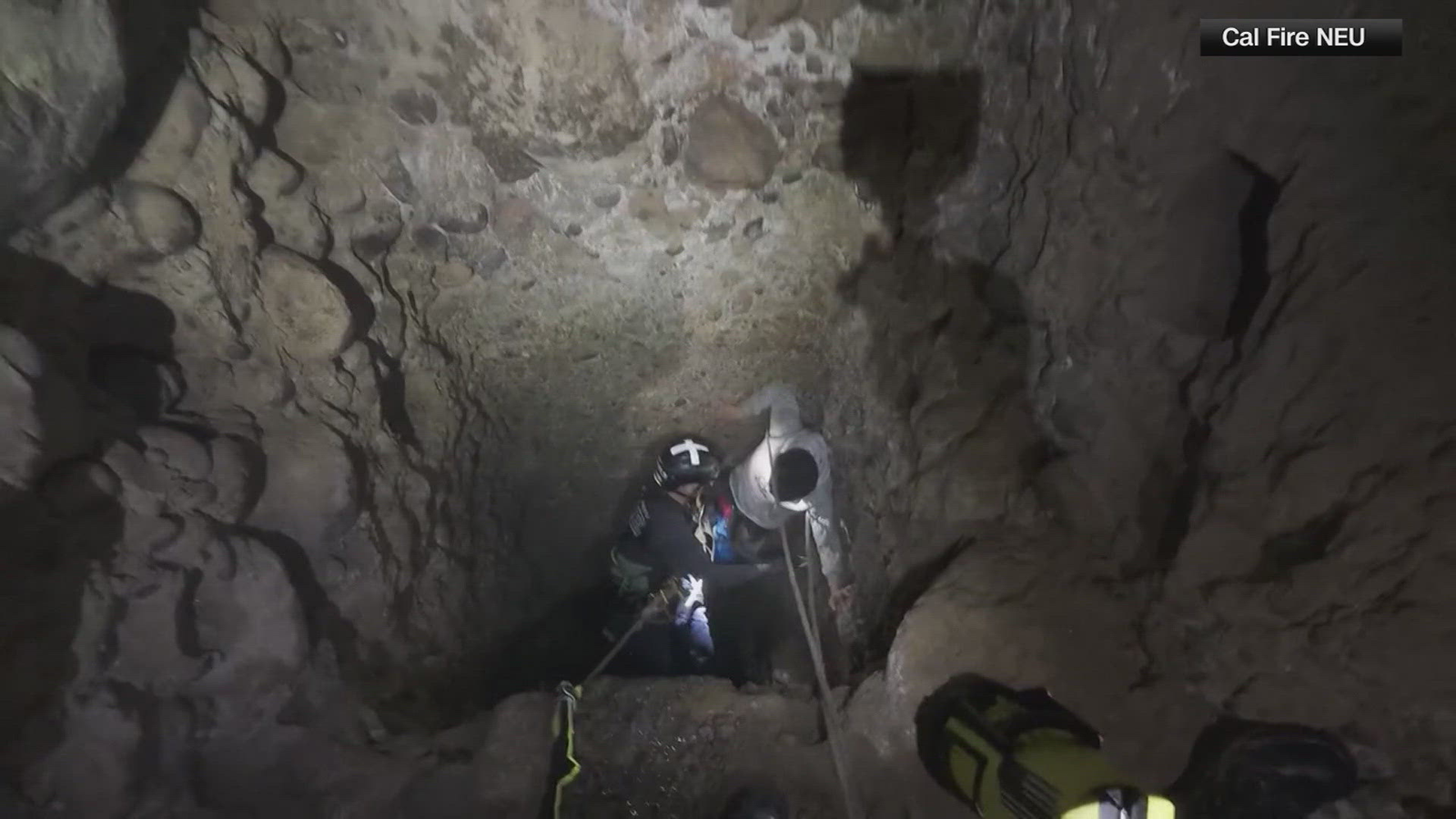
A dramatic emergency unfolded on one of New York City’s busiest bridges after a teenage boy fell roughly 50 feet into a narrow shaft while reportedly attempting to film a social media video. The incident took place on the Ed Koch Queensboro Bridge, a major roadway linking Manhattan and Queens, and quickly drew a large-scale response from emergency personnel. Authorities described the situation as a complex confined-space rescue that required specialized equipment, extensive coordination, and the involvement of dozens of first responders.
According to officials, the teenager became trapped deep within a structural section of the bridge known as a buttress, an enclosed architectural support that is not designed for public access. Emergency responders received a report of a person stuck inside one of these confined areas late Monday night and arrived within minutes. What followed was a technically demanding rescue operation that lasted hours and required a carefully managed extraction process.
Local reports later identified the individual as a 16-year-old boy who had allegedly been attempting to record a TikTok video when he fell into the shaft. The teenager remained trapped for a prolonged period before rescuers were able to reach him. After being brought to safety, he was transported to a hospital in critical condition. Officials later confirmed that his condition had stabilized.
The incident highlights the serious physical risks associated with unauthorized access to infrastructure and hazardous environments. It also reflects the growing number of emergency responses linked to social media-driven behavior, particularly among young people seeking dramatic or attention-grabbing footage. The rescue itself demonstrated the logistical challenges of confined-space operations and the scale of coordination required to save someone from a location not intended for human entry.
A Complex and High-Risk Rescue Operation
Emergency crews responding to the scene were confronted with a highly technical situation from the outset. The teenage boy had fallen into a narrow shaft embedded within the bridge’s structural framework, approximately 50 feet below the accessible surface. These spaces are typically difficult to enter, poorly ventilated, and often require specialized safety measures before rescue personnel can proceed.
Officials described the operation as a confined-space rescue, one of the most demanding types of emergency response. Such operations require careful planning and continuous monitoring of environmental conditions. Rescuers must assess structural stability, air quality, and safe access points before attempting to reach the victim. In this case, teams used high-angle rope systems and rigging equipment to descend into the shaft and safely retrieve the teenager.
The response involved approximately 75 first responders, reflecting the complexity of the operation. Teams worked in coordinated phases, establishing secure anchor points, testing the atmosphere within the shaft, and ensuring that rescuers themselves could operate safely in the restricted environment. Because confined spaces may contain limited oxygen or hazardous gases, monitoring equipment was used throughout the rescue.
Reaching the teenager was only part of the challenge. Extracting him safely required careful packaging and stabilization before lifting him out of the shaft. Any sudden movement or improper handling could have worsened potential injuries or created additional hazards for both the victim and rescuers. The process required precision, patience, and constant communication among team members positioned at different levels of the structure.
"A teenager who fell down a 50 foot shaft of the Queensboro Bridge in New York City on Monday, Feb. 16 was allegedly participating in a social media challenge, police say."
— Georgeanne Matranga ☮️🟧 (@DTPORGE) February 19, 2026
Authorities indicated that responders were able to locate and secure the teenager before transferring him into an ambulance for immediate medical care. The operation demonstrated the specialized training required for confined-space emergencies, which differ significantly from standard rescue procedures. These types of missions often take considerable time due to safety protocols, limited maneuverability, and the need to carefully manage every stage of the extraction.
Medical Response and Condition of the Teenager
Following the rescue, emergency medical teams transported the teenager to a nearby hospital for treatment. He was reported to be in critical condition at the time of transport, reflecting both the severity of the fall and the prolonged period he spent trapped inside the shaft. Being confined in a restricted environment for hours can expose individuals to multiple health risks beyond physical trauma.
One concern raised in local reporting was the possibility of hypothermia. Even in urban environments, enclosed structural spaces can become cold, damp, and poorly insulated. Extended immobility combined with limited circulation and exposure to low temperatures can cause a dangerous drop in body temperature. Hypothermia can impair physical function, reduce consciousness, and complicate recovery from injuries.
Emergency medical personnel prioritized stabilization during transport, ensuring that the teenager’s airway, circulation, and overall condition were monitored continuously. Rapid transfer to a hospital allowed for comprehensive evaluation, including imaging studies and treatment for any internal injuries or complications resulting from the fall.
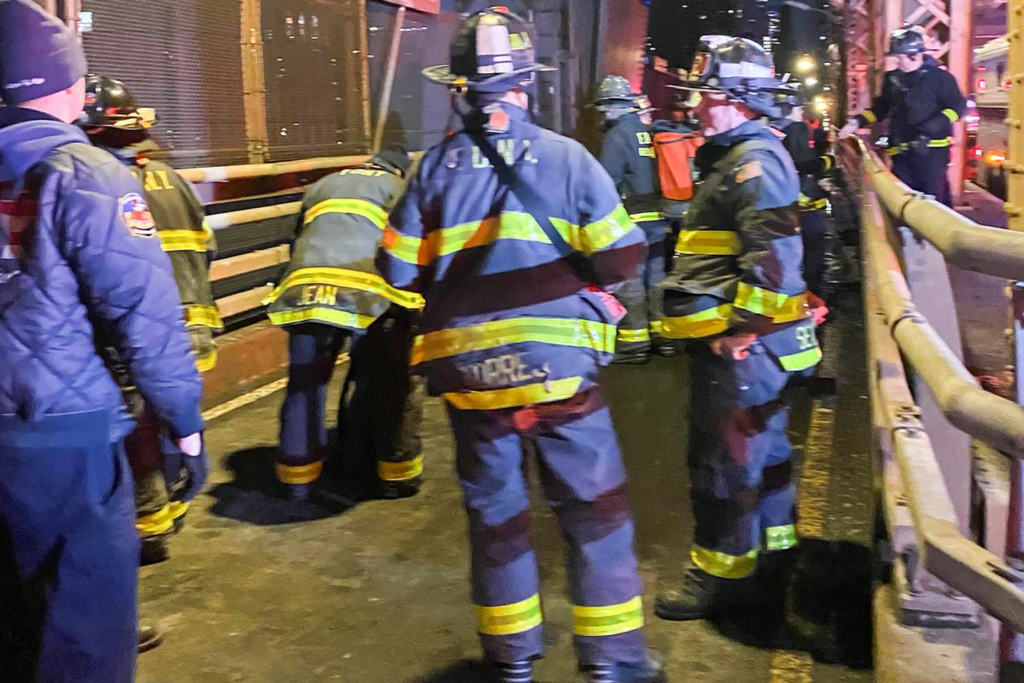
Officials later reported that the teenager’s condition had stabilized following medical care. While details regarding the extent of his injuries were not publicly confirmed, stabilization suggests that initial treatment successfully addressed immediate life-threatening concerns. Recovery from such an incident can involve extended monitoring, rehabilitation, and follow-up evaluation, depending on the severity of injuries sustained.
The medical response underscored the importance of rapid intervention after confined-space incidents. Prolonged entrapment can exacerbate trauma, dehydration, and environmental exposure. Even when external injuries appear limited, internal complications may develop hours after rescue. Early hospital care is therefore essential in improving survival outcomes and minimizing long-term health effects.
Social Media Stunts and Growing Safety Concerns
Authorities indicated that the teenager may have been filming a video for TikTok at the time of the fall, though official confirmation of the exact circumstances has not been publicly detailed. If accurate, the incident would join a growing number of emergencies linked to risky behavior undertaken for online content creation.
In recent years, various social media challenges and trends have drawn attention for encouraging participants to engage in potentially dangerous activities. These can involve accessing restricted locations, performing physical stunts, or interacting with hazardous environments in pursuit of dramatic footage. Infrastructure such as bridges, rail systems, and industrial sites often becomes the setting for such activities due to their visual impact.
Public safety officials have repeatedly warned that many of these locations contain hidden dangers not apparent to the general public. Structural elements like maintenance shafts, support chambers, and access points are not designed for unsupervised entry. They may lack proper lighting, ventilation, or secure footing, making them particularly hazardous.
Read : 12 Men Charged with Manslaughter in Fatal Attack on Cambridge Fan Simon Dobbin
Incidents involving social media-related risk-taking have occurred across various settings, including transportation systems and private facilities. Authorities have expressed concern that the pursuit of online attention may lead individuals, especially teenagers, to underestimate physical dangers or bypass safety barriers. Emergency responders frequently encounter situations where access restrictions have been ignored or safety warnings disregarded.
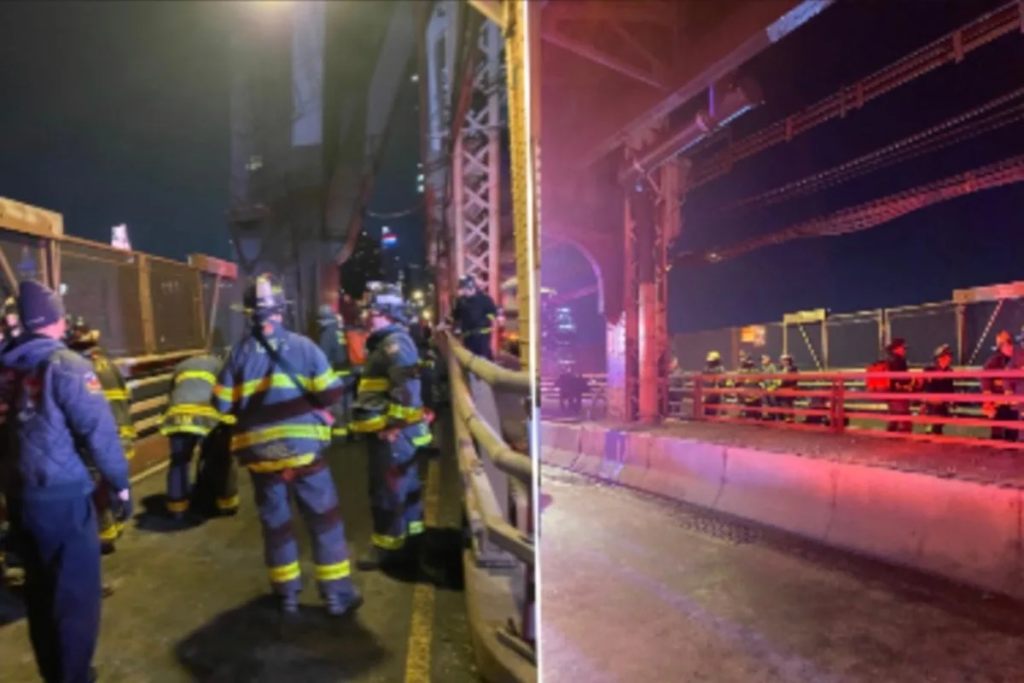
The Queensboro Bridge rescue reflects broader concerns about how digital platforms can influence real-world behavior. While social media provides opportunities for creativity and communication, it can also amplify visibility for risky actions that might not otherwise occur. Emergency services across many regions have reported increased responses linked to individuals attempting to capture unusual or extreme footage.
Officials have emphasized that infrastructure areas not open to the public should never be entered without authorization. Structural features of bridges and similar facilities are designed with engineering priorities rather than human safety in mind. Even brief exposure to these environments can lead to severe injury or life-threatening situations.
The teenager’s fall and subsequent rescue highlight how quickly a moment intended for recording content can turn into a large-scale emergency requiring significant public resources. Confined-space rescues demand specialized equipment, trained personnel, and coordinated planning, placing substantial demands on emergency response systems.
Investigations into the circumstances surrounding the incident were ongoing following the rescue. Authorities continued to gather information regarding how the teenager accessed the restricted area and the sequence of events leading to the fall. Such reviews are standard practice after complex rescues and help determine whether safety measures need to be strengthened or clarified.
Emergency officials noted that unauthorized access to structural components of bridges presents significant risks not only to individuals but also to the safety of responders who must operate in hazardous environments to conduct rescues. Each confined-space operation carries inherent danger, requiring careful balance between urgency and responder safety.
The incident on the Queensboro Bridge remains a striking example of how quickly situations can escalate when individuals enter restricted infrastructure spaces. It also illustrates the extensive coordination required among emergency services to locate, stabilize, and extract someone from a location never intended for public presence.