
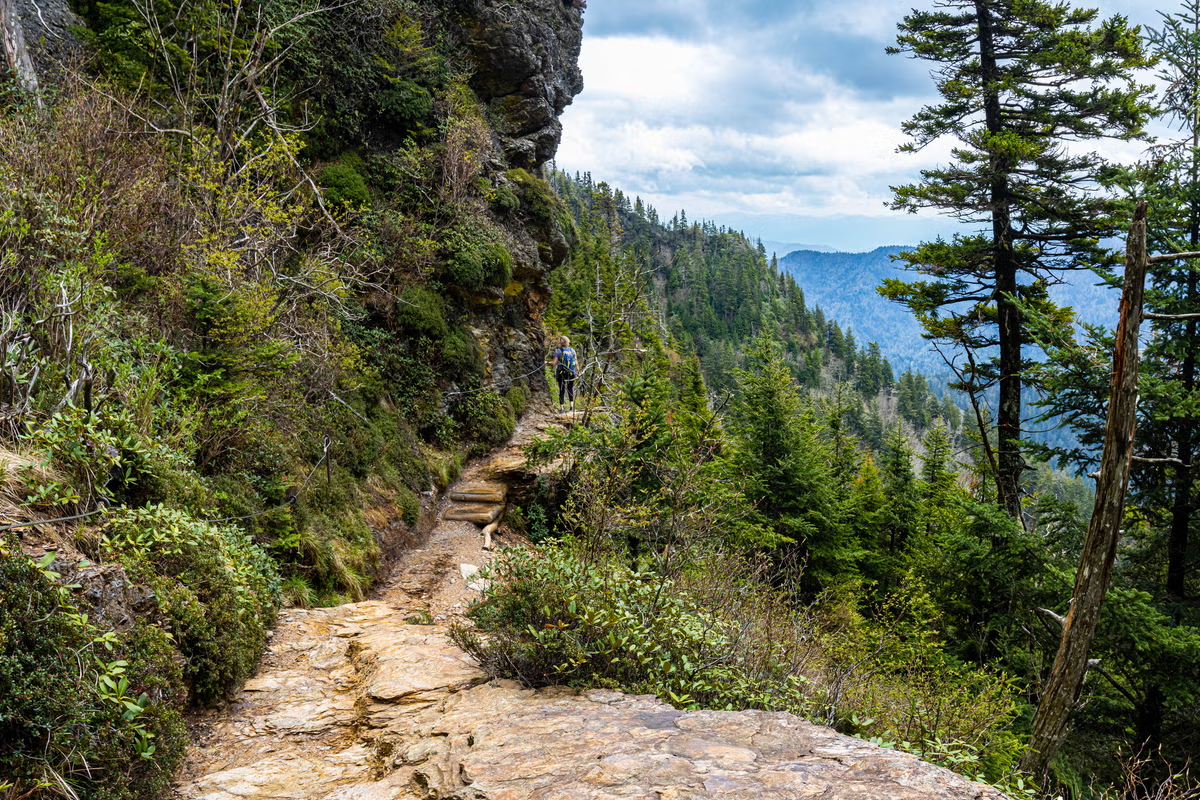
A tragic hiking accident in one of America’s most visited natural destinations has once again drawn attention to the risks associated with outdoor recreation. A 65-year-old woman lost her life after falling approximately 60 feet from a cliff while hiking along a popular trail in the Great Smoky Mountains National Park. The incident occurred on Saturday, March 28, during what was likely meant to be a routine outdoor excursion.
Despite a swift response from park rangers, the woman could not be revived at the scene. Authorities have not yet released her identity, as efforts to notify her family were still underway in the days following the incident. The accident has renewed discussions around hiking safety, especially in rugged terrains where natural beauty often comes with hidden dangers.
Details of the Fatal Fall on Alum Cave Trail
The incident took place along the Alum Cave Trail, one of the more frequented hiking routes within the national park. Known for its scenic views and geological features, the trail attracts thousands of hikers each year, ranging from casual walkers to experienced trekkers. However, certain sections of the trail are narrow, steep, and potentially hazardous, especially for those who may not be adequately prepared or cautious.
According to reports, the woman fell roughly 60 feet from a cliff while navigating the trail. The exact circumstances leading to the fall remain unclear, and officials have not publicly disclosed whether environmental conditions, footing, or other factors contributed to the accident. Park rangers responded promptly after receiving reports of the fall and attempted life-saving measures, but their efforts were unsuccessful.
The delay in releasing the victim’s identity reflects standard procedure, as authorities prioritize informing family members before making such details public. The incident has left visitors and local communities shaken, particularly those familiar with the trail’s popularity and reputation as a must-visit destination within the park.
Read : Majestic Marvel: Exploring the Beauty of Ha Long Bay, Vietnam
The Alum Cave Trail, while considered moderately challenging, includes exposed areas where missteps can have serious consequences. Sections of the trail feature uneven terrain, loose rocks, and limited protective barriers, requiring hikers to remain vigilant at all times. Even experienced hikers can face risks, particularly if they underestimate the terrain or encounter unexpected conditions.
Risks and Safety Concerns in Mountain Hiking
The Great Smoky Mountains National Park spans a vast and diverse landscape, covering more than 800 square miles of mountainous terrain. While it offers breathtaking scenery and a wide range of outdoor activities, it also presents inherent risks that can quickly escalate into life-threatening situations. Each year, the park records multiple incidents involving injuries and fatalities, often linked to falls, wildlife encounters, or environmental hazards.
Read : Canadian Tourist Dies While Climbing Tiger Cave Temple’s 1,260 Steps
Park authorities consistently emphasize that backcountry travel carries significant risks and that hikers must take full responsibility for their safety. Unlike urban environments, where emergency services are readily accessible, rescue operations in remote areas can be delayed or complicated by terrain and weather conditions. As a result, even minor misjudgments can have severe consequences.
Falling remains one of the leading causes of serious injuries and deaths in mountainous regions. Trails that appear manageable at first glance can include sudden drop-offs, slippery surfaces, and unstable ground. Weather changes, such as rain or fog, can further increase the danger by reducing visibility and making surfaces more treacherous.
In addition to terrain-related risks, hikers in the park must also contend with wildlife and natural elements. Encounters with animals such as bears, exposure to poisonous plants, and the presence of venomous snakes add layers of complexity to what might otherwise seem like a straightforward hike. These factors underscore the importance of preparation, awareness, and adherence to safety guidelines.
Authorities advise hikers to research trails thoroughly before setting out, ensuring they understand the level of difficulty and any specific hazards. Carrying essential supplies, including water, appropriate footwear, navigation tools, and emergency equipment, is strongly recommended. Hikers are also encouraged to stay on marked paths, avoid risky shortcuts, and remain mindful of their physical limits.
Growing Concerns Over Fatalities in Popular National Parks
The recent incident adds to a broader pattern of fatalities recorded in the park over the past decade. Between July 2013 and July 2023, more than 100 deaths were reported within the park, highlighting the ongoing challenges associated with managing safety in high-traffic natural areas. In 2024, the park was ranked among the most deadly national parks in the United States, a statistic that reflects both its popularity and the inherent risks of its terrain.
The high number of visitors each year contributes to the complexity of maintaining safety standards. With millions of people exploring the park annually, ensuring that every individual is adequately prepared becomes a significant challenge. While park authorities provide signage, guidelines, and educational resources, compliance ultimately depends on individual responsibility.
Incidents like this often prompt renewed calls for enhanced safety measures, including improved trail maintenance, clearer warning signs, and increased ranger presence in high-risk areas. However, experts note that it is not always feasible to eliminate all risks in natural environments without compromising the very features that make these վայր locations appealing.
The balance between accessibility and preservation remains a central issue for national parks. While efforts are made to make trails safer and more navigable, the rugged and untouched nature of these landscapes is a key part of their identity. Visitors are therefore expected to approach such environments with caution and respect.
The death of the 65-year-old woman serves as a somber reminder of the unpredictability of outdoor activities, even in well-known and frequently visited locations. It underscores the importance of vigilance, preparation, and informed decision-making when exploring natural terrains. As investigations continue into the circumstances surrounding the fall, the incident stands as another example of how quickly a routine outing can turn tragic in environments where safety is never guaranteed.