
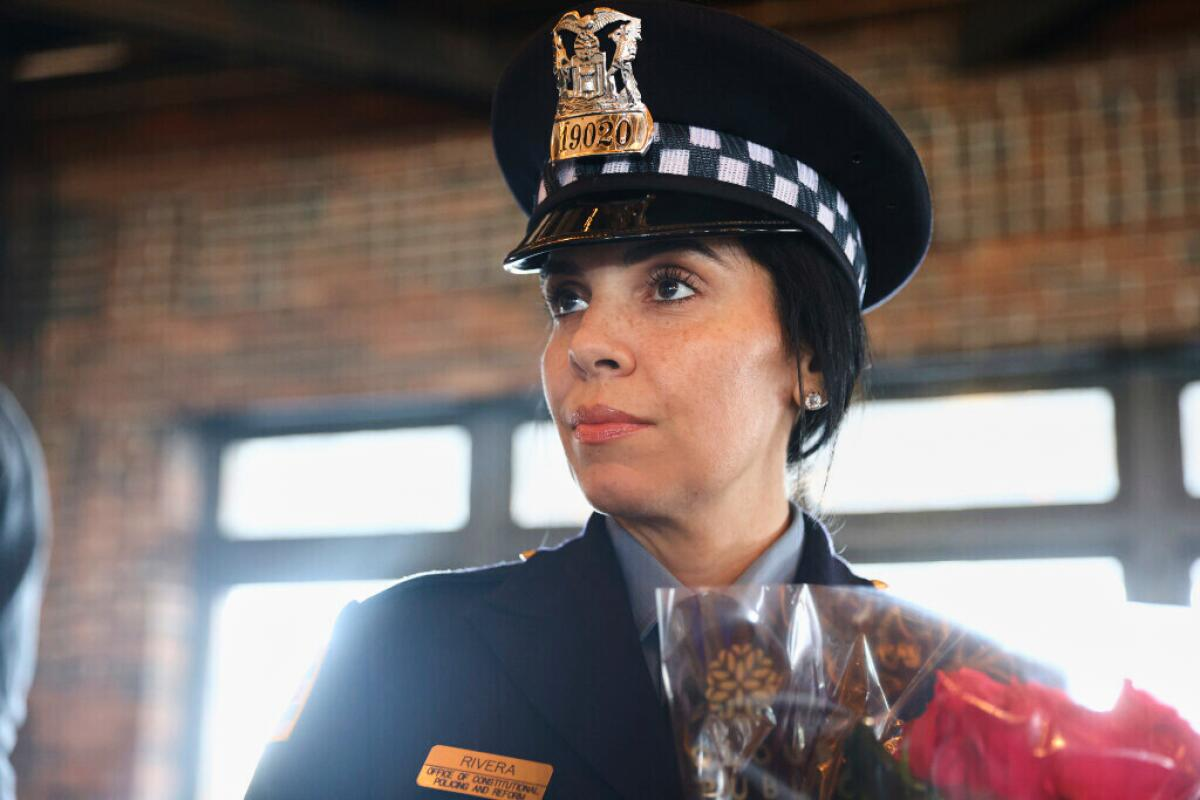
The wrongful death lawsuit filed by the family of Officer Krystal Rivera has brought renewed scrutiny to the Chicago Police Department and to Officer Carlos Baker, who is accused of fatally shooting his former partner during a police operation in June 2025. The 37-page complaint, filed Thursday morning, alleges that the department failed to intervene despite repeated warnings about Baker’s behavior, his disciplinary history, and Rivera’s own concerns about her safety while working alongside him.
Krystal Rivera’s mother, Yolanda, spoke publicly about the case, saying her daughter should never have had to fear her own partner and that the betrayal ultimately cost Rivera her life. As new details emerge about the events leading up to the shooting, the legal action underscores broader questions about departmental oversight, officer conduct, and internal accountability.
History of Complaints and a Troubled Partnership
According to the lawsuit and statements from the family’s attorneys, the professional relationship between Krystal Rivera and Baker had deteriorated significantly by the time of the fatal shooting. The two officers had allegedly been involved in an on-and-off romantic relationship for two years, which Rivera ultimately ended just one month prior to her death. Attorney Antonio Romanucci stated that Rivera ended the relationship after learning that Baker had been living with another woman at the same time, and that the breakup created tension that carried into their professional duties.
Court filings indicate that Krystal Rivera had repeatedly expressed concern about Baker’s conduct on the job, describing what she saw as reckless behavior and a pattern that made her uncomfortable working with him. She reportedly requested a new partner and brought her concerns to her supervisors. Attorneys argue that this placed a responsibility on the Chicago Police Department to act, especially because department policy requires intervention when an interpersonal relationship affects officers’ work performance or safety.
Attorney Maura White emphasized that Krystal Rivera’s attempts to change partners stemmed directly from concerns for her own safety, a warning the department failed to properly address. NBC 5 Investigates uncovered a substantial disciplinary history for Baker—one that the lawsuit argues should have disqualified him from continued duty. In his three years with CPD, Baker had been brought up on charges 24 times.
Read : Chicago Police Officer Krystal Rivera Shot and Killed by Fellow Officer During Chase
While a portion of those incidents were categorized as unfounded, administratively closed, or expunged, others were not. He had been suspended in 2023 for a civil rights violation and had been formally reprimanded multiple times. The lawsuit also notes at least eight sustained or disciplined incidents in his record, raising serious questions about what the department knew and what actions it took to address what attorneys describe as a pattern of risky or inappropriate behavior.
Read : Carlo Acutis: First Millennial to Be Granted Sainthood After Second Miracle Attributed to Him
Romanucci asserted that Baker should not have remained in the department beyond his probationary period and that the department’s failure to adequately respond to prior incidents allowed a dangerous situation to escalate unchecked. The family’s legal representatives argue that supervisors were aware of the relationship between Krystal Rivera and Baker as early as September 2023—nearly two years before the fatal shooting—and that the continued assignment of the two as partners reflected a disregard for clear warning signs.
Allegations Surrounding the June 5, 2025 Shooting
The lawsuit sheds new light on the circumstances surrounding Rivera’s death during a police operation on June 5, 2025. That evening, Rivera and Baker were pursuing a suspect inside a building on the 8200 block of South Drexel. According to the complaint, Baker kicked down a door during the pursuit, with Rivera positioned behind him. Attorneys say that Baker then turned 180 degrees and fired his weapon, striking Rivera in the back.
One of the most alarming allegations centers on Baker’s actions immediately following the shooting. According to Romanucci, Baker did not call for medical assistance right away and instead began attempting to cover up what had happened. The lawsuit claims that Baker falsely reported that shots had been fired at the officers, despite the fact that the only bullet fired that night came from his weapon.
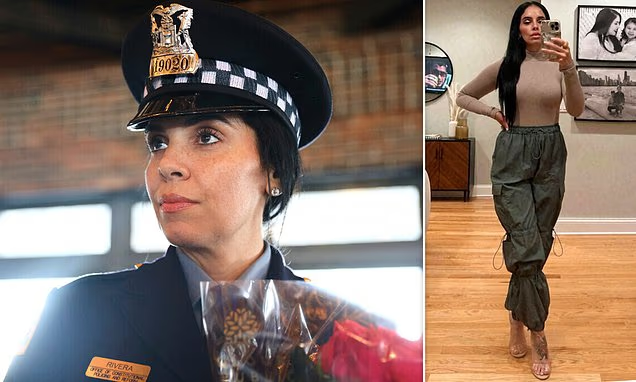
These allegations, if proven, could significantly undermine the narrative that Krystal Rivera’s death was an unavoidable mistake during a chaotic situation and instead support the family’s contention that negligence, recklessness, or intentional misconduct occurred. The lawsuit further claims that Baker’s disciplinary history and prior behavior should have prompted CPD to remove him from field duty long before the incident.
The attorneys argue that his actions on the night of Krystal Rivera’s death are consistent with earlier documented issues, reinforcing their claim that the department failed to meet its duty to ensure safe working conditions for its officers. Since the shooting, NBC 5 Investigates reported that another allegation of domestic violence against Baker resulted in him being stripped of his police powers, raising additional questions about how previous complaints were handled. For Rivera’s family, these developments highlight what they see as longstanding systemic failures within the department.
Response from Chicago Police, the FOP, and Ongoing Litigation
The lawsuit has prompted strong reactions from various corners of the law enforcement community. The Fraternal Order of Police (FOP) Lodge President John Catanzara publicly defended Baker, calling the shooting a tragic mistake rather than an intentional act. Catanzara stated that Baker did not realize he had fired the fatal shot and disputed the significance of any personal relationship between the two officers.
He also rejected claims that Baker intentionally left Krystal Rivera to die, describing those allegations as “disgusting.” The FOP’s position aligns with broader concerns about due process for officers involved in critical incidents, but it stands in sharp contrast to the narrative presented by Rivera’s family and their attorneys.
For its part, the Chicago Police Department declined to comment on the lawsuit, citing a policy against speaking publicly about ongoing litigation. The Chicago Department of Law also stated that it does not comment on active cases. Baker’s attorney has not responded to media inquiries, leaving his legal defense and perspective on the allegations unaddressed in public forums.
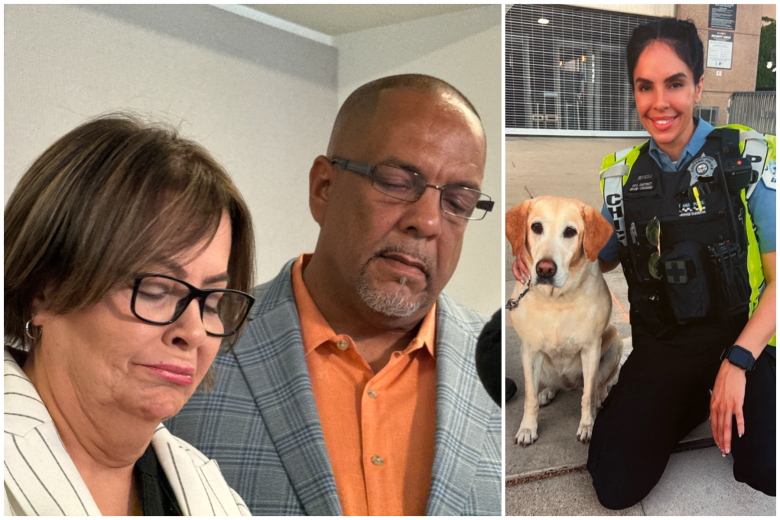
The lawsuit arrives at a time when the Chicago Police Department continues to face scrutiny over officer conduct, oversight procedures, and internal disciplinary mechanisms. High-profile cases in recent years have intensified public debate around accountability, the handling of misconduct claims, and the department’s ability to monitor interpersonal dynamics that might compromise officer safety. Rivera’s death, as presented in the lawsuit, appears to touch on all these issues, making the case emblematic of broader structural questions.
Attorneys representing the Rivera family have framed the lawsuit not only as a quest for justice for Krystal but also as an effort to push for changes within the department. They argue that the situation leading to her death was foreseeable and preventable had the department taken prior warnings seriously. According to Romanucci and White, the case exemplifies what can happen when early signs of danger—whether in professional conduct or personal relationships—are not addressed.
The litigation will likely involve extensive review of Baker’s disciplinary record, interviews with supervisors who were aware of his conduct, and examination of CPD protocols related to partner assignments and conflict management. Investigators may also scrutinize communications and internal reports to assess whether Rivera’s concerns were documented and whether any formal requests for reassignment were made or ignored.
Rivera’s family maintains that her life might have been saved had the department taken even minimal corrective action earlier. They argue that CPD had both the information and the responsibility to intervene and that the chain of events leading to the June 5 shooting was set in motion long before that night. The case also raises questions about whether officers should be paired with former romantic partners at all and how the department evaluates conflict-of-interest risks within its ranks.
As legal proceedings unfold, the public will gain further insight into the internal dynamics of the department and the decisions that allowed Baker to remain in his role. For the Rivera family, the lawsuit represents a crucial step toward accountability and a means of ensuring that their daughter’s death is not forgotten or minimized. Though the outcome of the litigation remains uncertain, the issues it raises are likely to resonate far beyond this single case, contributing to an ongoing dialogue about safety, oversight, and structural reform within one of the nation’s largest police departments.
Just stumbled upon fortunemouse4 and gotta say, I’m impressed. The site is slick and easy to navigate. Looking forward to seeing what else they have to offer! Check it out fortunemouse4, you might just get lucky.
**mitolyn reviews**
Mitolyn is a carefully developed, plant-based formula created to help support metabolic efficiency and encourage healthy, lasting weight management.