
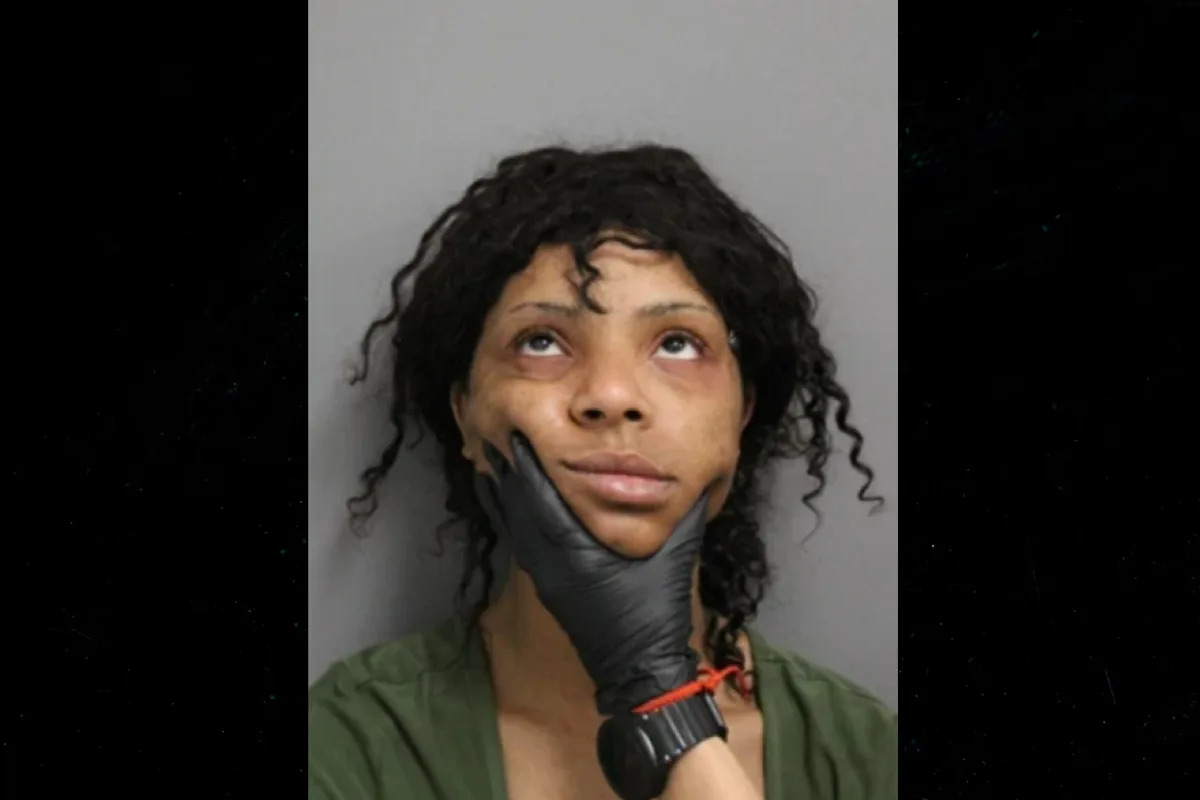
The image was stark, unusual, and quickly unsettling to many who saw it. A mugshot posted online by a Texas law enforcement agency showed 28-year-old Fant Jomecia looking upward while a gloved hand pressed against her jaw, appearing to hold her face in position. The photograph circulated rapidly on social media, where observers questioned why physical contact was visible at all in what is typically a standardized and controlled booking process. For many viewers, the image seemed to capture more than documentation — it appeared to suggest force, restraint, or at minimum an unnecessary level of physical handling.
Public reaction intensified after the photograph was shared on the agency’s official platform, accompanied by a statement indicating that Jomecia had been taken into custody and processed without incident. Yet the visual evidence in the image itself led many to question whether the description of events fully matched what they were seeing. The post was later removed, but not before drawing widespread criticism and sparking debate about detainee treatment, professional procedure, and transparency in local jail systems.
The controversy surrounding the mugshot soon expanded beyond the single photograph. Questions emerged about the circumstances of Jomecia’s arrest, the handling of individuals in custody, and the broader history of scrutiny surrounding detention practices in the county where she had been held. What began as concern over one booking image quickly became a focal point for broader discussions about accountability, jail oversight, and the boundaries of acceptable conduct during the intake process.
The Mugshot That Triggered Public Outcry
Fant Jomecia, 28, had been accused of trespassing at an apartment complex in Houston. According to official statements initially shared alongside the photograph, she was taken into custody and booked into the county jail without incident. Under normal circumstances, such a charge and booking would likely have passed with little public attention. However, the photograph released during the booking process dramatically altered that trajectory.
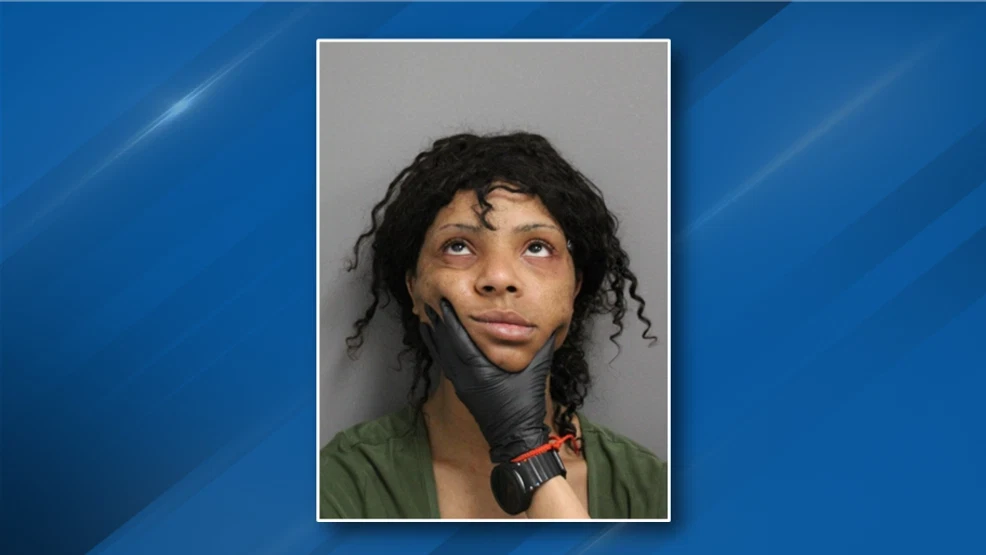
The mugshot depicted a gloved hand positioned beneath Jomecia’s chin, pressing into her cheeks while her head tilted upward. The physical contact appeared firm enough to shape the position of her face for the camera. Mugshots are typically designed to capture a neutral, unobstructed image of a detainee’s face for identification purposes. As a result, the visible presence of a hand — especially one seemingly applying pressure — stood out as unusual and prompted immediate questions about whether the force was necessary or appropriate.
Online commenters reacted strongly to the image. Many expressed concern that physical manipulation should not be part of standard booking procedures, arguing that detainees who refuse to cooperate can be managed through established disciplinary or procedural measures rather than physical repositioning. Some observers described the image as disturbing, emphasizing that individuals in custody retain basic rights and should not be handled in ways that appear aggressive or coercive.
Others questioned whether the photograph itself should ever have been released publicly in that form. Even if physical contact had occurred during the booking process, critics argued, publishing an image that visibly captured such contact risked normalizing or legitimizing potentially questionable conduct. The fact that the photograph was initially shared through official channels intensified concerns, as it suggested that those responsible for its release did not view the image as problematic.
Read : Watch Video of World’s Smelliest Flower Titan Arum Blooming at the Royal Botanic Garden in London
As scrutiny grew, the post was eventually deleted. However, by that point the image had already circulated widely, and the public response had moved beyond the single photograph to broader questions about procedural standards and institutional oversight. The visual nature of the controversy made it particularly powerful. Unlike written allegations, the image itself provided what many perceived as direct evidence of physical handling, prompting emotional and immediate reactions.
Dismissal of the Case and Legal Outcome
While public attention remained focused on the mugshot, developments in the legal case against Jomecia added another layer to the situation. Records later indicated that the trespassing charge filed against her had been dismissed. Court documentation showed that prosecutors requested the case be dropped “in the interest of justice,” a phrase commonly used when continuing prosecution is deemed unnecessary, unsupported by evidence, or inconsistent with broader legal considerations.
By the time these records became publicly known, jail databases no longer listed Jomecia as being in custody. The dismissal of the charge raised further questions among observers already troubled by the mugshot. Some interpreted the outcome as reinforcing concerns that the initial arrest and detention — along with the handling captured in the photograph — may not have been proportionate or warranted.
However, official details explaining the precise reasoning behind the dismissal were limited. Requests for comment directed to law enforcement and prosecutorial offices did not immediately produce public explanations clarifying whether the decision was related to evidentiary issues, procedural concerns, or broader prosecutorial discretion. As a result, the absence of detailed information allowed speculation to persist.
The combination of the controversial image and the eventual dismissal of the charge created a narrative that many found troubling. If the legal case did not proceed, critics argued, the public was left with a striking visual record of physical handling during a booking process connected to an allegation that ultimately did not result in prosecution. This sequence of events intensified calls for clarity about how detainees are managed during intake and what standards govern physical contact during documentation procedures.
For some observers, the dismissal also highlighted the potential consequences of public perception. Once the image had circulated widely, the handling of the case became subject not only to legal review but also to public scrutiny. The visibility of the mugshot meant that questions about treatment, procedure, and accountability could not be confined to internal review processes.
Broader Scrutiny of Jail Practices and Institutional Oversight
The controversy surrounding Jomecia’s mugshot did not occur in isolation. The jail system where she had been detained has faced previous criticism and legal challenges related to inmate treatment and detention practices. These earlier incidents formed an important backdrop to the public reaction, shaping how the image was interpreted and why it generated such intense concern.
Read : Mugshot of 19-Year-Old Leonardo Campos Torres Who Shot and Killed His 35-Year-Old Relative Released
In one widely discussed lawsuit filed in 2025, detention officers were accused of striking a female inmate dozens of times during a confrontation that allegedly began with a verbal dispute. The case centered on claims of excessive force and raised questions about supervision, training, and accountability within the facility. Although each case involves distinct circumstances, prior allegations of physical mistreatment contributed to a climate in which new incidents were examined closely.
Another case in 2024 involved charges against three officers accused of assaulting an inmate who was left in a coma following an alleged beating. Although that case was later dropped due to insufficient evidence, it nevertheless drew attention to the risks associated with custodial environments and the challenges of investigating incidents that occur within secure facilities.
Beyond specific allegations, the county’s jail system has also faced structural challenges, including chronic understaffing. Staffing shortages can affect supervision, response times, and the ability to maintain consistent procedural standards. Critics have argued that strained resources may increase the likelihood of confrontational interactions or procedural shortcuts, though officials have maintained that systems are in place to ensure safety and compliance.
The county has also operated under a federal consent decree related to bail practices since 2019. The agreement emerged from a lawsuit alleging that individuals accused of misdemeanors were effectively penalized for lacking financial resources if they could not afford bail. The resulting reforms allowed many such individuals to be released without payment, reflecting broader national debates about fairness and equity in pretrial detention.
This history of legal scrutiny, structural pressure, and reform efforts created a context in which the mugshot of Fant Jomecia was not viewed simply as an isolated anomaly. Instead, it was interpreted by many as part of a larger pattern of concerns about detention conditions, oversight, and the treatment of individuals within the jail system.
As public discussion continues, the image remains a focal point for questions about professional standards during booking procedures and the transparency of law enforcement practices. The controversy demonstrates how a single visual record can become emblematic of broader institutional debates, particularly when it intersects with existing concerns about accountability and detainee treatment.