
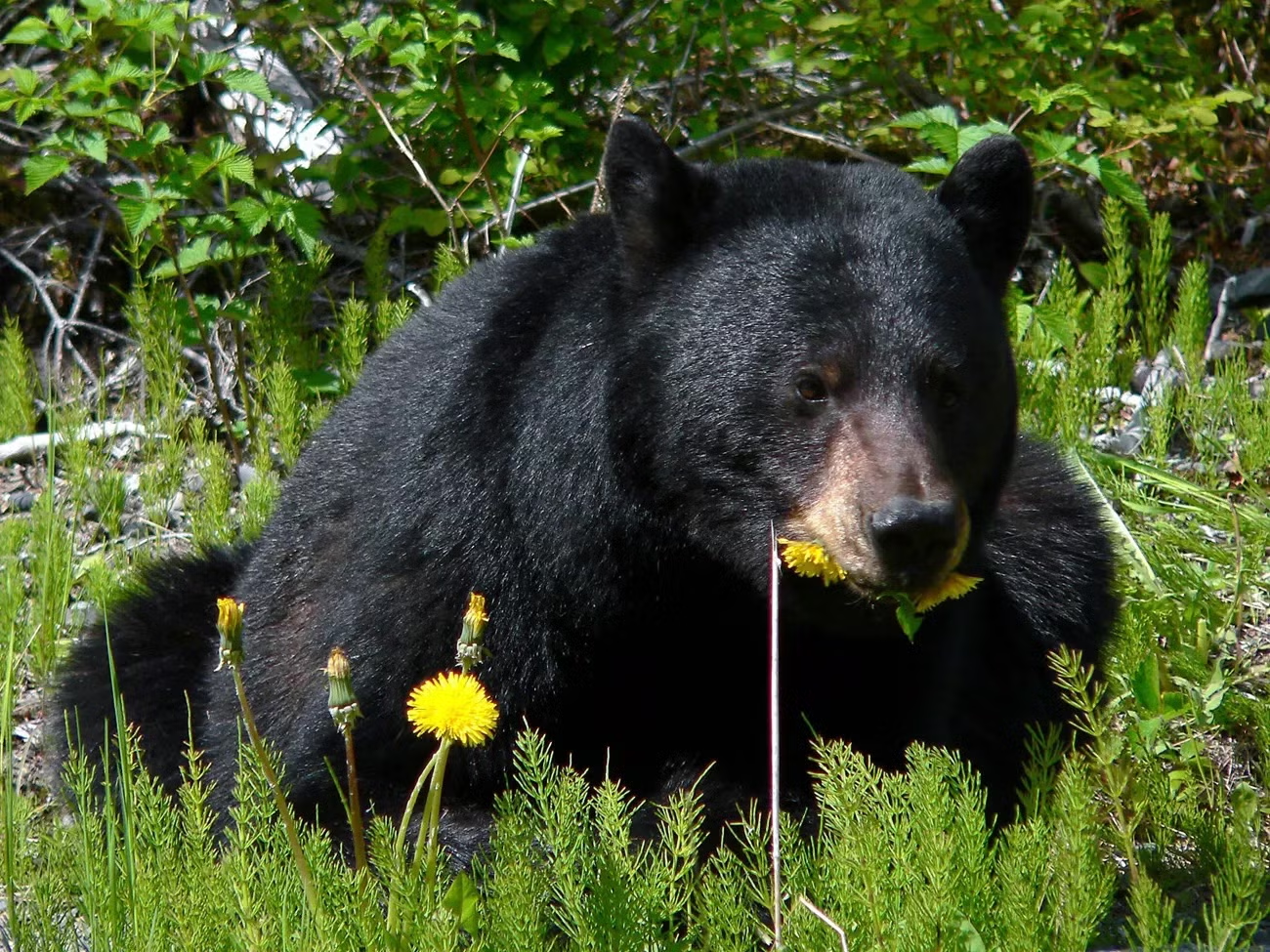
In a swift response to a tragic wildlife encounter, Arkansas authorities have euthanized a male black bear suspected of fatally mauling a 60-year-old camper in the Ozark National Forest. The incident, which unfolded last week at the remote Sam’s Throne campground, marks the second fatal bear attack in the state within recent weeks, raising urgent questions about human-wildlife interactions in increasingly populated natural areas.
Max Thomas, a resident of Springfield, Missouri, was found dead several yards from his campsite on Thursday, October 2, 2025, following a welfare check initiated by his family. The Arkansas State Crime Lab officially ruled his death an “animal mauling,” with injuries consistent with a large carnivore attack. Newton County Sheriff Glenn Wheeler confirmed that the bear in question was tracked and killed on Sunday, October 5, underscoring the rapid escalation from discovery to resolution in this remote northwest Arkansas location.
Discovery of the Victim and Initial Investigation
The sequence of events began on Tuesday, September 30, 2025, when Max Thomas, an avid outdoorsman known among friends for his love of solo camping trips, captured photographs of a black bear wandering near his campsite at Sam’s Throne. Located in the rugged terrain of the Ozark National Forest near Mount Judea in Newton County, the campground is a favored spot for hikers, photographers, and those seeking solitude amid dramatic rock formations and forested trails.
Thomas promptly shared the images with his family via text, expressing mild concern but no immediate alarm, according to statements from relatives relayed through Sheriff Wheeler. These photos would later prove pivotal in identifying the suspect animal. By Thursday, October 2, Thomas had gone silent for several days, prompting his son to contact authorities for a welfare check. A deputy from the Newton County Sheriff’s Office arrived at the site around midday and discovered Thomas’s body approximately 20 yards from his tent.
The scene showed signs of a violent struggle: scattered camping gear, torn fabric from Thomas’s clothing, and deep lacerations across his torso and limbs indicative of claw and bite wounds. Initial assessments by responding emergency personnel noted the absence of any defensive weapons or bear spray near the body, though Thomas’s vehicle and personal effects remained largely undisturbed. The deputy secured the perimeter, and the body was transported to the Arkansas State Crime Lab in Little Rock for autopsy.
The medical examiner’s report, released on Friday, October 3, confirmed the cause of death as massive trauma from an animal attack, classifying the manner as accidental. Forensic evidence collected at the scene—including hair samples, paw prints, and blood spatter—was forwarded to an independent laboratory for species confirmation. Trail cameras set up by investigators overnight captured a large male black bear returning to the vicinity, matching the description from Thomas’s earlier photos: a robust adult estimated at 250-300 pounds, with distinctive markings on its flank.
Read : Indian National Kapil Raghu Detained for 30 Days After Arkansas Police Mistake Perfume Bottle for Narcotics
Sheriff Wheeler, in a press briefing that evening, described the attack as opportunistic, likely occurring while Thomas slept or prepared food outside his tent. “This was a quiet corner of the forest, but nature doesn’t always respect boundaries,” Wheeler stated, emphasizing the isolation of the site, which lacks cell service and is accessible only by gravel roads.
Read : Top Ten Most Famous Cartoon Characters Around the World
Local residents and fellow campers in the area reported no prior aggressive bear sightings at Sam’s Throne, though wildlife experts noted increased bear activity in the Ozarks during late fall as animals forage ahead of hibernation. The U.S. Forest Service temporarily closed the campground and adjacent trails to facilitate the investigation, advising visitors to avoid the zone until further notice. This closure affected a handful of planned outings but was lifted partially by Monday, October 6, once the threat was neutralized.
Swift Action: Tracking and Elimination of the Suspect Bear
With confirmation of the mauling, authorities launched an immediate hunt for the bear, mobilizing a multi-agency team that included the Arkansas Game and Fish Commission (AGFC), U.S. Forest Service rangers, and local hunters experienced in tracking. On Saturday, October 4, hounds were deployed to follow the scent trail from the attack site, leading the group through dense underbrush and steep inclines characteristic of the Ozark highlands. By midday Sunday, the search converged on a thicket about two miles from Sam’s Throne, where the bear was cornered and shot by AGFC wildlife officers using standard-issue rifles.
The carcass was airlifted via helicopter to Little Rock for necropsy, during which DNA samples from the bear’s claws and mouth were extracted and cross-matched against traces from Thomas’s wounds. Preliminary results, announced Monday, October 6, by AGFC spokesperson Stephanie White, indicated a strong match, with full lab confirmation expected within days. “We move quickly in these cases because bears that attack humans are dangerous and will continue to pose a threat,” White explained.
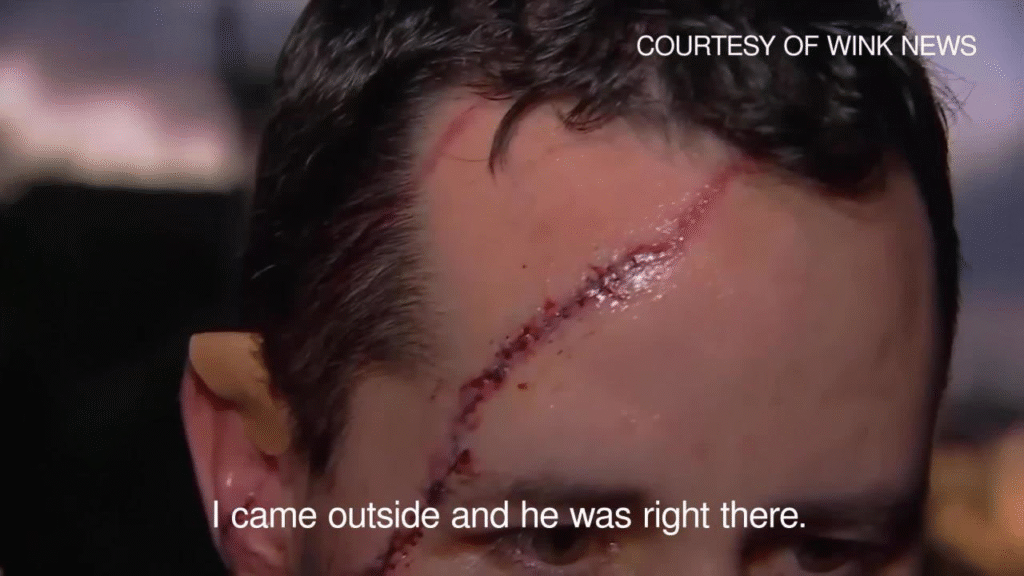
The bear, identified as a mature male in good health, showed no signs of rabies or starvation—factors that sometimes precipitate aggressive behavior—but its stomach contents revealed remnants of human food scraps, suggesting possible habituation to campground refuse. Sheriff Wheeler expressed confidence in the identification, noting the animal’s physical match to both Thomas’s photos and a separate encounter reported by another camper at a nearby roadside overlook in September.
That earlier sighting involved the bear approaching a vehicle, scavenging discarded items, which aligned with patterns of bears losing their natural wariness around people. The operation, while effective, drew mixed reactions from conservationists, who praised the precision but urged broader preventive measures over lethal responses. No injuries were reported among the tracking team, and the bear’s pelt and remains will be used for educational purposes by the AGFC, in line with state protocols for nuisance wildlife.
This rapid intervention prevented potential further incidents, especially given the bear’s apparent boldness. In the hours following the kill, additional trail cams in the area recorded no other bear activity, providing early reassurance to the community.
Broader Implications: Bear Populations and Safety in the Ozarks
This mauling is not an isolated tragedy; it is the second fatal black bear attack in Arkansas within weeks, following a similar incident in Franklin County last month that claimed the life of a hiker. Such events are exceedingly rare—the first in 25 years prior to this spate—yet they spotlight the success of decades-long conservation efforts.
Black bears, once reduced to fewer than 50 individuals in Arkansas by the 1930s due to habitat loss and overhunting, were reintroduced in the 1950s and 1960s through relocation programs in the Ouachita and Ozark mountains. Today, the state hosts an estimated 5,000 bears, a figure bolstered by protected lands and natural recovery, though exact counts remain challenging due to the animals’ elusive nature.
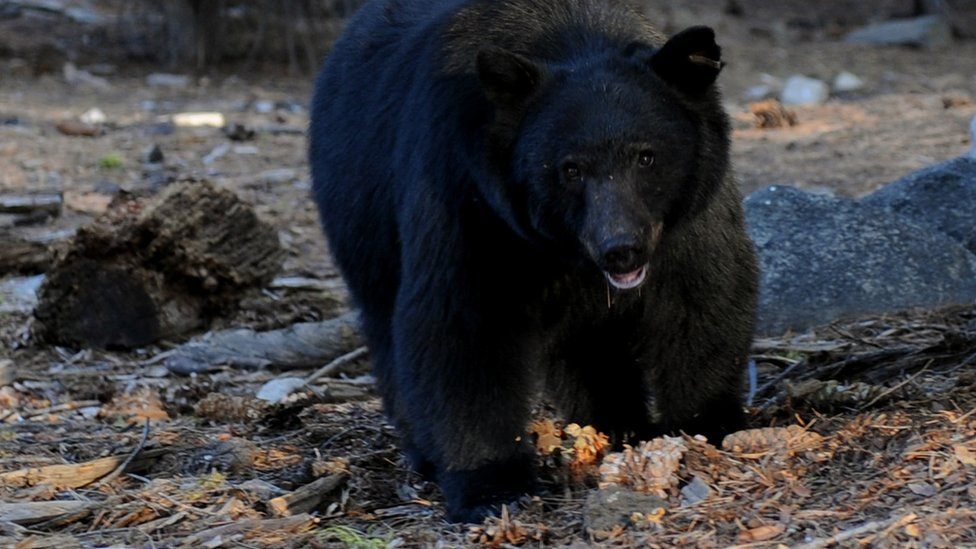
The AGFC attributes the uptick in encounters to expanding bear ranges overlapping with recreational areas like the Ozark National Forest, which spans 1.2 million acres and attracts over 500,000 visitors annually. Fall, in particular, sees heightened activity as bears bulk up on acorns, berries, and opportunistic human-provided calories. Experts like White stress that attacks stem from human error more than bear aggression: improper food storage, feeding wildlife, or surprising a mother with cubs. In Thomas’s case, investigators found unsecured provisions in his cooler, which may have drawn the bear initially.
In response, the AGFC has ramped up public education campaigns, distributing bear-aware guidelines at trailheads and online. Key recommendations include storing food in airtight containers or bear-proof canisters, cooking away from tents, and carrying EPA-registered bear spray. The agency also plans to install more bear-proof trash receptacles at high-traffic sites like Sam’s Throne and conduct population surveys to monitor densities. “Bears are thriving because we’ve done our job as stewards,” White noted, “but coexisting requires vigilance from all sides.”
For the Springfield community, the loss of Max Thomas—a retired mechanic and grandfather who cherished his forest escapes—has prompted an outpouring of support. A memorial fund has been established through local channels, with tributes highlighting his gentle spirit and passion for nature. As the Ozarks heal from this episode, the incident serves as a sobering call to balance appreciation for wilderness with respect for its untamed elements. Authorities continue to monitor the area, ensuring that Sam’s Throne remains a sanctuary rather than a site of sorrow.
p7li5d
Rattling informative and wonderful body structure of content, now that’s user friendly (:.