
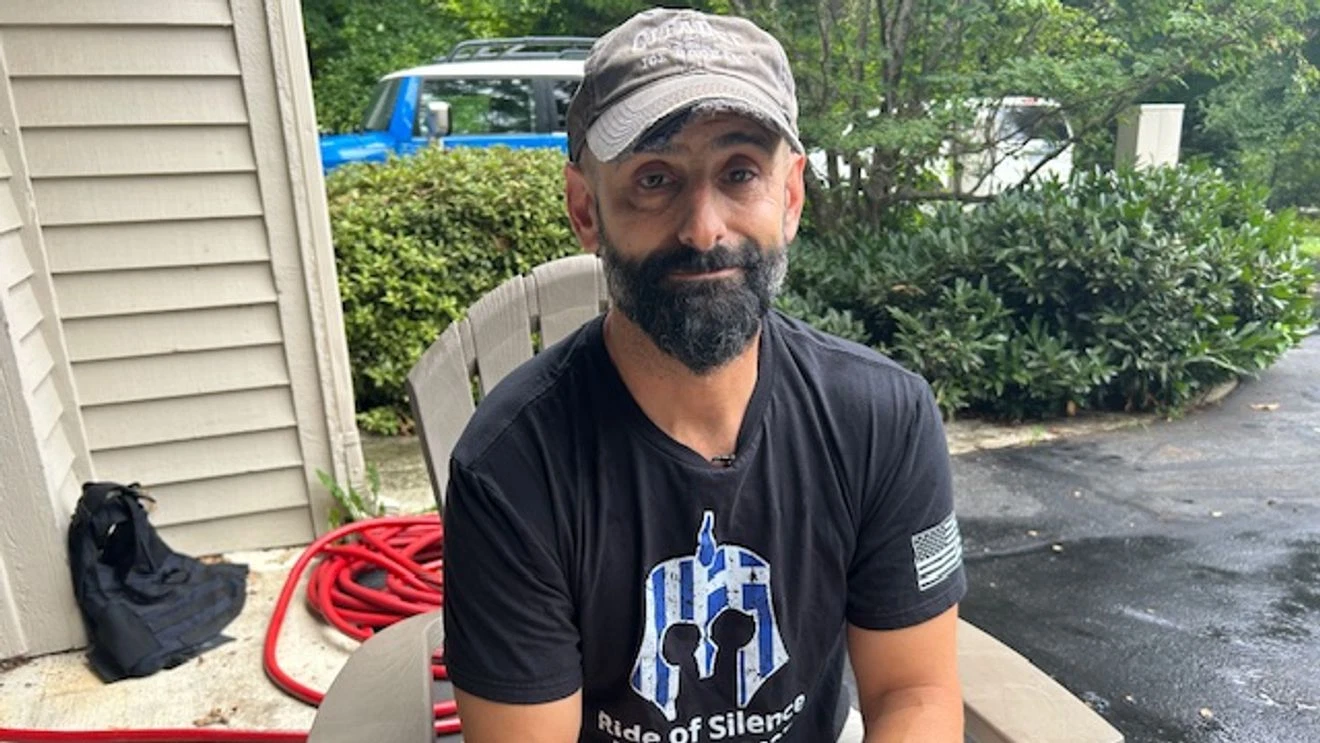
The death of 16-year-old Alexander Rozos on a summer morning in Asheville has now become the subject of a far-reaching civil lawsuit that raises serious questions about corporate responsibility, employee oversight, and road safety for cyclists. Alexander, a promising athlete and avid outdoorsman, was killed on July 18, 2024, while riding his bicycle along Swannanoa River Road, a busy corridor in Buncombe County.
According to police and court filings, he was struck and fatally run over by a delivery truck driven by a Mission Hospital employee who was operating the vehicle as part of his job duties. The driver allegedly left the scene before authorities arrived, leaving Alexander dead at the roadside.
On Dec. 18, Alexander’s father, Michael Rozos, filed a lawsuit in Buncombe County Superior Court against the driver, Mission Hospital, HCA Healthcare, and associated parent companies. The suit alleges negligence, wrongful death, and systemic failures in hiring, supervision, and driver safety practices. Beyond the personal tragedy, the case underscores broader concerns about commercial vehicle operations, accountability for employer-owned vehicles, and protections for cyclists on North Carolina roads.
Details of the Crash and Criminal Investigation
According to an Asheville Police Department incident report, Alexander Rozos was riding his bicycle westbound on Swannanoa River Road at approximately 11:42 a.m. on July 18, 2024. He had passed through the intersection of South Tunnel Road and was continuing along the roadway when a white box truck traveling in the same direction approached from behind. The driver was later identified as Mauricio Roberto Melgar Delgado, 48.
Investigators determined that Delgado overtook Alexander and fatally struck him, running him over with the truck. The collision occurred in daylight conditions, and the roadway was open to traffic. Police reports indicate that Delgado left the scene before officers arrived. Alexander was pronounced dead at the scene.
The truck involved was identified in the lawsuit as a 2019 Kenworth delivery vehicle weighing approximately 20,000 pounds. Court filings state that the vehicle was owned by HCA Healthcare and that Delgado was driving it within the course and scope of his employment with Mission Hospital at the time of the crash. The distinction is central to the civil case, as it forms the basis for claims that the hospital and its parent companies bear legal responsibility for Delgado’s alleged actions.
Read : Qatar’s Captivating Selfie Spots: Top Ten Destinations to Strike a Pose
Following an investigation, Delgado was charged and later indicted on Nov. 4, 2024, in Buncombe County Superior Court on a felony charge of hit and run inflicting serious injury or death. That criminal case is proceeding separately from the civil lawsuit filed by Alexander’s father. As of mid-December, Mission Hospital had not publicly stated whether Delgado remains employed by the organization.
Claims Against Mission Hospital and HCA Healthcare
The lawsuit filed by Michael Rozos goes beyond individual negligence and directly targets Mission Hospital and HCA Healthcare for what it describes as systemic failures that contributed to Alexander’s death. Central to the complaint is the legal doctrine of respondeat superior, which holds employers responsible for the wrongful acts of employees when those acts occur within the scope of employment.
According to the lawsuit, Delgado was acting as an employee and agent of Mission Hospital at the time of the collision. As such, the HCA defendants are alleged to be vicariously liable for his conduct. The complaint states that Delgado’s actions were “negligent, careless, and reckless,” and that his employer is legally responsible for the consequences of those actions.

In addition to vicarious liability, the suit alleges negligent hiring, training, supervision, and retention by Mission Hospital and HCA. It claims the defendants either failed to implement adequate policies to ensure driver safety or failed to enforce existing policies. Specifically, the lawsuit alleges that the hospital system did not properly investigate Delgado’s driving history, did not ensure he possessed the necessary training and qualifications to operate a large commercial vehicle, and did not adequately monitor or supervise his driving conduct.
The complaint further alleges that Mission Hospital and HCA failed to establish or enforce compliance with motor vehicle laws, including those designed to protect cyclists. It claims the companies lacked an effective safety program aimed at protecting the motoring public, particularly vulnerable road users such as bicyclists.
By asserting that the defendants “knew or should have known” that Delgado could not safely operate a company vehicle, the lawsuit seeks to establish that the hospital system’s alleged negligence extended beyond a single incident and reflected broader institutional shortcomings.
Who Alexander Rozos Was and What the Lawsuit Seeks
Alexander Rozos was widely described by family and friends as a disciplined, driven, and exceptionally talented young man. A resident of Asheville’s Haw Creek area, he was an accomplished cyclist, climber, and athlete. His father has said Alexander had been recruited by the military and was on a fast-track path toward the United States Army Special Forces, a rare opportunity reflecting both his physical abilities and personal discipline.
On the morning of his death, Alexander was riding his bicycle to work at a climbing gym, combining his passion for athletics with employment. He was also known for climbing in the region, including at Rumbling Bald near Lake Lure, where he frequently climbed with his father.
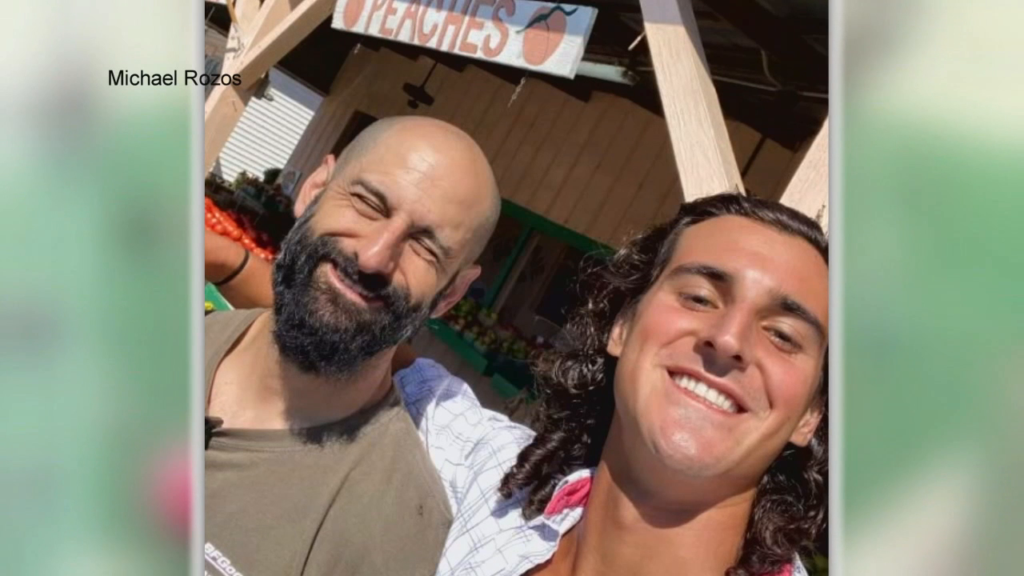
Thomas Killoren Jr., the attorney representing Michael Rozos, described the impact of the loss in stark terms. He stated that Alexander was killed “for absolutely no reason,” emphasizing that the teenager was lawfully riding his bicycle when he was struck by a large delivery vehicle. Killoren said the emotional toll on Alexander’s parents is devastating and argued that such incidents are preventable with proper accountability and safety practices.
The lawsuit alleges that Delgado violated multiple standards of care expected of professional drivers. These include failing to maintain a safe passing distance from a cyclist, following too closely, and failing to reduce speed to avoid a collision. The complaint references North Carolina state law governing the safe passing of bicycles, as well as standards outlined in the North Carolina Commercial Driver’s Manual.
Michael Rozos is seeking a jury trial and monetary damages. The damages sought include compensation for hospital and medical expenses, funeral and burial costs, and non-economic damages such as pain and suffering. While no amount of money can compensate for the loss of a child, the lawsuit aims to hold the defendants legally accountable and to prompt changes that could prevent similar tragedies.
Mission Hospital spokesperson Nancy Lindell did not respond to questions from the Citizen Times regarding Delgado’s employment status or the hospital’s policies on hiring and training drivers. The absence of a public response has drawn attention to the broader issues raised by the case, particularly as it involves one of the region’s largest healthcare providers and employers.
As the criminal case against Delgado moves forward and the civil lawsuit progresses through the courts, the death of Alexander Rozos remains a focal point for discussions about cyclist safety, corporate responsibility, and the obligations of employers whose operations place large commercial vehicles on public roads. The outcome of the case could have implications not only for the Rozos family but also for how healthcare systems and other large organizations manage and oversee employees who drive as part of their jobs.