
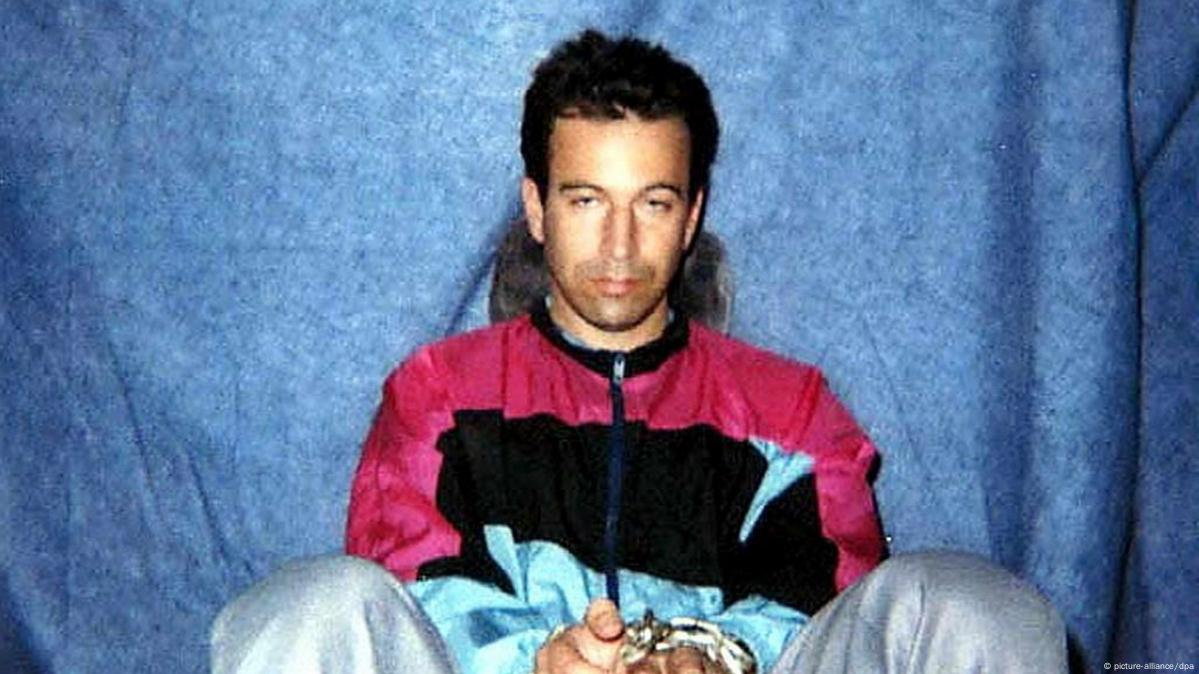
On May 7, 2025, India’s Operation Sindoor struck a decisive blow against terrorism, targeting nine high-value terror camps across Pakistan and Pakistan-occupied Kashmir. Among the neutralised terrorists was Abdul Rauf Azhar, a key figure in the Jaish-e-Mohammed (JeM) outfit and the brother of its founder, Masood Azhar.
This operation not only avenged the April 22 Pahalgam terror attack but also brought long-overdue justice to the family of Daniel Pearl, the American-Jewish journalist brutally murdered in 2002.
Judea Pearl, Daniel’s father, expressed profound gratitude to India for its resolute action against terrorism, particularly for eliminating Abdul Rauf Azhar, whose actions indirectly facilitated his son’s tragic death.
In an exclusive interview with Times Now Group Editor Navika Kumar, Judea Pearl highlighted the significance of India’s strikes and condemned Pakistan’s failure to curb terrorism.
Operation Sindoor: A Precision Strike Against Terror
India’s Operation Sindoor was a meticulously planned military response to escalating terrorist activities, particularly the Pahalgam attack that claimed 26 civilian lives. Launched in the early hours of May 7, the operation involved precision missile strikes on nine terror camps, including the JeM headquarters in Bahawalpur, Pakistan.
Bahawalpur, long identified as a hub for JeM’s operations, housed the Markaz Subhan Allah, a training and indoctrination center linked to major attacks like the 2019 Pulwama bombing. Intelligence reports confirm that the strikes neutralised around a dozen high-value terrorists, with Abdul Rauf Azhar being a primary target.
Abdul Rauf Azhar was no ordinary terrorist. As the operational head of JeM, he orchestrated the 1999 hijacking of Indian Airlines flight IC-814, a pivotal event that led to the release of his brother Masood Azhar and Omar Saeed Sheikh, the latter of whom later kidnapped and murdered Daniel Pearl.
Rauf’s role in facilitating Sheikh’s release made him indirectly responsible for Pearl’s death, a fact that has haunted the Pearl family for over two decades. The destruction of JeM’s Bahawalpur stronghold, which included residences of Masood Azhar’s family members, sent a clear message: India will not tolerate terrorism. The operation also claimed the lives of ten of Masood Azhar’s family members, underscoring the strike’s intensity.
Read : Operation Sindoor: Modi’s Befitting Response to the Pahalgam Attack
Judea Pearl, in his interview, praised India’s resolve, stating, “I am very grateful to India for raising this issue (of terrorism), which has yet to be contained.” He emphasized that Pakistan is “both unable and unwilling” to dismantle terrorist networks within its borders, a sentiment echoed by Indian officials and international observers.

The precision of Operation Sindoor, which targeted only terrorist infrastructure despite Pakistan’s claims of civilian casualties, highlighted India’s commitment to ethical warfare. Foreign Secretary Vikram Misri, in a press briefing, noted that Bahawalpur’s JeM facility was a fitting target given its role in global terrorism, including the Pearl case.
The operation’s success was not just a military triumph but also a symbolic one. Asra Nomani, a former colleague of Daniel Pearl, described the chills she felt upon hearing of the Bahawalpur strike, recalling its deep ties to Pearl’s murder. For the American-Jewish community and others affected by JeM’s actions, Operation Sindoor represented a step toward justice, reinforcing India’s role as a frontline fighter against global terrorism.
Judea Pearl’s Gratitude and Pakistan’s Complicity
Judea Pearl’s emotional response to Operation Sindoor reflects the enduring pain of losing his son and the hope that justice, however delayed, can still be served. Speaking to Times Now, Pearl expressed disappointment with Pakistan’s inability—or unwillingness—to control its terrorist camps.
He remarked, “What can I say? I’m not a military person, and I do not know how to contain them,” highlighting the complexity of tackling terrorism when state actors provide safe havens. Pearl also drew a comparison with Israel, noting it as perhaps the only nation to have effectively contained terrorism to some extent, a nod to the shared challenges faced by nations like India and Israel.
Pearl’s gratitude toward India was palpable, but so was his frustration with Pakistan. He condemned the Pakistan Army’s attendance at the funerals of terrorists killed in the strikes, a public display of support that included coffins draped in Pakistani flags.
In a poignant post on X, Pearl asked, “What exactly are you mourning? What role models do you wish your children to revere?” His words underscored the moral bankruptcy of a system that honors terrorists. Indian envoy Vikram Doraiswami presented photographic evidence of Pakistani military officials alongside Hafiz Abdur Rauf, another JeM figure, at these funerals, further exposing Pakistan’s complicity.
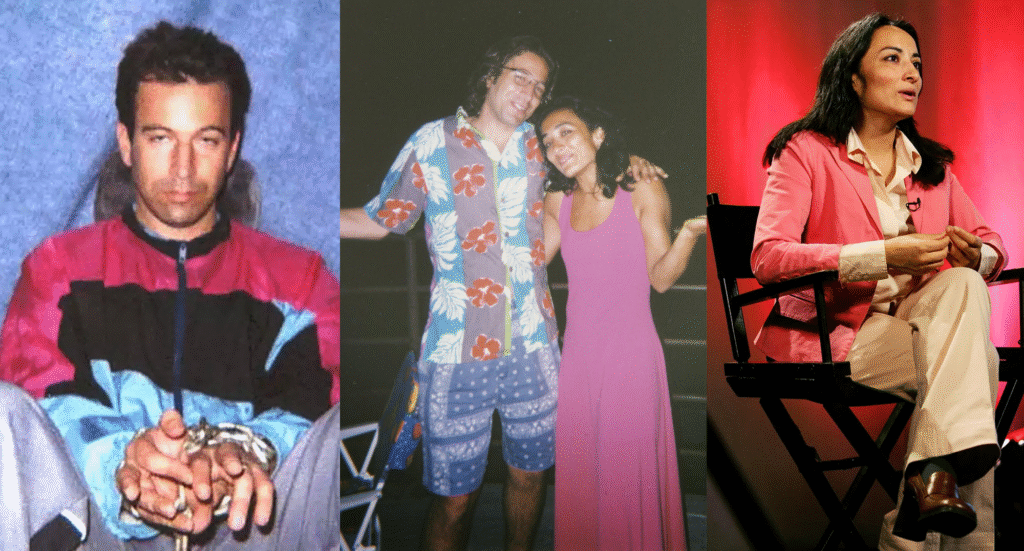
The Daniel Pearl case remains a stark reminder of Pakistan’s role in enabling terrorism. In January 2002, Daniel, a Wall Street Journal journalist, was kidnapped in Karachi while investigating links between terror groups and Pakistan’s Inter-Services Intelligence (ISI).
Lured by Omar Saeed Sheikh under the pretense of an interview with a radical cleric, Pearl was brutally beheaded, with the act recorded and released online. Sheikh, who surrendered to the ISI before turning himself in to the police, was later acquitted by Pakistan’s Supreme Court in 2021, despite international outcry. This decision, coupled with Pakistan’s continued protection of figures like Masood Azhar, fueled perceptions of impunity.
Pearl’s widow, Mariane, noted Sheikh’s “untouchable” status due to his ISI connections, a sentiment echoed by the Committee to Protect Journalists. The release of Sheikh, who orchestrated Pearl’s murder, was a direct consequence of the IC-814 hijacking masterminded by Abdul Rauf Azhar.
By neutralizing Rauf, India addressed a critical link in this chain of terror, earning praise from Pearl’s family and colleagues. American activist Amy Mek, in a post on X, thanked India for delivering justice, stating, “Operation Sindoor struck at the heart of terror, hitting Jaish-e-Mohammed strongholds.”
Global Implications and the Fight Against Terrorism
Operation Sindoor’s success has broader implications for the global fight against terrorism. By targeting JeM’s infrastructure, India disrupted a network responsible for attacks beyond its borders, including the murder of Daniel Pearl.
The operation highlighted the need for international cooperation to address state-sponsored terrorism, particularly in Pakistan, where groups like JeM and Lashkar-e-Taiba operate with apparent impunity. The presence of Pakistani military officials at terrorists’ funerals, as noted by Pearl and Indian officials, raises questions about Islamabad’s commitment to counterterrorism.
The elimination of Abdul Rauf Azhar, designated a terrorist by the US in 2010, marks a significant blow to JeM’s operational capabilities. Rauf’s involvement in high-profile attacks, including the 2001 Indian Parliament attack and the 2016 Pathankot assault, made him a priority target.
His death, along with that of other JeM operatives, weakens the group’s ability to plan and execute future attacks. However, challenges remain, as Masood Azhar, believed to be in protective custody in Pakistan, remains at large. India’s struggles to designate Rauf as a global terrorist, blocked by China’s veto at the UN, underscore the geopolitical hurdles in combating terrorism.
Judea Pearl’s remarks about Israel’s relative success in containing terrorism point to the need for robust, proactive measures. India’s Operation Sindoor exemplifies such an approach, combining intelligence, precision, and political will.

The operation’s fallout, including Pakistan’s retaliatory drone attacks and heightened tensions, underscores the risks of such actions. Yet, India’s resolve, as articulated by External Affairs Minister S. Jaishankar, to confront terrorism as a “shared threat to the international community,” signals a commitment to sustained action.
The American-Jewish community, along with figures like Asra Nomani and Amy Mek, has lauded India’s efforts, reflecting a growing recognition of its role in global counterterrorism.
Nomani’s reflections on Bahawalpur’s significance as a terror hub and Mek’s gratitude for justice in Pearl’s case highlight the operation’s resonance beyond India. The G7’s condemnation of the Pahalgam attack and calls for de-escalation further emphasize the international stakes.
In conclusion, Operation Sindoor was a landmark operation that not only addressed immediate threats but also delivered justice for past atrocities, including the murder of Daniel Pearl. Judea Pearl’s gratitude reflects the personal and global significance of India’s actions.
By targeting Abdul Rauf Azhar and JeM’s infrastructure, India has reaffirmed its zero-tolerance policy toward terrorism, challenging Pakistan’s complicity and inspiring hope for a safer world. As Pearl’s words remind us, the fight against terrorism requires unwavering resolve, a lesson India has embodied through Operation Sindoor.