
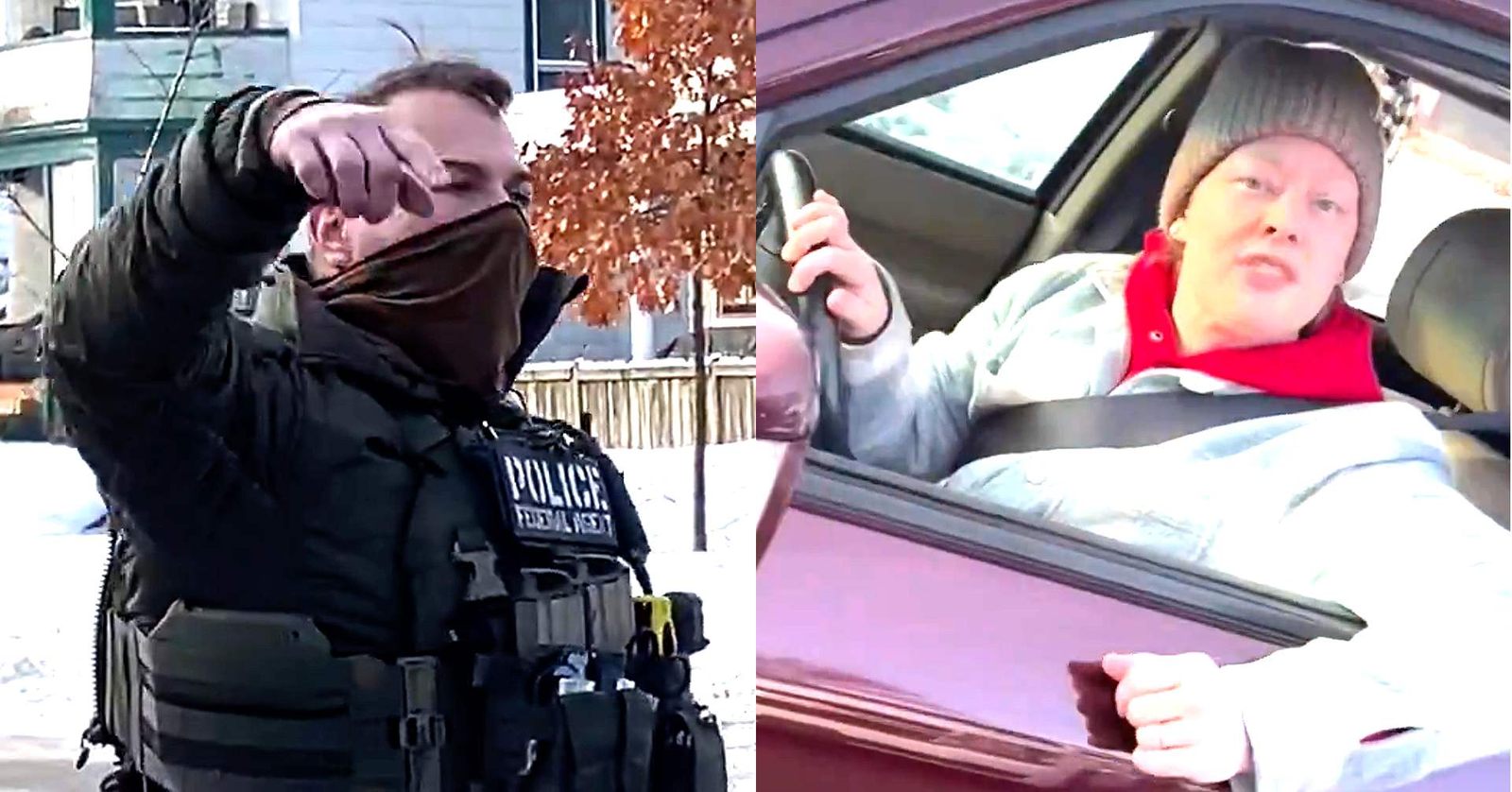
The resignation of Tracee Mergen, the acting supervisor of the FBI’s Public Corruption Squad in the Minneapolis field office, has drawn national attention to internal disputes over how sensitive cases are classified and pursued within federal law enforcement. Mergen stepped down last week, and multiple sources say her departure was connected in part to disagreements surrounding the investigation into the fatal shooting of Renee Good by an Immigration and Customs Enforcement officer earlier this month.
The episode has underscored tensions between career investigators and senior Justice Department leadership over the handling of cases that straddle civil rights enforcement, federal officer protections, and political scrutiny. It also comes at a moment when the Minneapolis FBI office is already under intense pressure because of its role in several high-profile investigations, including probes tied to public benefits fraud and campaign finance activity in Minnesota.
According to sources familiar with Mergen’s resignation, she left the bureau after refusing to comply with pressure from leadership to reclassify or discontinue the investigation into Good’s death as a civil rights matter. One source told CBS News that Mergen would not “bow to pressure,” framing her resignation as a principled stand rather than a routine personnel move.
The FBI has declined to comment on the circumstances of her departure, citing its standard policy against discussing internal personnel matters. Still, the unusual nature of the claims, combined with confirmation from multiple sources and reporting by The New York Times, has raised questions about how decisions are being made inside the bureau when investigations involve politically and legally sensitive actors.
The Good shooting, the subsequent reclassification of the case, and the reported scrutiny of Good’s family have become a flashpoint in debates over federal accountability. At the same time, the Minneapolis field office’s public corruption squad is said to be facing additional demands from senior Justice Department officials related to campaign finance reviews connected to one of the largest pandemic-era fraud cases in the country. Mergen’s resignation has therefore come to symbolize broader strains within federal law enforcement, where competing priorities and interpretations of the law can collide.
Resignation Amid Dispute Over Case Classification
Tracee Mergen served as the acting supervisor of the FBI’s Public Corruption Squad in Minneapolis, a unit that also handles civil rights investigations. That dual mandate placed her at the center of the bureau’s initial response to the fatal shooting of Renee Good, which was first treated as a potential civil rights case. Civil rights investigations typically focus on whether law enforcement officers or other officials violated an individual’s constitutional rights, often examining use-of-force decisions, intent, and compliance with federal standards.
Sources with direct knowledge of Mergen’s departure have said that she faced pressure from leadership to reclassify or discontinue the civil rights inquiry into the shooting. One source characterized her resignation as occurring “in part due to the pressure on her to reclassify/discontinue the (Good) investigation.” Another FBI source described Mergen as unwilling to comply with directives she believed were inconsistent with the facts or with proper investigative procedure.
These accounts suggest that the dispute was not merely administrative but went to the core of how the case should be understood under federal law. The FBI, through spokesman Ben Williamson, has declined to address the specifics of Mergen’s resignation. Williamson said the bureau does not comment on personnel matters, a stance that is consistent with long-standing FBI practice.
NYT is reporting that Tracee Mergen, a supervisor in the FBI Minnesota Field office, quit over DOJ orders to drop her civil rights inquiry into the ICE officer who shot and killed Renee Good.
— Julie Kelly 🇺🇸 (@julie_kelly2) January 24, 2026
But a big part of Mergen's resume was omitted in the article: her deep involvement in… pic.twitter.com/2fEsHUDGii
However, he did provide a statement regarding the investigation into the Good shooting itself, saying that “the facts on the ground do not support a civil rights investigation” and that the FBI continues to investigate the incident along with “violent criminal actors and those perpetrating illegal activity.” That statement reflects the bureau’s current official position but does not address why the case was initially classified differently or why internal disagreement reportedly arose.
Mergen has not publicly commented on her resignation, and efforts by CBS News to reach her have been unsuccessful. In the absence of a public statement from her, the accounts from sources familiar with the situation have taken on greater significance. They portray a veteran supervisor who believed the civil rights inquiry should proceed and who ultimately chose to leave the bureau rather than alter the course of the investigation under pressure.
Shift in Justice Department Approach to the Good Shooting
The fatal shooting of Renee Good by an ICE officer quickly became the subject of federal scrutiny. Initially, the matter was treated as a civil rights investigation, placing it within the jurisdiction of the FBI’s public corruption and civil rights units. That classification suggested that investigators were examining whether the ICE officer’s actions violated federal civil rights statutes, a step that often signals heightened concern about the legality of law enforcement conduct.
According to CBS News, Justice Department leadership later ordered a significant change in how the case was handled. The FBI and prosecutors were instructed to treat the incident as an assault on a federal officer rather than as a potential civil rights violation. In addition, investigators were directed to examine the actions of Good’s wife, a move that further shifted the focus away from the officer’s conduct and toward the circumstances surrounding the encounter.
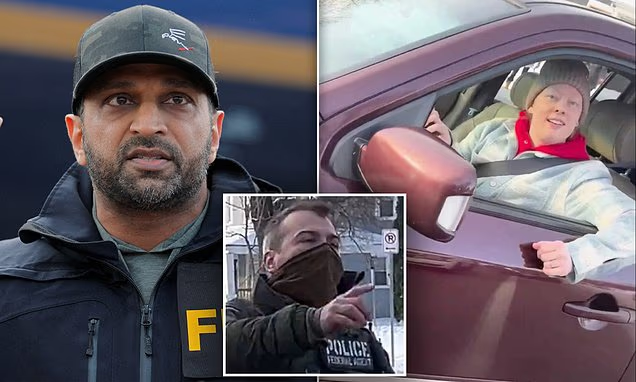
This reorientation had substantial legal and symbolic implications. An investigation framed as an assault on a federal officer emphasizes the protection of federal personnel and typically centers on whether an individual posed a threat or engaged in criminal conduct against an officer. By contrast, a civil rights investigation prioritizes scrutiny of the officer’s actions and decision-making. The decision to change course therefore altered both the narrative and the legal standards applied to the case.
FBI officials have defended the shift by stating that the available evidence does not support a civil rights inquiry. Williamson’s statement that the facts do not justify such an investigation reflects that position. However, the reported internal disagreement suggests that not all investigators involved initially reached the same conclusion. The departure of a senior supervisor under these circumstances has fueled speculation about whether investigative independence was compromised, even as the Justice Department maintains that its decisions were grounded in the evidence.
The handling of the Good case has also highlighted the complex relationship between the FBI and the Justice Department. While the FBI conducts investigations, prosecutors and senior department officials ultimately guide charging decisions and case strategy. Disputes over classification are not unheard of, but they rarely become public, and even more rarely are they followed by the resignation of a senior FBI supervisor. That sequence has drawn attention to how such decisions are made and to the pressures that can arise when politically sensitive cases intersect with law enforcement priorities.
Broader Pressures on the Minneapolis FBI Office
The controversy surrounding the Good investigation is unfolding against a backdrop of broader scrutiny facing the Minneapolis FBI field office. According to a source with direct knowledge of internal discussions, the public corruption squad is also under pressure from the office of Deputy Attorney General Todd Blanche to investigate campaign finance contributions connected to Feeding Our Future, a Minnesota nonprofit at the center of what prosecutors have described as the nation’s largest COVID-era public benefits fraud scheme.

The Feeding Our Future case has already resulted in extensive investigations and prosecutions related to the alleged misuse of federal funds intended to provide meals to children during the pandemic. The additional focus on campaign finance contributions reflects concerns about whether any of the illicit funds may have been used to influence political campaigns or public officials. Such inquiries fall squarely within the remit of the public corruption squad, adding to its workload and sensitivity.
Sources say FBI officials informed Blanche’s office that they had reviewed relevant campaign contributions but had not uncovered evidence linking the benefits fraud to illegal campaign finance activity. Despite that assessment, the reported pressure to continue examining the issue has contributed to a sense of strain within the squad. Mergen’s unit, already handling complex civil rights and corruption cases, found itself navigating competing demands from different levels of the Justice Department.
Mergen’s resignation has therefore been interpreted by some observers as emblematic of a larger challenge facing federal investigators: balancing independence and adherence to evidence with directives from leadership in cases that carry political and public significance. The Minneapolis office’s experience illustrates how high-profile investigations can generate overlapping expectations, sometimes placing supervisors and agents in difficult positions.
As the FBI continues its investigation into the Renee Good shooting under its current framework, and as scrutiny of public benefits fraud in Minnesota proceeds, questions remain about how internal disagreements are resolved and what protections exist for investigators who dissent from leadership decisions. Mergen’s departure has brought those issues into sharper focus, even as the bureau and the Justice Department maintain that their actions are consistent with the facts and the law.