
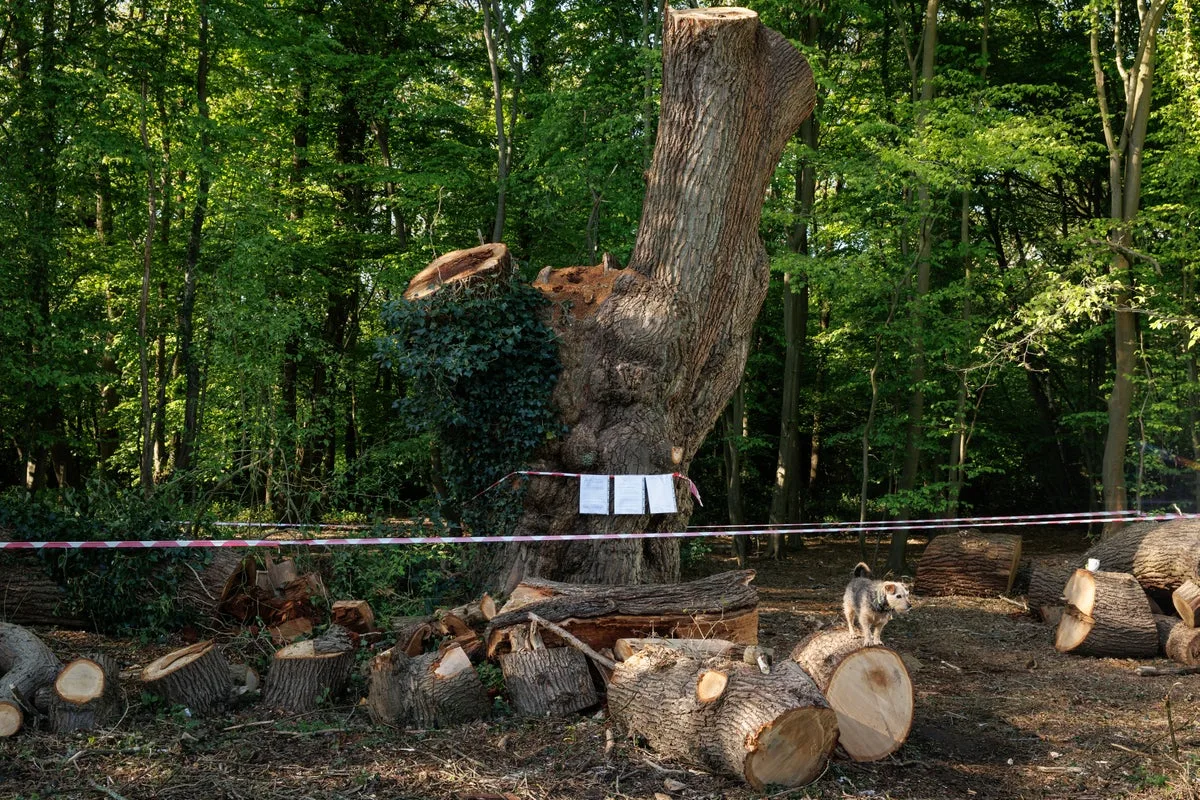
The eviction proceedings initiated by Enfield Council against Mitchells & Butlers Retail (M&B), the owner of the Toby Carvery chain, mark a rare and serious escalation in disputes between local authorities and commercial leaseholders over environmental stewardship. At the centre of the controversy is the partial felling of a 500-year-old oak tree at Whitewebbs Park in north London, an act that has provoked widespread public anger and raised pressing questions about corporate responsibility, heritage protection, and the limits of commercial activity on publicly owned land.
The ancient oak, often referred to locally as the Whitewebbs oak or the Guy Fawkes oak, was not merely a tree but a living landmark embedded in the cultural and ecological history of Enfield. Its damage has become symbolic of broader tensions between development, business operations, and the preservation of irreplaceable natural assets.
The dispute has now moved beyond public condemnation into the legal arena, with the council seeking forfeiture of M&B’s lease at the Whitewebbs Park site. The case is expected to reach court later this year or early next year and could set an important precedent for how councils enforce environmental protections through lease agreements. As investigations continue and demands for accountability intensify, the incident has drawn national attention, highlighting the legal, ethical, and environmental stakes involved when ancient natural heritage is harmed.
The Whitewebbs Oak and the Breach of Lease
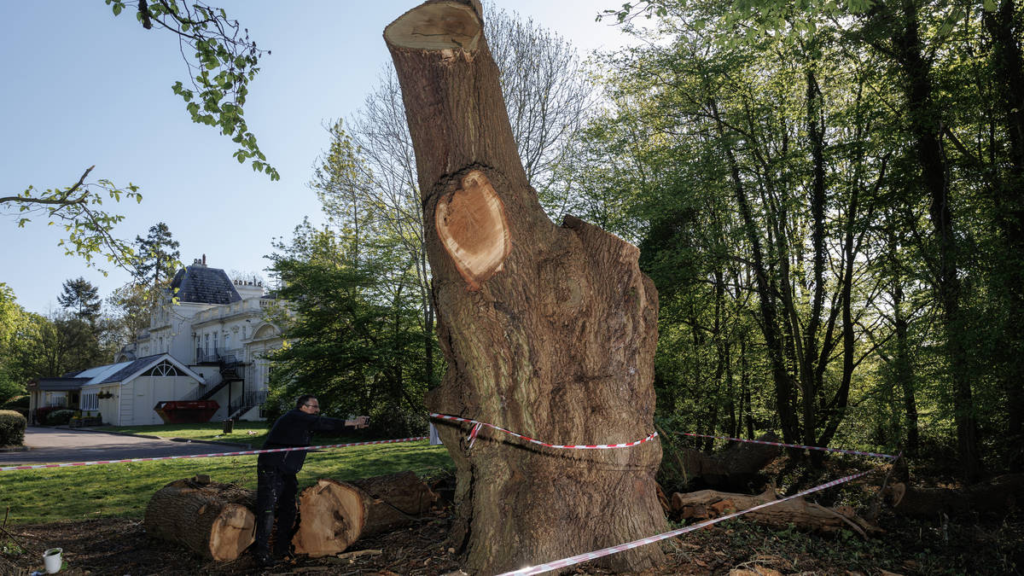
The oak tree at the heart of the controversy stood on the edge of a car park used by a Toby Carvery restaurant operating within Whitewebbs Park, land owned by Enfield Council and leased to Mitchells & Butlers. Estimated to be around 500 years old, the tree was considered an ancient oak, a classification that places it among the most ecologically valuable and legally sensitive trees in the United Kingdom. Such trees support complex ecosystems, hosting hundreds of species of insects, fungi, birds, and mammals, while also serving as historical witnesses to centuries of local and national history.
In April last year, the tree was partially felled using a chainsaw, an action carried out without the knowledge or consent of Enfield Council. According to the council, this constituted a clear breach of the lease governing the site, which requires the tenant to seek permission before undertaking significant alterations or works, particularly those affecting protected or heritage features. The council maintains that the damage caused was severe, significantly reducing the tree’s expected lifespan and compromising its long-term survival.
The public reaction was swift and intense. Images of the damaged oak circulated widely, prompting outrage among local residents, environmental groups, and conservation organisations. The Woodland Trust, which had documented the tree prior to the felling, described the act as deeply distressing, noting that ancient trees are irreplaceable and cannot simply be replanted or recreated once lost.
The incident resonated beyond Enfield, becoming part of a wider national conversation about the protection of ancient trees amid ongoing pressures from development and commercial land use. Enfield Council’s deputy leader, Tim Leaver, characterised the felling as a reckless act that shocked and angered the community. He emphasised that the oak was an integral part of Enfield’s natural heritage and that its destruction represented not just physical damage but a cultural loss.
'It makes me incredibly, incredibly sad but most of all it makes me really, really angry'
— BBC Breakfast (@BBCBreakfast) April 16, 2025
Sara Lom from The Tree Council spoke to #BBCBreakfast after pub chain Toby Carvery ordered the cutting down of an ancient oak on health and safety grounds after it was told the tree was… pic.twitter.com/lOjCnVmQ7q
The council subsequently issued a formal section 146 notice to Mitchells & Butlers, a legal step required before seeking forfeiture of a lease for breach of its terms. When the company failed to apologise, offer compensation, or meaningfully engage with the council, legal proceedings were initiated at Edmonton county court in November, setting the stage for a high-profile legal confrontation.
Eviction Proceedings and Calls for Accountability
The pursuit of eviction represents one of the most severe enforcement actions available to a local authority in a lease dispute, underlining the seriousness with which Enfield Council views the incident. Forfeiture of the lease would effectively remove Mitchells & Butlers from the site, an outcome that would have significant commercial implications for the company and operational consequences for the Toby Carvery restaurant at Whitewebbs Park.
Read : Patricia Shields Sues Grand Oak Apartments After Losing Two Toes to Spider Bites
Central to the council’s case is the assertion that M&B has failed to take responsibility for the damage caused. According to council statements, the company has neither issued a public apology nor offered financial reparations for the harm done to the ancient oak. This lack of engagement has been cited as a key factor in the decision to escalate the matter to court. The council is seeking not only accountability for the unauthorised felling but also compensation for the costs it has incurred in responding to the incident, including legal expenses and expert assessments.
Beyond the immediate legal dispute, the case raises broader questions about corporate accountability when operating on publicly owned land. Lease agreements often include clauses designed to protect environmental and heritage assets, but enforcement can be challenging, particularly when breaches involve irreversible damage. By pursuing forfeiture, Enfield Council appears intent on demonstrating that such clauses carry real consequences and that commercial tenants are expected to uphold their obligations with respect to environmental stewardship.
The incident has also attracted scrutiny from national bodies. The Forestry Commission is conducting an investigation into the unauthorised felling, with its findings expected to be published in the coming weeks. Depending on the outcome, M&B could face additional penalties or enforcement actions under forestry and environmental regulations. Such investigations typically assess whether felling licences were required, whether protected species were affected, and whether any criminal offences were committed.
Public pressure has further intensified calls for accountability. Environmental campaigners and local residents have argued that an apology and compensation should be the minimum response, stressing that the loss inflicted cannot be fully remedied through financial means alone. The oak’s partial felling has become a focal point for wider concerns about how ancient trees are valued and protected in practice, particularly when commercial interests are involved.
Restoration Efforts, Public Response, and Wider Implications
In the aftermath of the felling, attention has turned to the possibility, however slim, of saving what remains of the Whitewebbs oak. Signs of regrowth from the stump have prompted experts to consider a so-called “life support” scheme designed to stabilise the tree and give it a chance of survival. Such schemes typically involve installing irrigation systems, monitoring soil conditions, and managing surrounding land use to reduce stress on the damaged tree. The estimated cost of this intervention is around £10,000, and even then, there is no guarantee that the oak can be saved.
Mitchells & Butlers has been urged to cover these costs as part of its reparations, but the scheme cannot proceed without the company’s cooperation, as it would require the installation of equipment on the leased site. In a notable development, Michael O’Shea, managing director of Wicked Uncle Toys, has publicly offered to fund the restoration work if experts believe the tree is salvageable. His offer has been widely welcomed as an example of corporate citizenship, contrasting sharply with the response attributed to M&B.

The willingness of a third party to step in has underscored the depth of public feeling surrounding the incident. For many, the oak’s fate has become a test case for how society responds when irreplaceable natural heritage is damaged. The episode has also highlighted the role that private companies can play, for better or worse, in safeguarding or endangering such assets.
More broadly, the case has implications for how local authorities manage and enforce environmental protections on leased land. As councils increasingly rely on commercial leases to generate revenue from public assets, tensions can arise between economic use and conservation responsibilities. The Whitewebbs oak dispute illustrates the importance of clear lease terms, robust oversight, and swift enforcement when breaches occur. It also suggests that reputational risk can be as significant as legal or financial consequences for companies perceived to have acted irresponsibly.
For Mitchells & Butlers, the outcome of the eviction proceedings and related investigations could have lasting repercussions. Beyond the potential loss of a site, the case may influence how the company and others in the hospitality sector approach environmental due diligence and stakeholder engagement in the future. Ancient trees, once damaged, cannot be replaced, and the public reaction to their loss can be fierce and enduring.
As the legal process unfolds, the Whitewebbs oak remains a powerful symbol of the stakes involved. Whether the tree ultimately survives or not, the controversy has already left a lasting mark on Enfield and has contributed to a wider national conversation about protecting ancient natural heritage in the face of modern commercial pressures.