

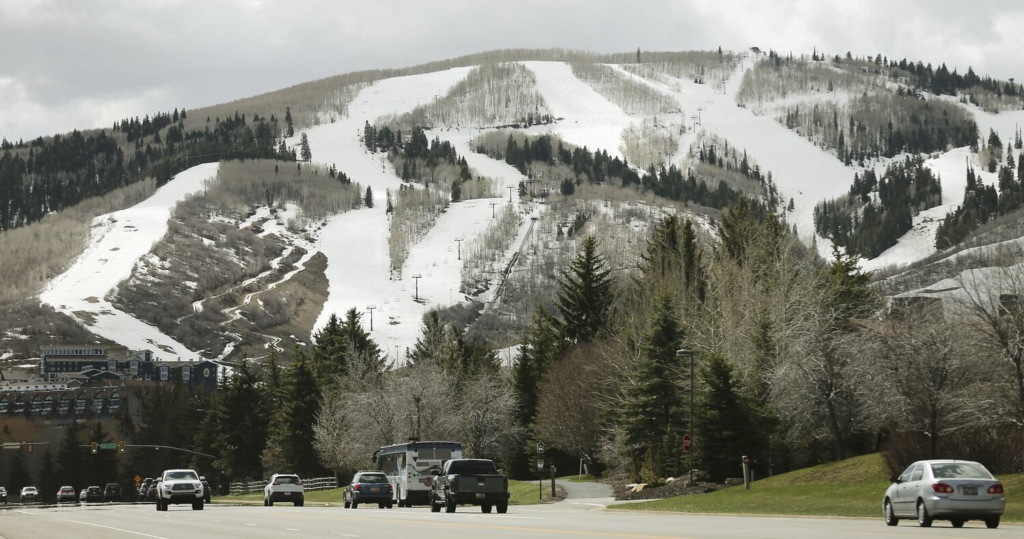
A 61-year-old woman visiting from Florida died following a ski accident at Park City Mountain’s Canyons Village, underscoring the inherent risks that can exist even on well-traveled, intermediate terrain at major resorts. The incident occurred Tuesday while the Female Skier skiing near the Dreamscape Lift, an area frequented by recreational skiers during peak season. Despite a rapid emergency response and air evacuation to a regional trauma facility, the woman succumbed to her injuries. Resort officials confirmed her death later that day, and authorities have not released her name.
Park City Mountain, one of the largest ski resorts in the United States, attracts visitors from across the country and around the world, many of whom travel long distances to experience its extensive terrain and modern lift infrastructure. The resort is known for a broad range of runs designed to accommodate skiers of varying abilities, from beginners to advanced athletes. Incidents resulting in fatalities are relatively rare, but when they occur, they often prompt renewed attention to mountain safety procedures, emergency response coordination, and the unpredictable nature of alpine sports.
According to officials, the woman was skiing on an intermediate trail when the accident occurred. Ski patrol was dispatched after the resort received reports of a serious incident. Emergency protocols were activated immediately, including coordination with local fire and medical services and arrangements for an airlift to a nearby hospital. Despite these measures, the woman was later pronounced dead, and the circumstances surrounding the crash remain limited to the details released by the resort.
Details of the Incident Near the Dreamscape Lift
The accident took place on an intermediate trail near the Dreamscape Lift at Park City Mountain’s Canyons Village. Intermediate runs, often marked with blue symbols at U.S. ski resorts, are generally intended for skiers who have moved beyond beginner slopes but do not require advanced technical skills. These trails are typically groomed and designed to offer a balance of challenge and accessibility, making them popular among recreational skiers and visitors who may ski only occasionally.
Resort officials said the woman was skiing in this area when the incident occurred. The nature of the accident has not been publicly detailed, and no information has been released regarding weather conditions, trail congestion, or whether other skiers were involved. Such details are often withheld in the immediate aftermath of a fatal incident, particularly when no criminal investigation is underway and the focus remains on notifying family members and managing internal reviews.
Park City Mountain ski patrol responded after receiving notice of what officials described as a “serious incident.” Ski patrol teams are trained to provide rapid medical assessment and stabilization on the mountain, often operating in challenging terrain and weather conditions. In this case, the severity of the woman’s injuries prompted the decision to request a medical helicopter for evacuation, a step typically reserved for critical situations where rapid transport to a trauma center is deemed necessary.
Read : Skier Triggers Avalanche Outside Lake Louise Ski Area Boundary in Banff National Park
The Park City Fire District was placed on standby off-site in case complications arose during the helicopter operation. Officials later said fire crews were not dispatched, indicating that the air evacuation proceeded without incident. The woman was flown to the University of Utah Hospital in Salt Lake City, a facility equipped to handle complex trauma cases. She was pronounced dead after arrival.
Read : Top Ten Most Downloaded Apps from the Google Play Store
The woman’s identity has not been released, a common practice in cases involving fatalities until next of kin have been fully notified and privacy considerations addressed. Resort officials confirmed that she was visiting from Florida, highlighting the national draw of Park City Mountain and the diversity of its visitors during the ski season.
Emergency Response and Resort Safety Protocols
Park City Mountain officials emphasized that established emergency response procedures were followed after the incident was reported. Ski patrol teams are stationed throughout the resort and are trained to reach accident sites quickly, assess injuries, and coordinate additional medical resources when necessary. In situations involving life-threatening injuries, patrol leaders may request helicopter transport to reduce the time required to reach advanced medical care.
The decision to use a medical helicopter reflects the seriousness of the woman’s condition at the scene. Air evacuations from ski resorts require careful coordination among patrol teams, aviation crews, and local emergency services. Landing zones must be secured, weather conditions assessed, and patient stabilization completed before transport can occur. The fact that the Park City Fire District was staged off-site suggests that contingency planning was in place should ground-based assistance have been required.
In a statement released after the woman’s death, Deirdra Walsh, vice president and chief operating officer of Park City Mountain, expressed condolences on behalf of the resort. “On behalf of the Park City Mountain team, we share our heartfelt condolences with the family and friends of our guest,” Walsh said. The statement did not include additional details about the incident, consistent with the resort’s approach to limiting public comment while respecting the privacy of those involved.
Major ski resorts typically conduct internal reviews following serious incidents to assess response times, communication procedures, and adherence to safety protocols. These reviews are generally not public but are used to identify any areas for improvement in emergency operations. In cases where no mechanical failure or external factor is suspected, such incidents are often classified as tragic accidents rather than systemic failures.
Park City Mountain operates under industry standards established by organizations such as the National Ski Areas Association, which provides guidance on safety signage, trail marking, patrol training, and emergency preparedness. While these measures aim to reduce risk, resort officials and safety experts consistently note that skiing remains an activity with inherent dangers, even when protocols are followed and conditions appear favorable.
Context of Skiing Risks and Visitor Awareness
The death of a visiting skier on an intermediate trail highlights the complex risk profile of alpine sports. While advanced terrain is often associated with higher danger, many accidents occur on intermediate runs due to higher traffic volumes and a wide range of skill levels among skiers using the same slopes. Visitors who ski infrequently may overestimate their abilities or underestimate changing conditions, while experienced skiers may travel at higher speeds on familiar terrain.
Read : Female Skier Mauled by Snow Leopard After Approaching It to Take a Photo
Park City Mountain’s Canyons Village area is a central hub within the resort, featuring multiple lifts, dining options, and access to a variety of trails. Its popularity can lead to crowded conditions during peak hours, particularly when visitors from out of state are present during holidays or favorable weather windows. Although no information has been released to suggest congestion played a role in this incident, the setting underscores the diverse factors that can influence safety on the mountain.

Resorts typically encourage guests to ski within their abilities, observe posted signage, and remain aware of other skiers and changing conditions. Trail designations are intended as general guidance rather than guarantees of safety, and conditions on a given run can vary throughout the day due to weather, grooming schedules, and skier traffic. Even on groomed intermediate trails, variables such as icy patches, uneven snow, or sudden obstacles can increase the likelihood of a fall.
The woman’s death also draws attention to the demographic diversity of modern ski visitors. Ski resorts increasingly cater to older adults and first-time or occasional skiers who may not have the same physical conditioning or reflexes as younger, more frequent participants. While age alone does not determine risk, factors such as reaction time, endurance, and recovery from injury can influence outcomes when accidents occur.
In the aftermath of fatal incidents, resorts often see renewed emphasis on safety messaging and guest education. This can include reminders about helmet use, adherence to the skier responsibility code, and the importance of taking lessons or warming up before tackling more challenging terrain. Such measures are intended to reinforce awareness rather than assign blame, particularly when investigations do not reveal negligence or equipment failure.
As of now, no additional details have been released about the circumstances of the accident, and authorities have not indicated that further information will be made public. The focus remains on respecting the privacy of the woman’s family and acknowledging the loss of a guest at one of the country’s most prominent ski destinations.