

A 50-year-old man’s impulsive act of hugging German Chancellor Olaf Scholz on the tarmac of Frankfurt Airport has led to a €4,500 fine and a two-and-a-half-year driving ban. The incident, which occurred in May 2023, exposed critical security vulnerabilities and raised concerns about the safety of public officials in Germany.
Under the influence of cocaine after days without sleep, the man infiltrated Scholz’s motorcade, shook his hand, and embraced him before being detained. This case, resolved in a Frankfurt District Court ruling, underscores broader issues of political security and public behavior amid a tense political climate.
A Shocking Security Breach
The incident unfolded on May 24, 2023, as German Chancellor Olaf Scholz prepared to board a government plane at Frankfurt Airport following an event celebrating the European Central Bank’s 25th anniversary.
The defendant, driving a dark Audi, inadvertently joined Scholz’s VIP motorcade on a public highway, following the convoy through multiple security checkpoints onto the airport tarmac.
In a disoriented state, he parked near official vehicles, approached Olaf Scholz, shook his hand, and hugged him before federal police intervened. The man, who had consumed cocaine repeatedly and not slept for two days, later claimed he thought he was joining others in greeting the chancellor warmly.
In court, the man’s lawyer argued he had mimicked the behavior of those around Olaf Scholz, unaware of his unauthorized presence. Expressing remorse, the defendant described the encounter as “bittersweet” and vowed to change his ways.
Read : German Tourist Arrested for Climbing Temple of Kukulcan in Mexico
The court found him only partially culpable due to his intoxication, convicting him of driving under the influence of narcotics and trespassing in a restricted area.
Read : India Surpasses China as the Largest Source of International Students in Germany
Prosecutor Christian Lang clarified that the ruling focused primarily on traffic violations, with the hug itself being a secondary factor. Scholz’s spokesperson, Wolfgang Büchner, noted the chancellor felt unthreatened, but the breach triggered an immediate review of security protocols to address how an unauthorized vehicle bypassed multiple safeguards.
Legal Outcome and Political Context
The Frankfurt District Court’s decision, handed down after a thorough investigation, imposed a €4,500 fine—equivalent to $5,100—and a two-and-a-half-year driving ban. These penalties reflected the seriousness of endangering road safety and accessing a restricted airport zone, actions that compromised the security of Germany’s highest-ranking official.
The man’s identity was protected under German privacy laws, but the case drew significant attention due to its implications for protecting public figures.
The incident prompted authorities to scrutinize motorcade procedures and airport access, especially as Olaf Scholz’s term as chancellor nears its end, with Friedrich Merz poised to assume the role on May 6, 2025, pending coalition approval.
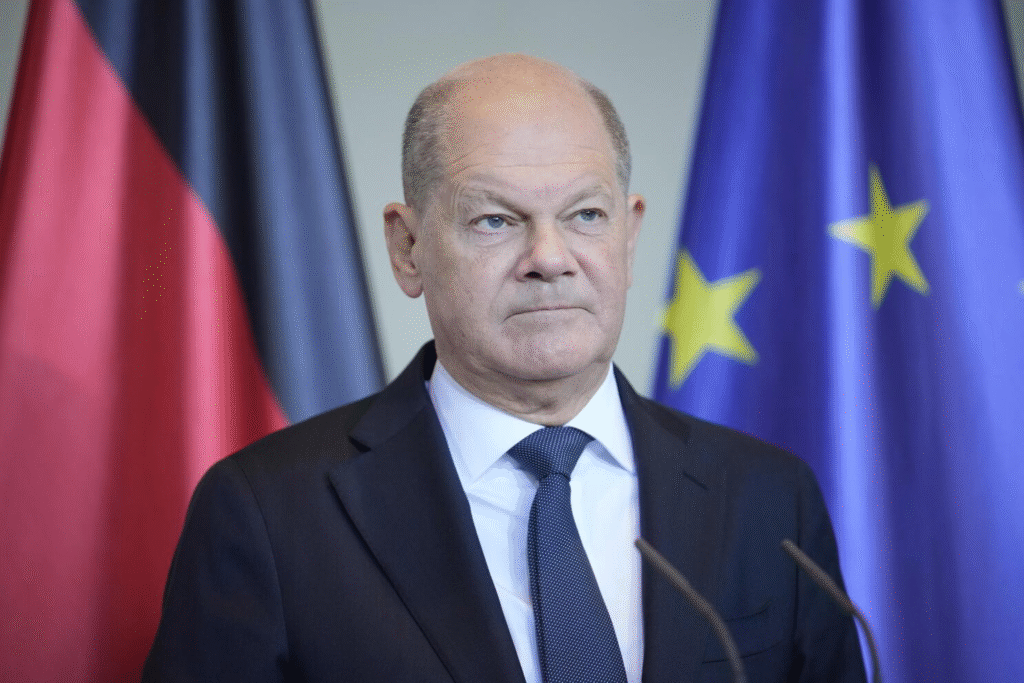
This breach occurs against a backdrop of increasing hostility toward German politicians. In 2024, Berlin’s economy minister Franziska Giffey was attacked at a library event, and European Parliament member Matthias Ecke was assaulted by teenagers while campaigning.
Green Party politician Yvonne Mosler endured verbal abuse and physical harassment in public. These incidents have heightened concerns about the safety of elected officials, particularly as Germany navigates political transitions.
The Frankfurt case, though lacking violent intent, highlighted vulnerabilities in security measures, raising questions about how to protect leaders while preserving the openness of democratic engagement.
Systemic Reforms and Public Reaction
The hug at Frankfurt Airport, while bizarre, exposed weaknesses that embarrassed federal police and prompted swift action. Reports indicated that Olaf Scholz’s bodyguards only recognized the breach after the embrace, leading to a chase to detain the man.
This failure to intercept an unauthorized vehicle at multiple checkpoints led to an overhaul of security training and protocols. Authorities implemented stricter vehicle screening and checkpoint verification to prevent similar lapses, particularly at high-security locations like airports.
The incident also fueled discussions about the adequacy of current measures to protect politicians in an era of rising public aggression. Public responses varied, with some dismissing the event as a harmless mistake by an impaired individual, while others saw it as a serious warning.
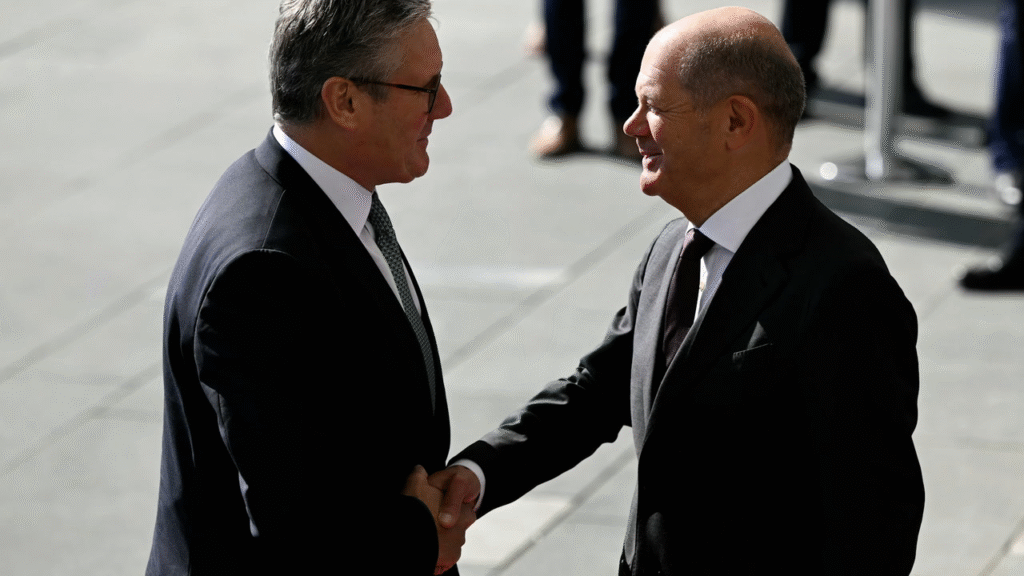
Olaf Scholz’s relaxed reaction, describing public greetings as routine, contrasted with the alarm expressed by security experts. The defendant’s cocaine use and sleep deprivation became focal points, underscoring the dangers of impaired driving and its potential to escalate minor errors into significant breaches.
Advocacy groups called for stronger public awareness campaigns about substance abuse, emphasizing how such behavior can lead to unintended but severe consequences. The case has also contributed to broader debates about balancing accessibility with safety in Germany’s political system.
With political hostility on the rise, authorities face pressure to enhance protections without isolating leaders from the public. The incident serves as a reminder of the need for vigilance, especially as Germany prepares for new leadership and navigates a polarized political landscape.
Looking Ahead with Lessons Learned
As Germany reflects on this unusual case, the focus remains on preventing future security breaches and addressing the underlying factors that enabled it. The court’s ruling sends a clear message about the consequences of trespassing and driving under the influence, particularly in sensitive contexts.
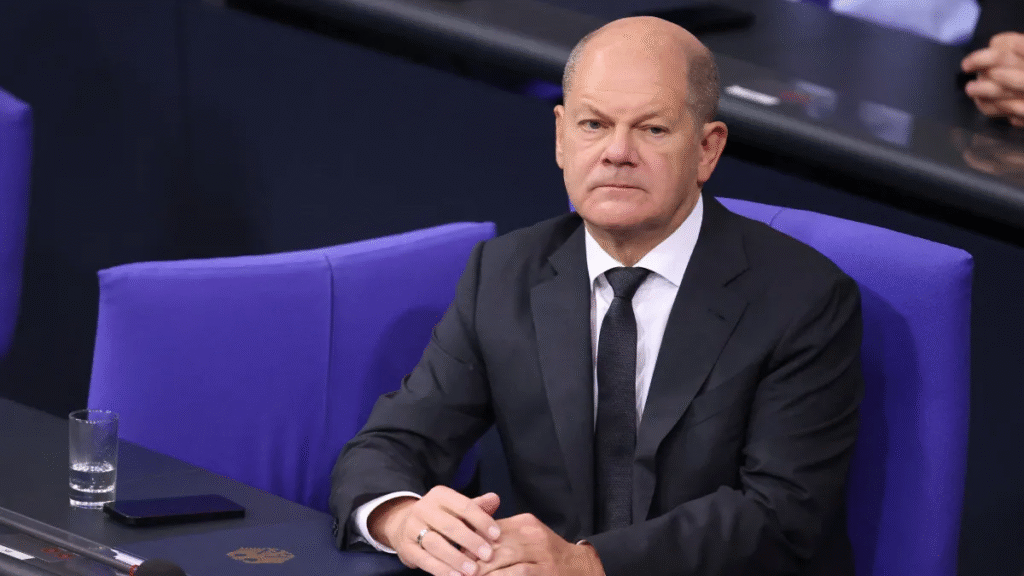
The fine and driving ban aim to deter similar behavior, while the incident has spurred systemic improvements in security practices. Federal police have committed to ongoing training and technology upgrades to ensure robust protection for public officials.
For the public, the case highlights the ripple effects of personal choices, such as substance use, on public safety. Community leaders are advocating for education initiatives to address drug-related impairments, hoping to reduce the likelihood of such incidents.
Meanwhile, the incident has left a mark on Germany’s political consciousness, prompting citizens to consider the delicate balance between democratic openness and the need for secure governance.
The Frankfurt Airport hug, though resolved with a fine, carries lasting implications. It underscores the importance of accountability, both for individuals and the systems designed to protect leaders. As Germany moves forward, the lessons from this breach will shape efforts to safeguard its democratic institutions while fostering a culture of responsibility and respect.