
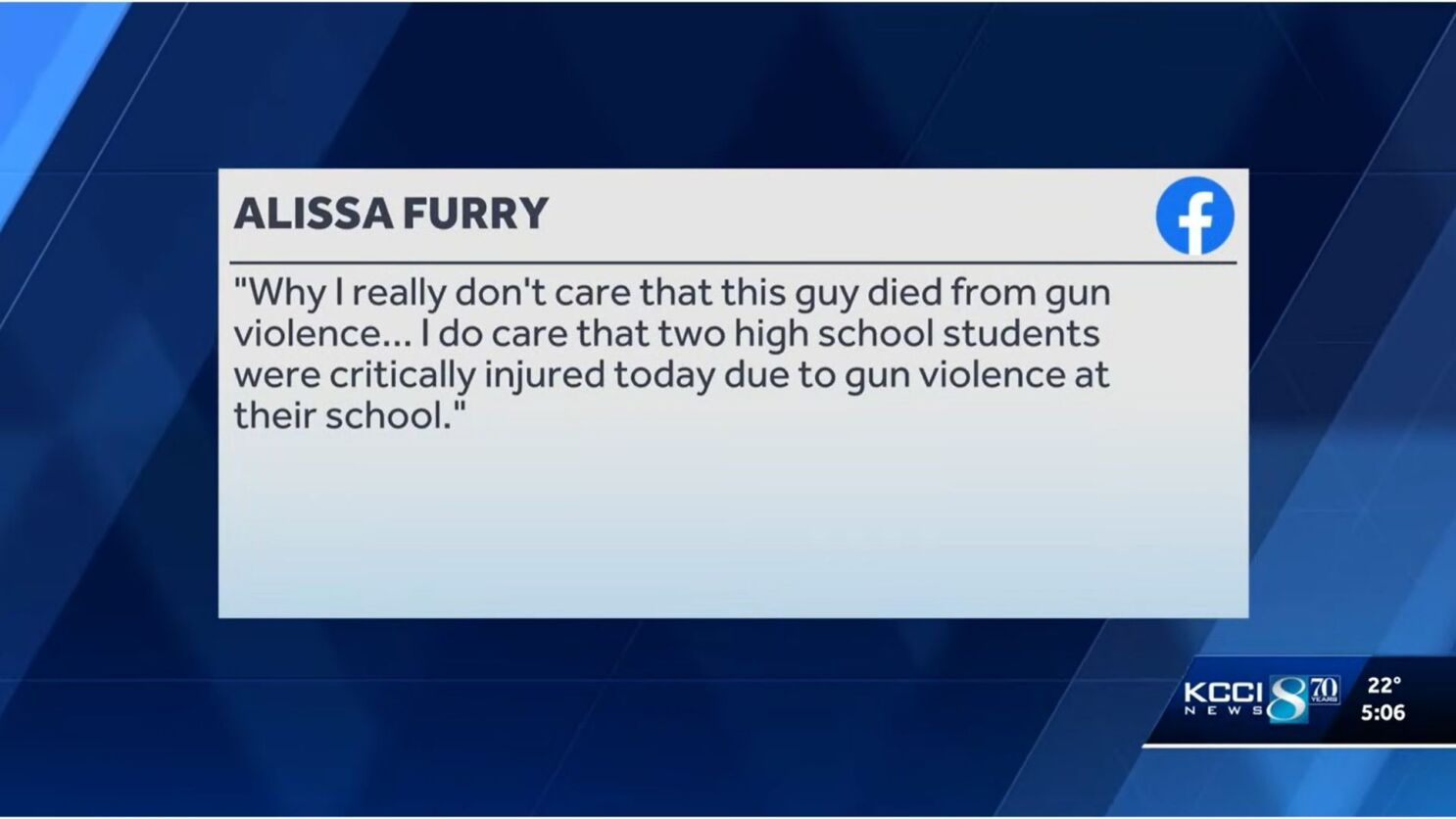
Alissa Furry, a former Polk City firefighter and paramedic, has filed a federal lawsuit alleging that her termination violated her First Amendment rights. The case arises from a series of social media posts she made while off duty in September 2025, following the fatal shooting of conservative activist Charlie Kirk.
Furry contends that her comments, shared on a private Facebook account, constituted protected speech on a matter of public concern and that the city’s decision to fire her was based on disagreement with her political views rather than any legitimate workplace disruption. Her lawsuit adds to a growing number of legal challenges brought by public employees in Iowa who were dismissed after expressing opinions related to Kirk’s death.
Background of Furry’s Employment and the Social Media Posts at Issue
According to the complaint filed in U.S. District Court for the Southern District of Iowa, Alissa Furry had an exemplary employment record during her tenure with Polk City. She was a state-licensed paramedic whose performance reviews consistently indicated that she met or exceeded expectations. Over several years, she received multiple commendations, including four Lifesaving Awards for her work on cardiac-arrest calls. In 2024, she was named Rookie of the Year, and in 2025 she was voted Medic of the Year by her peers.
The lawsuit emphasizes that prior to September 2025, Furry had never been disciplined and that city officials had not raised concerns about her conduct or job performance. The controversy centers on a series of Facebook posts Furry made on Sept. 10, 2025, while she was off duty and at home. That day, Charlie Kirk was killed in a shooting that drew widespread national attention.
In her first post, Furry expressed a lack of sympathy for Kirk, criticizing his past statements on gun violence and contrasting the attention given to his death with the injuries sustained by two high school students in a separate shooting incident. She referenced Kirk’s April 2023 remarks in which he had argued that some gun deaths were an acceptable cost of preserving Second Amendment rights. The lawsuit states that a former coworker quickly warned Furry to be cautious about her social media activity.
Within four minutes of posting the initial comment, she deleted it. Later that same evening, she made another post expressing frustration at what she described as praise for Kirk despite his controversial statements on empathy and gun policy. Shortly thereafter, she shared a third post quoting Oscar Wilde’s line, “Some men improve the world only by leaving it,” accompanied by her own caption indicating that she could refrain from celebrating Kirk’s death while also not mourning it.
All of the posts were made on what the lawsuit characterizes as Furry’s private Facebook account, and none were made while she was on duty or acting in her official capacity as a city employee. Nonetheless, the posts soon came to the attention of Polk City officials.
Read : Fire Breaks Out in 1000 year-old World-Famous Gothic Cathedral of Rouen in France: Watch
The complaint alleges that on Sept. 11, 2025, Police Chief Jeremy Siepker contacted Fire Chief Karla Hogrefe to discuss the posts and relayed that police officers had complained about them. Five days later, Hogrefe informed Furry that she was being placed on administrative leave because of her social media activity, reportedly telling her that she did not personally agree with the decision but felt constrained by directives from city leadership.
Claims of First Amendment Retaliation and Alleged Unequal Treatment
Furry’s lawsuit asserts that her termination constitutes unlawful retaliation for protected speech under the First Amendment. Central to her argument is the long-standing legal principle that public employees do not forfeit their constitutional rights when they work for the government. Courts have repeatedly held that when a public employee speaks as a private citizen on a matter of public concern, the government employer may discipline that employee only if the speech meaningfully disrupts workplace operations, undermines discipline, or impairs efficiency.
The complaint argues that Furry’s comments addressed issues of public concern, including gun violence, political rhetoric, and the societal response to high-profile deaths. It further contends that there is no evidence her posts caused any disruption within the Polk City Fire Department or interfered with her ability to perform her duties. The lawsuit emphasizes that the posts were quickly deleted, that they were made while she was off duty, and that no formal complaints were lodged by members of the public regarding her conduct as a paramedic.
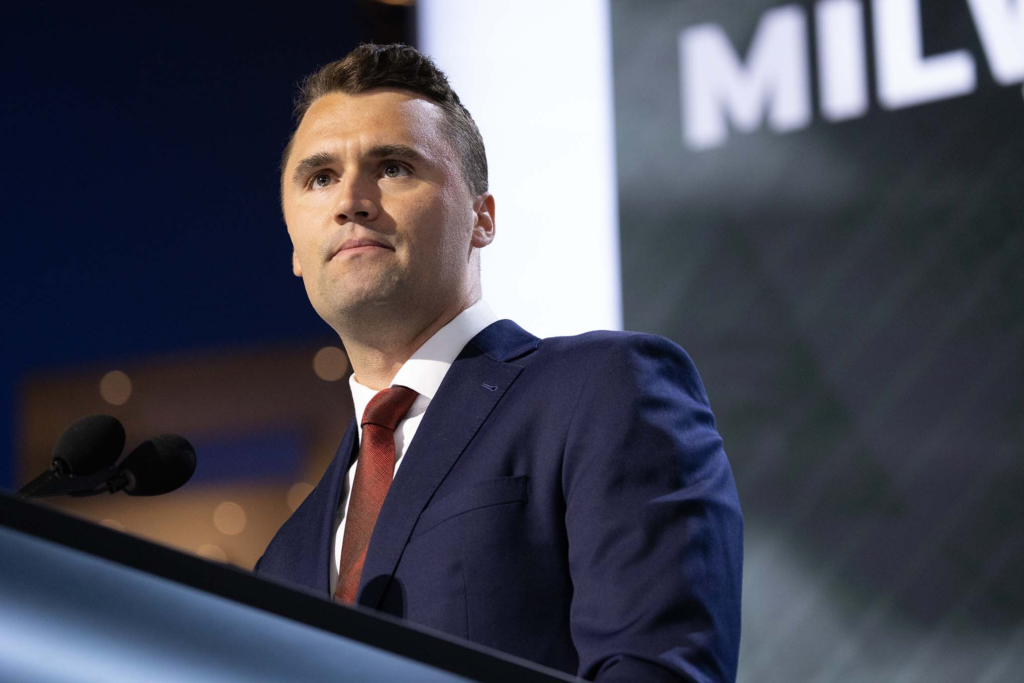
According to the lawsuit, City Manager Chelsea Huisman completed an internal investigation by Sept. 22, 2025, and recommended Furry’s termination. The city issued its final decision on Oct. 24, 2025, ending her employment. Furry alleges that the decision was driven not by operational concerns but by disagreement with her viewpoints about Kirk and gun violence. The complaint states that it was “clearly established law” that such viewpoint-based termination is unconstitutional.
In addition to her First Amendment retaliation claim, Furry alleges unequal treatment based on sex. The lawsuit claims that other Polk City employees, all of whom were men, made numerous political posts on social media, including derogatory remarks about political figures and jokes that violated city policies, yet faced no disciplinary action. This allegation is presented as evidence that the city selectively enforced its social media standards against Furry because of the content of her speech and her identity, rather than applying its rules in a neutral and consistent manner.
The remedies Furry seeks include unspecified monetary damages and injunctive relief. She has asked the court to order her reinstatement to her former position as a firefighter and paramedic. As of the filing of the lawsuit, Polk City had not submitted a formal response, and attempts to reach Huisman and Siepker for comment were unsuccessful.
Broader Political Context and a Wave of Similar Firings in Iowa
Furry’s case does not stand in isolation. In the days following Charlie Kirk’s death, several public employees across Iowa were fired after making comments about the shooting. Among those dismissed were a Creston school teacher, an Oskaloosa school teacher, a state public defender, and an employee of Iowa State University. These terminations occurred amid heightened political scrutiny and public pressure directed at government institutions.
Read : 14-Year-Old Boy Arrested After Fireworks Shot at Firefighters Tackling Bonfire Night Blaze in Huyton
Earlier in 2025, State Rep. Taylor Collins and State Sen. Lynn Evans, both Republicans, signed a letter to the Iowa Board of Regents calling for the immediate firing of employees who, in their view, had “publicly celebrated” Kirk’s death. The letter argued that such expressions were incompatible with public service and undermined trust in public institutions.

Around the same time, Iowa House Speaker Pat Grassley wrote on Facebook that teachers in the state were praising Kirk’s assassination and urged school districts to investigate and reprimand those responsible. He further suggested that if districts failed to act, the Iowa House Government Oversight Committee would intervene to address what he described as hateful conduct.
This broader political environment forms an important backdrop to Furry’s lawsuit. Her complaint suggests that her firing was part of a larger pattern in which public employers, under political pressure, moved swiftly to discipline or terminate employees for speech related to Kirk’s death. Civil liberties advocates have raised concerns that such actions risk chilling free expression among public employees, particularly when the speech occurs outside of work and involves contentious political issues.
At the same time, government employers have argued that they must consider public trust and the potential impact of employee speech on their ability to serve the community. Courts evaluating these disputes often engage in a balancing test, weighing the employee’s interest in speaking freely against the employer’s interest in maintaining effective and impartial public services.
The outcome of Furry’s case will likely depend on how a judge assesses that balance in light of the specific facts, including the nature of her posts, the context in which they were made, and any evidence of actual disruption within Polk City’s emergency services. As the case proceeds, it may provide further clarity on the limits of public employers’ authority to discipline employees for off-duty speech in an era of heightened political polarization and pervasive social media use.
For Polk City and other Iowa municipalities, the lawsuit underscores the legal risks associated with personnel decisions that intersect with constitutional protections. For public employees, it highlights the ongoing uncertainty surrounding how far free speech rights extend when personal expression collides with the expectations of public service.
Galera, a win5bet tá pagando bem! Já fiz uns saques e o dinheiro caiu rapidinho na conta. O suporte deles é top, sempre me respondem com atenção. Recomendo pra quem quer apostar com segurança!