
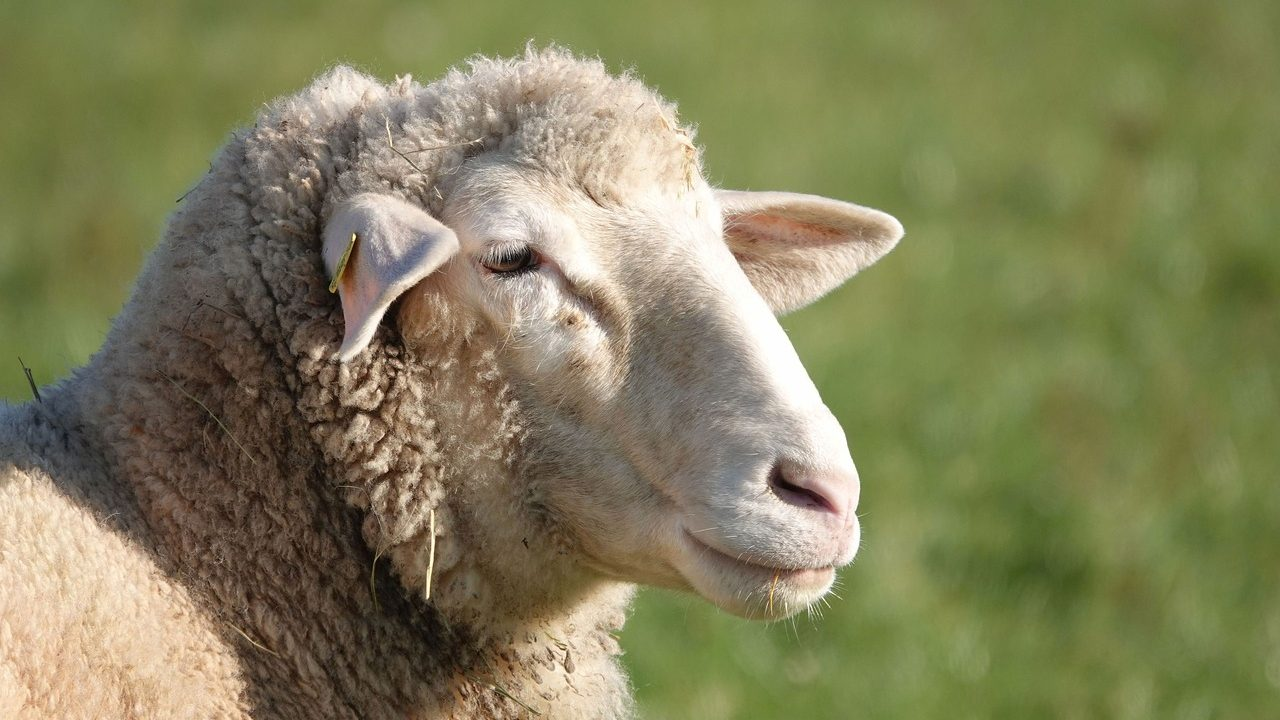
The detection of bird flu in sheep for the first time in the world has raised concerns among experts, but they stress that the risk to the general public and livestock remains low.
The case, found in a single sheep in Yorkshire, England, was identified through routine testing on a site where avian influenza had previously been detected in birds. Authorities have acted swiftly to contain the virus, and strict biosecurity measures have been implemented to prevent its spread.
The Discovery of Bird Flu in Sheep
The H5N1 virus, which has been responsible for multiple outbreaks in birds and mammals, was identified in a single sheep as part of ongoing surveillance efforts in the UK. The infected sheep was quickly culled to prevent further transmission.
The UK’s chief veterinary officer, Christine Middlemiss, emphasized the importance of maintaining high biosecurity standards and urged animal owners to report any signs of infection immediately.
This discovery marks a significant milestone in the study of avian influenza, as sheep were not previously thought to be susceptible to the H5N1 virus.
The virus has been detected in various other mammals, including cats, foxes, otters, bush dogs, and pigs. In the United States, a new variant of H5N1 has become endemic in dairy cows, a development that surprised scientists who had believed cattle were resistant to avian influenza.
Read : Bird Flu Detected in Georgia’s Commercial Poultry Flock in Elbert County
Despite this new case, experts maintain that the risk to sheep populations remains low. No other sheep in the affected flock tested positive for the virus, and there is no indication that it is spreading among sheep more broadly. The rapid response of UK authorities, combined with stringent biosecurity measures, has helped contain the situation.
Potential Risks to Humans and Livestock
While bird flu can cause severe illness and even death in humans, there is currently no evidence to suggest that H5N1 is easily transmissible between people. The US Centers for Disease Control and Prevention (CDC) has stated that human-to-human transmission of the virus has not been observed.
However, the ability of the virus to infect a growing number of mammalian species is being closely monitored by health authorities worldwide. Dr. Meera Chand, the emerging infection lead at the UK Health Security Agency (UKHSA), reassured the public that the risk remains low.
Read : Finland Becomes the First Nation to Offer Bird Flu Vaccines to Humans
She stated that while mammals can be infected with avian influenza, there is no current evidence of widespread transmission to humans. UKHSA is prepared for any potential human cases and has coordinated response plans with the NHS and other partners.

The emergence of H5N1 in new species raises questions about the virus’s ability to adapt and potentially become a greater threat to human health. Scientists have expressed concerns that if the virus were to acquire mutations enabling more efficient human-to-human transmission, it could pose a significant pandemic risk. However, at this stage, there is no indication that such a mutation has occurred.
For livestock owners, the primary concern remains preventing the spread of the virus among animals. Biosecurity measures such as restricting contact between different species, maintaining cleanliness, and reporting suspected cases promptly are crucial in limiting the virus’s impact.
Given that the infected sheep was discovered in a location already affected by avian flu, experts believe the case is likely an isolated incident rather than an indication of a widespread outbreak among sheep.
Food Safety and Public Health Measures
Concerns about food safety have also been raised in light of the discovery of H5N1 in a sheep. However, experts have reassured consumers that bird flu poses an extremely low risk to food safety.
Robin May, the chief scientific adviser at the Food Standards Agency, emphasized that the H5N1 virus is not typically transmitted through food and that consumers should not be concerned about consuming meat or dairy products.

Despite the low risk to public health, health officials remain vigilant. Surveillance efforts are being intensified to detect any potential new cases early, and research into the virus’s behavior in different species is ongoing.
Scientists are particularly interested in understanding how H5N1 infects mammals and whether it could evolve to become a more significant threat to humans.
In response to the detection of the virus in a sheep, the UK government has reinforced the importance of strict monitoring and early reporting. Farmers and veterinarians are urged to remain alert for any unusual signs of illness in animals and to follow recommended biosecurity protocols.
While the emergence of H5N1 in sheep is a notable development, it does not currently indicate a major shift in the virus’s behavior. Experts continue to track the spread of avian influenza globally and are committed to taking necessary measures to prevent any potential public health risks. For now, the primary focus remains on containment, monitoring, and ongoing research to understand the full implications of this case.