

Five members of Iran’s women’s national football team have been granted humanitarian visas in Australia following growing concerns about their safety after a politically sensitive moment during an international tournament. The situation unfolded during the AFC Women’s Asian Cup hosted in Australia, where the Iranian squad attracted global attention after declining to sing the national anthem before a match against South Korea.
The incident quickly sparked debate and criticism inside Iran, with some commentators accusing the players of disloyalty during a period of heightened political tension. As the tournament progressed, fears emerged that the athletes might face repercussions if they returned home, prompting a complex humanitarian response from Australian authorities.
In the days that followed, discussions between officials, security personnel, and the players led to a decision allowing five athletes to remain in Australia under a humanitarian protection program. Their cases highlight the intersection of international sport, politics, and personal safety, while also reflecting broader tensions experienced by athletes representing countries with strict political expectations.
Anthem Protest and Rising Safety Concerns
The events leading to the humanitarian visas began when the Iranian women’s team chose not to sing the national anthem ahead of their Asian Cup match against South Korea. In international sports competitions, the playing of national anthems is a symbolic moment meant to represent national pride and unity. However, in politically sensitive environments, athletes sometimes use the moment to express quiet dissent or personal beliefs. When the Iranian players remained silent during the anthem, observers both inside and outside the stadium immediately recognized the gesture as unusual.
The response within Iran was swift and highly critical. Some conservative commentators publicly condemned the team, accusing the players of betraying their country at a time when national unity was being emphasized by authorities. In certain media circles, calls for punishment emerged, with critics labeling the athletes as traitors. Such reactions raised alarm among supporters and human rights advocates, who feared the players could face disciplinary or legal consequences upon their return.
At the same time, activists and members of the Iranian diaspora living in Australia began raising concerns about the athletes’ safety. Many pointed out that athletes representing Iran abroad often travel with government officials who closely monitor their activities. Reports suggested that the team members were not able to move freely during the tournament and were accompanied by officials throughout their stay. According to individuals familiar with the situation, the players were escorted even within their hotel environment and had limited opportunities to interact privately with outsiders.
These conditions added to growing anxiety among observers who worried that the players might be under pressure. The situation became more complicated after Iran’s subsequent matches during the tournament. In later games, the players did sing the national anthem and performed the expected salute, which some critics interpreted as evidence that officials had intervened to ensure compliance. Supporters in the stadium believed the athletes were acting cautiously under supervision rather than expressing their true feelings.
Read : 139 Hospitalized After Eating Salad Ordered Online in Russia
Within the stands, many Iranian expatriates showed solidarity with the players. Hundreds attended the matches wearing traditional Iranian colors and waving historic versions of the national flag that predate the Islamic Revolution. When the anthem was played, sections of the crowd booed or remained silent, signaling their disagreement with the current political leadership in Iran. The tense atmosphere reflected the broader political divisions within the Iranian diaspora and added another layer of visibility to the players’ situation.
Australia’s Humanitarian Response and the Players’ Escape
As public attention increased, Australian authorities quietly began assessing the situation. Officials recognized that some members of the Iranian team might wish to seek protection if they feared retaliation at home. Australia’s humanitarian visa program allows individuals facing potential persecution or serious harm to remain in the country and rebuild their lives with legal protection. The program grants the right to live, work, and study in Australia, offering long-term stability for those who qualify.
Over several days, discreet discussions took place between officials and individuals connected to the team. Immigration authorities later confirmed that arrangements were made to ensure that players who wished to request protection would have an opportunity to do so safely. Police officers reportedly maintained a presence near the team’s hotel in order to provide assistance if needed.
Read : Australian Tourist Alivia Jane Campbell Hospitalised in Bali After Motorcycle Collision with Truck
The situation reached a turning point when five players decided they wanted to remain in Australia. On Monday, the group quietly left their hotel and were transported by police to a secure location. Their departure occurred quickly, and observers later reported that members of the team’s delegation attempted to locate them after realizing they were missing. By the time officials searched the hotel premises, the players had already been moved to safety.
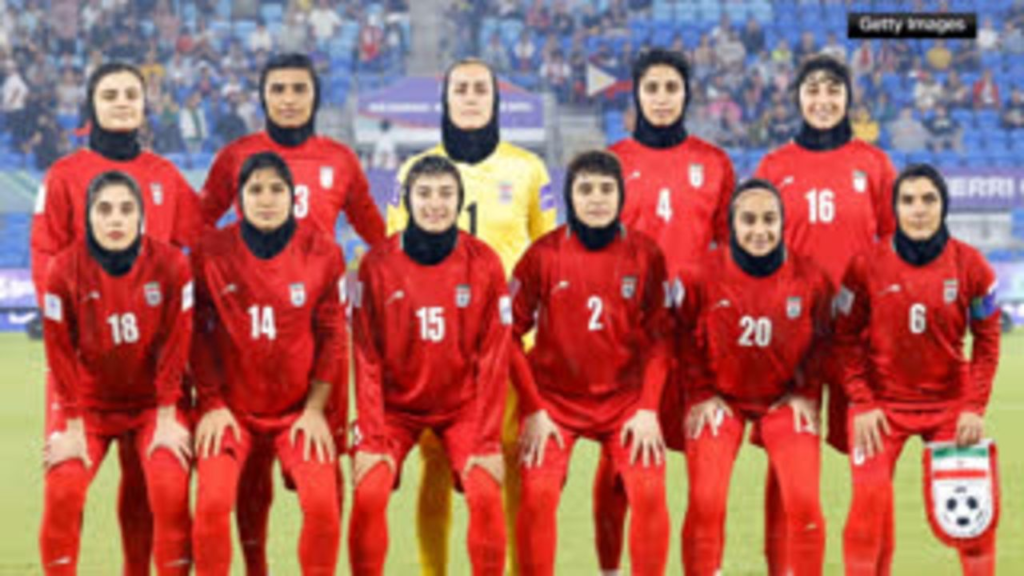
Australian immigration authorities then processed their humanitarian visa applications during the night. According to government statements, the paperwork was finalized in the early hours of Tuesday morning. The five athletes were identified as Fatemeh Pasandideh, Zahra Ghanbari, Zahra Sarbali, Atefeh Ramazanzadeh, and Mona Hamoudi. Officials stated that the players wanted it to be clear they were not attempting to become political activists but were primarily concerned about their personal safety.
The decision marked a significant moment in the tournament’s off-field developments. While most members of the Iranian squad prepared to travel onward to Sydney and eventually return home, these five players entered a different legal and personal path. They will now begin the process of establishing new lives in Australia, supported by the country’s refugee and humanitarian systems.
The episode also demonstrated how international sporting events can unexpectedly transform into humanitarian situations. Athletes often travel with national delegations and under the scrutiny of government officials, which can limit their ability to communicate openly. In such circumstances, host countries may find themselves navigating sensitive diplomatic challenges while ensuring the safety of individuals who request assistance.
International Reactions and the Complex Future for the Team
The case of the Iranian footballers quickly attracted attention beyond Australia. Political leaders, activists, and sports figures around the world began discussing the situation as news spread. Some called for broader protections for athletes representing countries where political expression can carry serious risks. Others focused on the humanitarian dimension, arguing that the players’ choices should be respected regardless of political interpretations.
Among the voices commenting publicly was former Australian national team captain Craig Foster, a long-time advocate for refugee rights. Foster emphasized that it was important for the players to have the option of seeking protection if they felt unsafe. He pointed out that many athletes competing internationally maintain strong ties to families and communities back home, which can make the decision to seek asylum extremely difficult.
For many members of the Iranian squad, family considerations appeared to play a crucial role. Reports suggested that several players were hesitant to remain abroad because their relatives still live in Iran and could potentially face pressure or scrutiny if the athletes defected. In situations involving high-profile athletes, governments sometimes view such actions as politically embarrassing, which can increase the perceived risk for family members.
Read : Canadian Backpacker Piper James Drowned After Dingo Attack on K’gari, Coroner Rules
The reaction among Iranian supporters in Australia also reflected the emotional complexity of the moment. Fans attending the matches showed strong support for the players, cheering enthusiastically and displaying symbols associated with Iranian heritage and identity. At times, these demonstrations carried political undertones, particularly when historic flags were raised inside the stadium despite restrictions.

Despite the vocal support, there was limited direct interaction between the players and the crowd. Observers noted that the team appeared cautious throughout the tournament, leaving the field quickly after matches and avoiding extended engagement with supporters. On one occasion, a player receiving medical treatment near the sidelines blew a kiss toward the stands, prompting a loud and emotional response from fans who interpreted the gesture as a sign of gratitude.
Meanwhile, the team’s manager publicly expressed a desire to return home quickly after the tournament. Her comments suggested that not all members of the delegation shared the same concerns about safety abroad. This divergence of perspectives illustrates the difficult choices faced by athletes who must balance professional obligations, personal beliefs, and family responsibilities.
For the five players who chose to remain in Australia, the coming months will likely involve a period of adjustment. Humanitarian visa holders are permitted to build new lives within the country, but the transition can be challenging. Many refugees experience emotional strain while adapting to a new culture, language, and social environment, particularly when separation from family members becomes prolonged.
Their situation also underscores the broader relationship between sport and political expression. Athletes often become public figures whose actions are interpreted through political lenses, even when their intentions are personal rather than ideological. In the case of the Iranian footballers, a silent moment during a national anthem evolved into an international story involving diplomacy, asylum policy, and the global sports community.
The events surrounding the Iranian women’s team illustrate how sporting arenas can become spaces where broader social and political tensions play out in unexpected ways. While the tournament itself continued as scheduled, the experiences of these players highlighted the human realities behind international competition and the difficult decisions that sometimes emerge far from the field of play.