

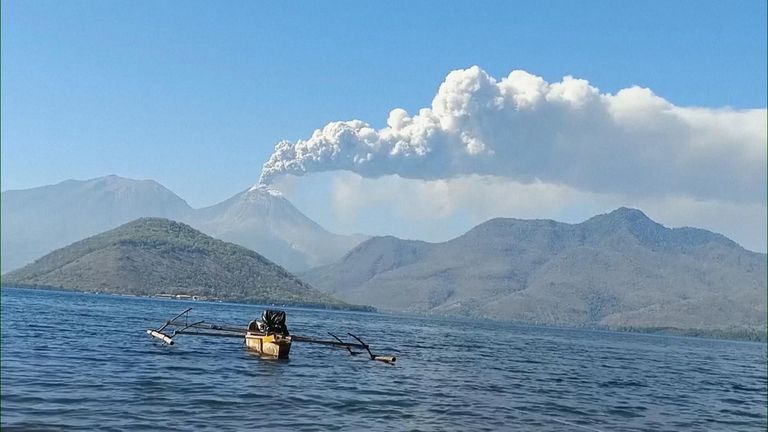
The Lewotobi Laki Laki Volcano Eruption in Indonesia has sent massive ash clouds into the sky, disrupting flights, injuring residents, and raising concerns about further volcanic activity. The eruption, which occurred on Friday, led authorities to increase the alert level to its highest status and expand the danger zone around the volcano.
As a result, several international and domestic flights to and from Bali were delayed or canceled, highlighting the widespread impact of the disaster. The sudden escalation of volcanic activity has left local communities in distress, while airlines scramble to manage travel disruptions.
The Eruption and Its Immediate Impact
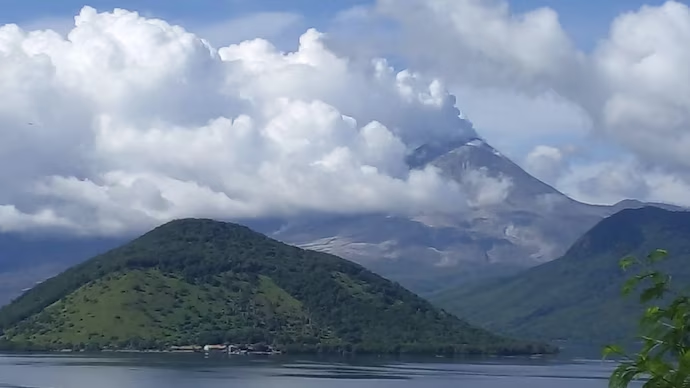
Mount Lewotobi Laki Laki, situated on the remote island of Flores in East Nusa Tenggara province, erupted three times, spewing ash 8,000 meters (26,000 feet) into the sky. The volcano had already shown signs of increased activity in the days leading up to the eruption, with hundreds of earthquakes and visible volcanic activity recorded.
The explosions were so powerful that they were heard in cities like Larantuka and Maumere, located between 50 to 85 kilometers away from the volcano.
Monitoring stations across Flores Island recorded the eruption, confirming its intensity. Thick, gray smoke continued to rise from the crater even after the major eruptions, while glowing volcanic material was visible at the peak, indicating magma at shallow depths.
Read : High Alert for Massive Mount Adams Eruption as Volcano Gets Rattled by Earthquakes
The eruption also caused widespread damage to surrounding areas. Ash covered streets and plantations, making it difficult for residents to move freely. Many villagers attempted to clear the roads using shovels and hoes. However, some residents suffered injuries due to the hot dust and falling debris.
Mount Lewotobi Laki-laki on the island of Flores in Indonesia continues to erupt, that has caused dozens of flight cancellations to and from Bali Ngurah Rai International Airport, which is around 500 kilometers away.
— FL360aero (@fl360aero) November 13, 2024
🎥(Volcano eruption) Balto Antasen#volcano #airport #flight pic.twitter.com/7xWpSmruN8
A resident from Nurabelen village, Maria Magdalena, reported that people working in the fields were caught off guard by the eruption and suffered burns and injuries while trying to escape. The threat of heavy rainfall triggering dangerous lava flows in nearby rivers has added to concerns about the situation worsening in the coming days.
Flight Cancellations and Disruptions
The eruption’s impact was felt beyond the immediate vicinity of the volcano, as several airlines canceled flights between Australia and Bali, a popular tourist destination. Volcanic ash can pose a significant risk to aircraft, as it can damage engines and affect visibility.
As a precautionary measure, airlines opted to delay or cancel flights, leading to frustration among travelers. International and domestic flights to Bali experienced delays, and airlines advised passengers to check for updates before heading to the airport.
The disruption in flights has created challenges for tourism, as Bali is one of Indonesia’s most visited locations, attracting millions of travelers annually. While authorities are monitoring the situation, it remains uncertain when flight schedules will return to normal. Some travelers have been stranded at airports, while others have had to make alternative arrangements.
Indonesia’s geology agency has warned residents and travelers to remain vigilant, especially given the possibility of further eruptions. Airports and airlines continue to assess the situation, balancing safety concerns with the need to minimize travel disruptions.
Given Indonesia’s geographical location along the Ring of Fire, volcanic activity is not uncommon, and flight disruptions caused by eruptions have occurred in the past. The authorities are working closely with aviation officials to determine the safest course of action for resuming flights.
The Ongoing Volcanic Threat and Response Efforts
Authorities have raised the eruption alert to the highest level, signaling the potential for further activity. The initial danger zone was expanded from 7 kilometers to 8 kilometers from the crater. Although no new evacuations have been ordered yet, residents are on high alert, awaiting further instructions from the government.
For now, residents in nearby villages are bracing for additional eruptions while trying to recover from the immediate aftermath of the explosion.
The memory of a deadly eruption in November, which killed nine people and injured dozens, remains fresh in the minds of locals. Authorities are urging people to take precautions, especially those living near rivers, as heavy rain could trigger dangerous mudflows.
The Indonesian government, along with local disaster management agencies, is monitoring the volcano closely. Emergency response teams are on standby, and shelters have been prepared in case evacuations become necessary. Scientists and geologists continue to track seismic activity, hoping to provide timely warnings if the situation worsens.
The eruption of Mount Lewotobi Laki Laki has once again highlighted the volatility of Indonesia’s volcanic landscape. With 120 active volcanoes spread across the archipelago, the country frequently experiences eruptions that impact communities and infrastructure. The latest event serves as a reminder of the delicate balance between nature and human activity in the region.
As flights remain disrupted and residents remain on edge, the coming days will be critical in determining whether the eruption subsides or intensifies. While Indonesia has extensive experience dealing with volcanic disasters, each eruption presents unique challenges that require careful management.
Authorities are urging caution, and travelers are advised to stay updated on developments to ensure their safety. The impact of the eruption will likely be felt for weeks, if not months, as communities and the tourism industry work to recover from this latest natural disaster.