
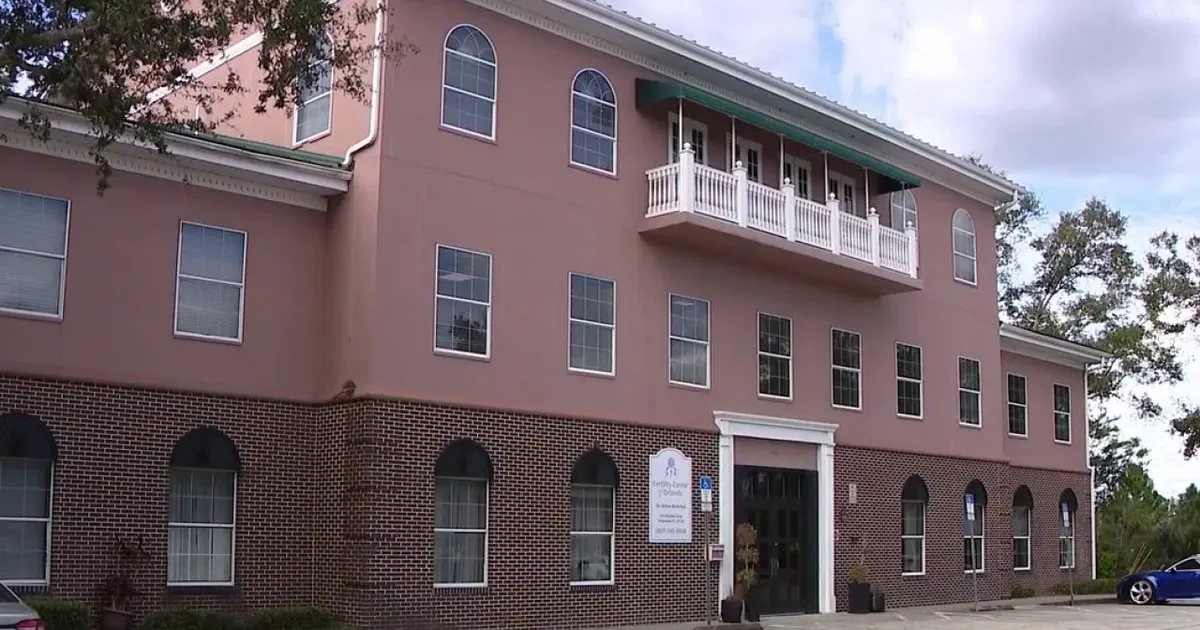
A Florida couple has filed a lawsuit against an IVF clinic after discovering that the baby they conceived through fertility treatment and carried to full term has no genetic relationship to either of them. The case, filed against the Fertility Center of Orlando, has raised serious questions about embryo handling, clinical accountability, and the legal and emotional complexities that arise when assisted reproductive technology goes wrong.
According to the lawsuit, the woman underwent embryo implantation believing it contained DNA from both her and her partner, only to later learn through genetic testing that the child she gave birth to was genetically unrelated to them. The situation has placed the couple in an unprecedented position, balancing deep emotional bonds with legal and ethical uncertainty, while seeking answers about the fate of their own embryos.
How the Alleged IVF Error Was Discovered
According to court filings, the anonymous couple, identified as John and Jane Doe, began fertility treatment at the Fertility Center of Orlando in March 2025. As part of the process, embryos were created using the couple’s genetic material and were placed under the custody and control of the clinic. The lawsuit states that one embryo was later implanted into Jane Doe, who subsequently experienced a successful full-term pregnancy.
In early December, she gave birth to a healthy baby girl, referred to in legal documents as Baby Doe. While the pregnancy and delivery were medically uneventful, the couple alleges that they immediately noticed something unusual after the birth. Both parents are described in the lawsuit as racially Caucasian, yet the newborn displayed physical characteristics that suggested she was of a different racial background.
This apparent discrepancy prompted the couple to seek genetic testing to confirm parentage. The results, according to the lawsuit, were definitive. The testing showed that Baby Doe had no genetic relationship to either Jane Doe or John Doe. The findings suggested that the embryo implanted during the IVF procedure did not contain the couple’s DNA and likely belonged to another patient or patients of the clinic.
Read : World’s First Kangaroo Embryos Created via IVF by Researchers of University of Queensland
The lawsuit describes the revelation as deeply distressing and shocking. What had initially appeared to be a successful fertility treatment instead turned into a situation involving potential embryo misidentification or mishandling. The couple alleges that the error occurred while the embryos were under the clinic’s exclusive control, making the facility responsible for ensuring accurate labeling, storage, and implantation.
Read : Alaska’s Top-Heavy Glaciers Are Melting, Approaching an Irreversible Tipping Point
Beyond the immediate impact on the couple, the discovery raised broader concerns. If the wrong embryo was implanted in Jane Doe, it also implies that one or more of the couple’s own embryos may have been implanted into another patient, or otherwise mishandled. This possibility, the lawsuit claims, has caused ongoing mental anguish, as the couple is left wondering whether their biological child or children may be living with another family.
Emotional Bond, Legal Uncertainty, and Ethical Dilemmas
Despite learning that Baby Doe is not genetically related to them, the couple emphasizes in the lawsuit that they have formed an intensely strong emotional bond with the child. Jane Doe carried the baby throughout pregnancy, gave birth to her, and together the couple began parenting the child from birth. The filing describes Baby Doe as a “beautiful, healthy female child,” underscoring that their attachment is based on lived experience rather than genetic ties.
At the same time, the couple acknowledges the complex ethical and legal issues involved. While they state that they would be willing to continue caring for the child, they also recognize what they describe as a moral and legal obligation to reunite the baby with her genetic parents, provided those parents are fit, willing, and able to assume custody. This acknowledgment reflects the legal reality that genetic parentage can play a central role in determining parental rights, particularly in cases involving assisted reproduction errors.

The lawsuit also highlights the emotional toll of uncertainty. The couple is not only grappling with the possibility of losing the child they have bonded with, but also with the fear that their own biological child or children may be unknowingly raised by someone else. According to the filing, this lack of information has caused increasing mental anguish, as they remain in the dark about the fate and disposition of their embryos.
The situation places all parties in a legally precarious position. If the genetic parents of Baby Doe come forward, complex custody questions could arise, involving family courts, genetic evidence, and the best interests of the child. At the same time, those genetic parents may themselves be unaware that their embryo was implanted into another woman and resulted in a live birth.
Cases involving embryo mix-ups are rare but not unprecedented, and they often lead to prolonged legal disputes. Such cases typically involve competing claims based on genetics, gestation, and intent to parent, each of which carries different legal weight depending on jurisdiction. In Florida, as in many states, the law surrounding assisted reproductive technology continues to evolve, particularly as courts confront scenarios that existing statutes did not anticipate.
Demands for Disclosure, Testing, and Accountability
In their lawsuit, the couple is seeking emergency relief from the court to address what they describe as a systemic failure by the fertility clinic. One of their primary demands is that the Fertility Center of Orlando be compelled to notify all potentially affected patients about the alleged error. The goal, according to the filing, is to allow other families to determine whether Baby Doe may be genetically related to them, or whether they may have received embryos that did not belong to them.
Read : IVF Born Cow Hilda Can Help Save Environment by Farting Less
The lawsuit further demands that the clinic pay for comprehensive genetic testing for all relevant patients and their children over the past five years during which the clinic had custody of the couple’s embryos. This request reflects concerns that the alleged mistake may not be an isolated incident and that other families could have been affected without their knowledge.
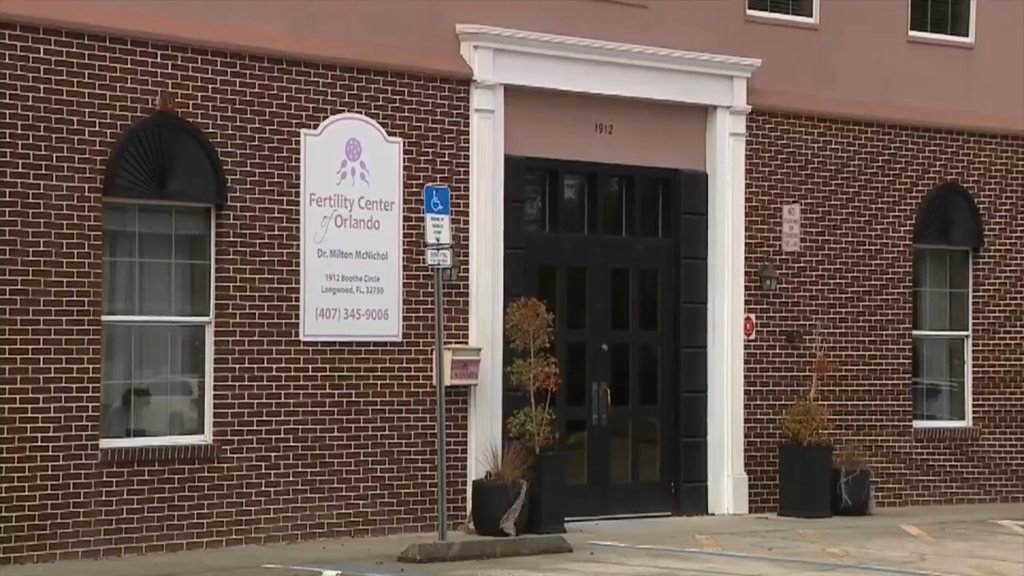
Additionally, the couple is asking the court to require the clinic to disclose any discrepancies in parentage for children born as a result of embryo implantation over the same five-year period. Such disclosure, they argue, is essential for transparency, accountability, and the protection of patients’ rights.
According to media reports cited in the lawsuit, the couple previously asked the clinic to assist in identifying the baby’s biological family but did not receive a response. This alleged lack of cooperation has been cited as one of the reasons they are seeking court intervention. The Independent and other media outlets have reported that requests for comment have been sent to both the clinic and the couple’s attorneys, with no immediate responses publicly available at the time of reporting.
The case also raises broader questions about regulation and oversight in the fertility industry. IVF clinics are entrusted with highly sensitive genetic material, and patients rely on strict protocols to prevent errors. Allegations of embryo mix-ups, even if rare, can undermine public trust and prompt calls for stricter standards, auditing requirements, and legal safeguards.
As the lawsuit proceeds, it is likely to draw national attention, not only because of its emotional dimensions but also because of its implications for assisted reproductive technology practices. Courts may be asked to weigh the rights of genetic parents against those of gestational and intended parents, while also considering the best interests of the child at the center of the dispute.
For now, the case remains unresolved. The couple continues to care for Baby Doe while seeking clarity, accountability, and legal guidance through the courts. The outcome may shape how similar cases are handled in the future, influencing both legal precedent and clinical practices within the rapidly evolving field of reproductive medicine.