
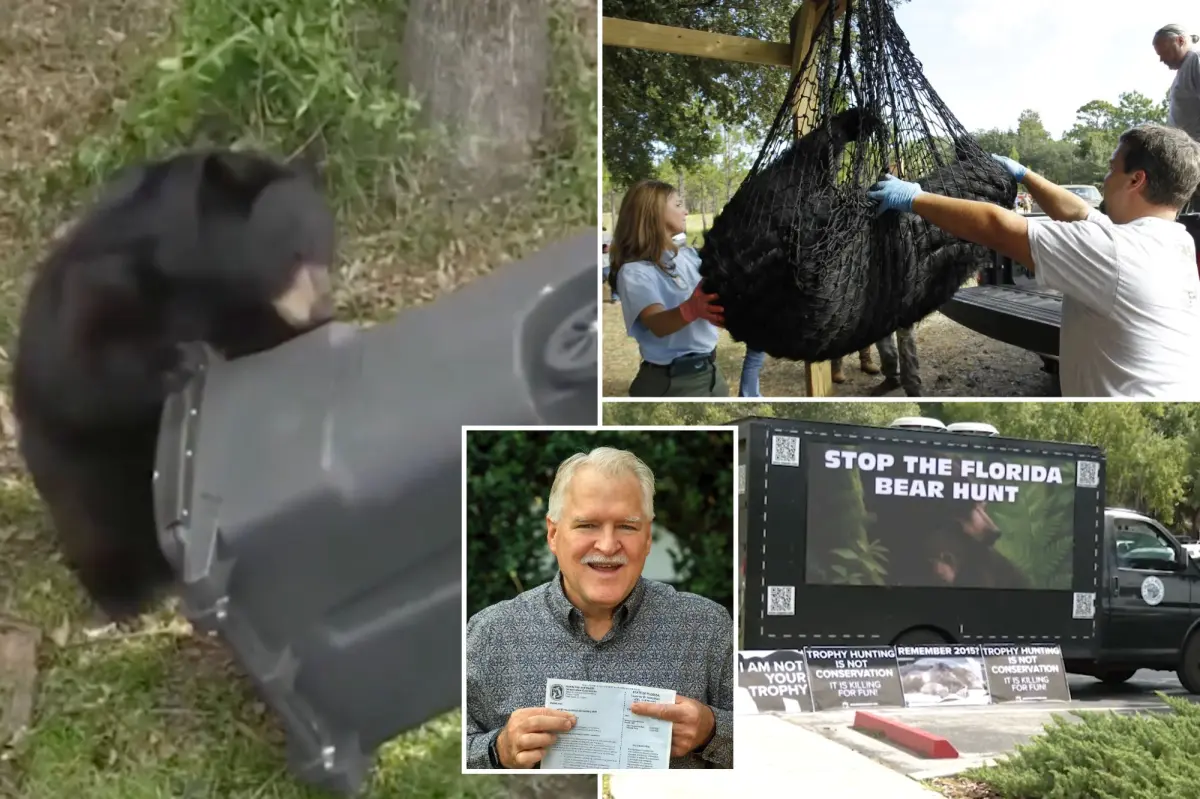
Florida’s first legal black bear hunt in ten years has reopened a deeply divisive debate about wildlife management, conservation ethics and human encroachment on natural habitats. The 2025 season, which runs from December 6 to December 28, has drawn extraordinary public attention, both for the overwhelming demand for permits and the equally strong resistance from activists and conservation groups.
With more than 160,000 applications filed for only 172 hunting permits, interest in the hunt has surged far beyond previous expectations. Yet many of those who secured permits intend never to use them, choosing instead to block bear kills by occupying the limited slots. As hunters prepare to enter the state’s swamps, flatwoods and forests in search of black bears, Florida’s long-simmering arguments over conservation, safety and ethical wildlife policy have once again risen to the surface.
The Florida Fish and Wildlife Conservation Commission (FWC) justified reinstating the hunt by pointing to the remarkable rebound of the state’s black bear population. From a few hundred individuals in the 1970s, the population has grown to an estimated 4,000 today, a recovery considered one of the state’s significant conservation successes.
Still, opponents argue that the resurgence of the species should be celebrated and protected, not leveraged as grounds for trophy hunting. They contend that the real issue lies not with bear numbers but with expanding human development pushing deeper into bear habitat. The conflicting views have formed the basis of a contentious statewide conversation, one that intensified once the season officially began.
Growing Bear Populations and the State’s Push for Regulated Hunting
Florida wildlife officials have consistently framed the return of bear hunting as a management tool designed to ensure the long-term health of black bear populations. According to state biologists, the most significant bear subpopulations in Florida continue to grow steadily and could eventually stress the available habitat if left unchecked. The state’s bear hunting guide argues that while suitable habitat can support current numbers, further increases may create future challenges, potentially leading to more frequent human–bear encounters.
For supporters of the hunt, these factors justify periodic, strictly regulated harvesting. The 2025 hunt has been structured differently from the one held in 2015, with lessons learned from the controversial events of that year. A decade ago, Florida issued more than 3,700 permits without a lottery system, allowing anyone who paid the fee to participate. The result was a chaotic and heavily criticized hunt that ended early when more bears were killed in just two days than anticipated.
Although hunters did not exceed the statewide quota, the killing of 304 bears—among them at least 38 females with dependent cubs—sparked widespread public outrage. Many believed the management of the hunt had been careless, prompting immediate calls for reform. In contrast, the 2025 hunt operates under a sharply reduced number of permits and a tighter regulatory framework. Hunters may only take one bear each, and permits are bound to one of four specific bear management units across the state.
Read : Bear Attacks Keeper at Hangzhou Safari Park During Show: Watch
Each zone has a predetermined quota based on regional population assessments. The state also implemented new reporting requirements and stricter harvest protocols to avoid the missteps that marked the previous hunt. Hunters must hold a valid Florida hunting license, a bear harvest permit and comply with mandatory check-in procedures for any bear taken.
SOUND OFF: Florida’s black bear hunt is underway for the first time since 2015. Hunters vs. advocates are clashing over whether it should happen at all. Do you support or oppose a Florida black bear hunt?https://t.co/1qx8wnBNHO pic.twitter.com/VVfBKiQZNg
— ABC7 Sarasota (@mysuncoast) December 8, 2025
Supporters, including Mark Barton of the Florida chapter of Backcountry Hunters and Anglers, argue that an annual hunt could provide consistent funding for bear conservation programs. Permit fees, which include a $5 application charge and harvest fees of $100 for residents or $300 for nonresidents, contribute to the state’s wildlife management budget. They assert that hunters, through both financial support and stewardship practices, play a necessary role in sustaining bear populations in Florida’s increasingly fragmented ecosystems.
For many hunters and land managers, such as Doug Moore, who oversees more than 6,000 acres of timberland in northeast Florida, this year’s approach reflects a more responsible balance between public interest and wildlife management needs. While Moore was not issued a permit, he expressed confidence that the new regulations are an improvement over previous years. In his view, the management of the 2015 hunt was deeply flawed, but the current framework demonstrates careful planning and stronger safeguards for bear populations.
Intensifying Activism and the Strategy to Buy Permits as a Form of Protest
The renewed hunt has mobilized conservation groups across the state, many of whom remain vehemently opposed to any form of bear harvesting. Organizations such as the Florida chapter of the Sierra Club have voiced concerns that hunting will do little to reduce human–bear conflicts and may instead disrupt the careful population dynamics that allowed the species to rebound in the first place. Activists argue that the true issue behind most bear encounters stems from human behaviors—particularly unsecured garbage and the rapid development of bear habitat—not from an overpopulation of bears.
Opposition groups warned that the hunt would be unnecessary, cruel and a step backward for conservation. Many also fought to halt the hunt through the courts, but ultimately failed to convince a judge to block the state-sanctioned season. Undeterred, activists launched a creative tactic: applying for bear permits en masse with the intention of never using them. Their goal was simple—to occupy as many of the limited permits as possible, reducing the number available to hunters who intend to kill a bear.
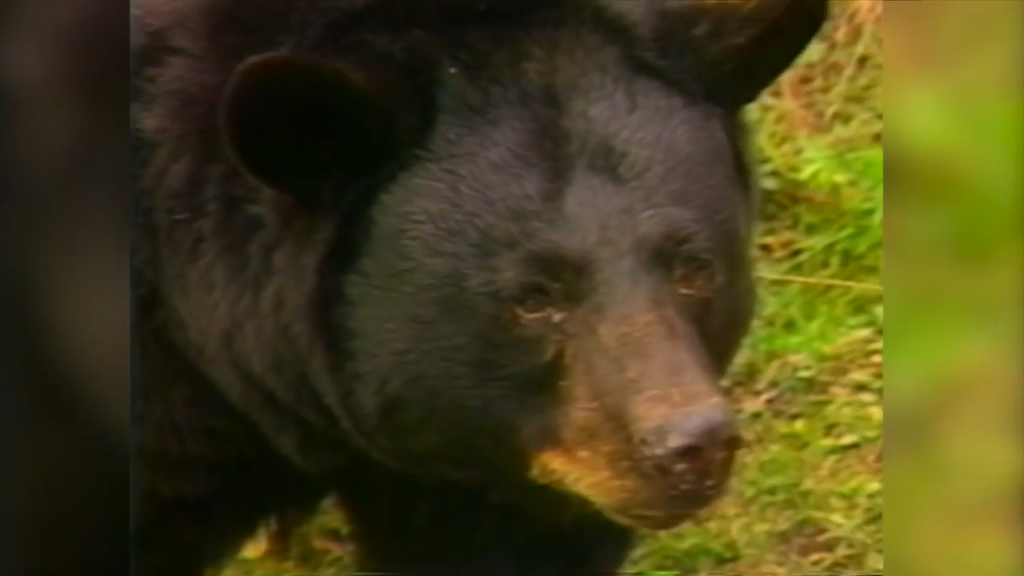
The strategy proved unexpectedly effective. Of the 172 permits awarded through the lottery system, at least 43 went to opponents of the hunt. For individuals like Joel Cleveland, receiving a permit became a symbolic act of defiance and a method to protect at least one bear from being killed. Cleveland expressed pride in the approach, remarking that somewhere in the Florida Panhandle, a bear may survive the season because he holds a permit he will never use.
This tactic divided public opinion. Critics of the activists’ approach argue that intentionally wasting state-issued permits undermines the purpose of regulated hunting and deprives legitimate hunters of an opportunity for legal harvest. Supporters counter that the strategy is a peaceful form of political protest, one that operates fully within the bounds of the law while making a powerful statement about conservation ethics. Regardless of perspective, the approach underscores the intensity of public sentiment surrounding the bear hunt and the broader issues at play in Florida’s wildlife policy.
Debates Over Human–Bear Conflict, Habitat Loss and Long-Term Conservation Policy
One of the central points of contention in Florida’s bear hunt debate revolves around human–bear interactions. As development expands into forested areas, encounters between residents and wildlife have increased. Local officials have reported bears rummaging through garbage cans, wandering onto porches and roaming near playgrounds. Supporters of the hunt argue that controlled bear harvesting can reduce these encounters by limiting population growth in areas where human and bear territories overlap.
Read : ‘FoodWithBearHands’ Influencer Michael Duarte Shot Dead by Texas Sheriff’s Deputy
Yet critics maintain that hunting does little to address the root causes of conflict. Data from various states suggest that nuisance behavior is more closely tied to accessible food sources—particularly unsecured household waste—than to overall population numbers. Opponents regularly point to the need for stricter waste management regulations, wildlife-proof trash containers and educational campaigns aimed at reducing attractants in residential areas.
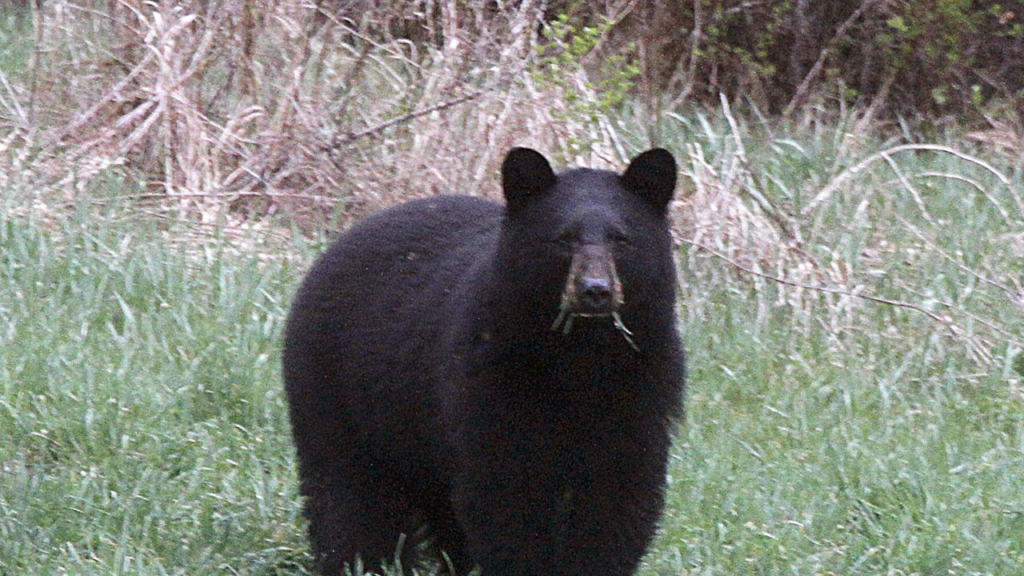
Activists fear that hunting may disrupt bear family structures, create orphaned cubs and inject unnecessary stress into populations that have only recently stabilized. They also caution that once hunting resumes, it may become normalized and expanded in ways that could eventually threaten the conservation gains achieved over decades. Many see the 2025 hunt as a symbolic turning point, one that represents a shift away from non-lethal management strategies and toward a more utilitarian view of wildlife.
Meanwhile, the state’s wildlife commission maintains that the hunt is part of a balanced, science-driven approach to species management. Officials acknowledge the need for improved trash management and expanded public education but insist that hunting can coexist with these strategies. They argue that hunting is an internationally recognized tool for managing wildlife populations and that revenue from the hunt directly supports conservation work.
The debate has left many Floridians torn between competing priorities: maintaining the state’s conservation successes, ensuring public safety, respecting the interests of hunters and wildlife enthusiasts, and addressing the ethical considerations surrounding the killing of a recovering species. The 2025 hunt, extending across four designated zones with tightly monitored quotas, reflects the state’s attempt to navigate these conflicting pressures.
As the season continues, the long-term implications remain unclear. Whether the hunt will become an annual event or be adjusted, reduced or expanded in the future will depend on the outcomes of this year’s tightly controlled season, the data collected by wildlife biologists and the ongoing public discourse.
What is clear is that Florida’s black bear hunt has resurfaced longstanding tensions about wildlife management and the future of conservation in a state where human development continues to reshape natural landscapes. The debate is far from settled, and the state’s approach to black bear conservation will continue to be shaped by the intersection of science, public sentiment and policy decisions in the years to come.